Master Killed in Black Sea Drone Attack as Turkey Circulates Truce Text
Ankara has put a draft memorandum to Moscow and Kyiv while Lavrov calls such a ban unmonitorable
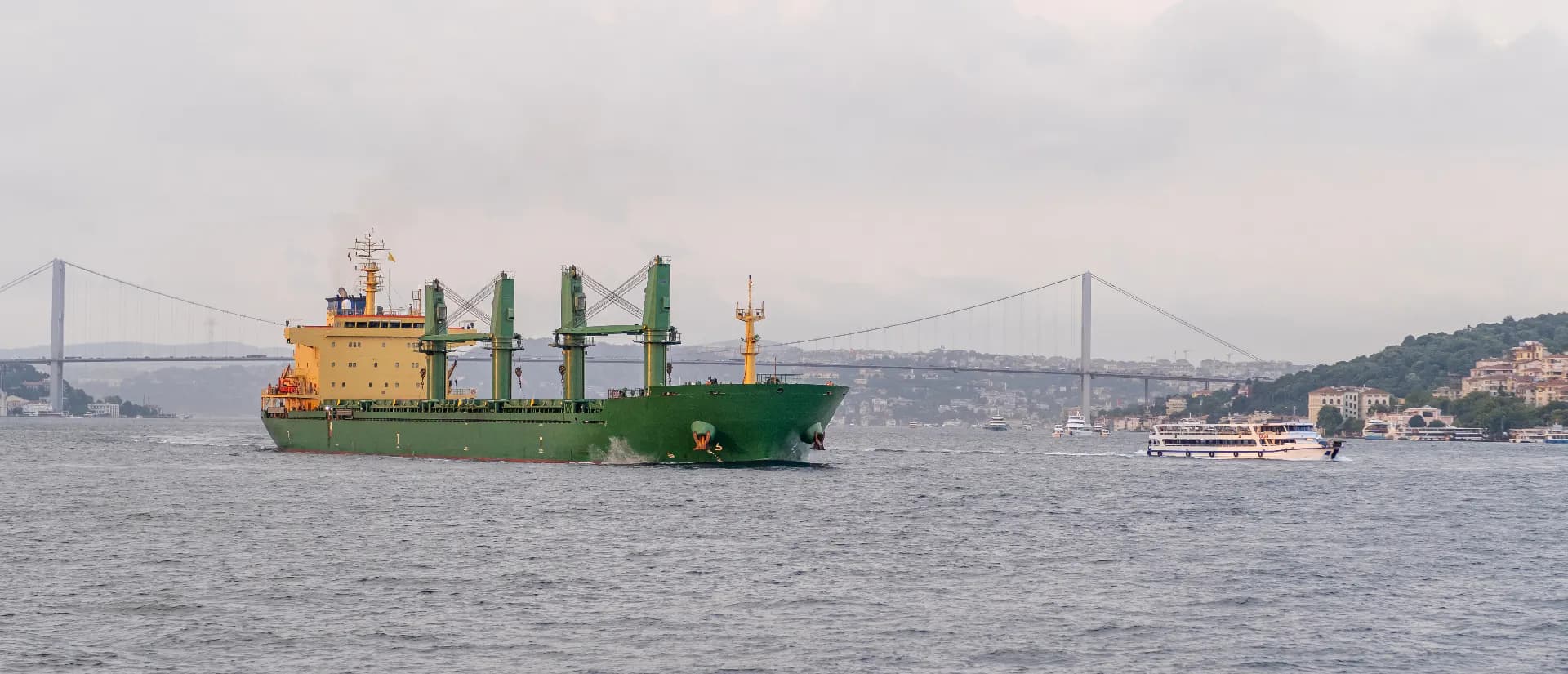
A drone struck a Tanzanian-flagged cargo ship bound for a Ukrainian port overnight on Wednesday, killing the master and injuring at least three crew. Ukraine's infrastructure ministry, which reported the casualty, attributed the strike to Russia. The drone damaged the vessel's deck and superstructure. The ship has not been named and the port she was heading for has not been disclosed.
The damage pattern is the pattern of the war at sea in the Black Sea. Operators on both sides aim at bridge structures, because wheelhouse windows give way to blast and penetration, a hit there is likely to disable the ship, and the people who navigate her are all in one room. That makes the master and the bridge team the most exposed crew on board, and it is why the casualty lists from these strikes run to deaths and serious injuries rather than to damage surveys.
Turkey put a draft memorandum to Russia and Ukraine this week aimed at stopping attacks on commercial vessels in the Black Sea. Ankara shared the text with both Moscow and Kyiv. It is a narrower instrument than the grain corridor Turkey brokered in 2022: rather than guaranteeing a route, it seeks an undertaking from each side not to strike ships carrying civilian cargo.
Russian foreign minister Sergei Lavrov has already set out the objection. A mutual ban on attacking ships carrying civilian cargoes, he said, would be impossible to monitor. That is the structural problem with the proposal. A corridor can be verified by position; a cargo declaration cannot be verified from a drone operator's screen, and both sides accuse the other of moving military supplies in merchant hulls.
The shipowners are not waiting for a diplomatic outcome. The owner of the Turkish-flagged bulker Reyhan Sari, along with surviving crew and the family of the seafarer killed aboard her, has filed a complaint with the International Criminal Court seeking an investigation. The 36,075 dwt vessel was attacked near Novorossiysk in July while loading coal for Turkey; one crew member died and several were injured.
That case matters commercially as much as legally. War-risk underwriters price Black Sea calls on the assumption that a merchant ship is not a target. Every strike that kills a master rather than damaging a hatch cover moves the risk from the hull account to the crew, and crewing agencies in the supplying nations respond to that faster than insurers do.
IMO Secretary-General Arsenio Dominguez addressed the pattern across the conflict zones this week, calling on member states to "address the root causes and find solutions" and adding a plainer request: "Do not use these conflicts to attack innocent seafarers." Neither the Black Sea nor the Middle East has produced a mechanism that gives that request any force. The organisation's position on the strikes is set out in its statement on attacks in the Black Sea and Sea of Azov.
Ukrainian president Volodymyr Zelensky, in remarks on the same day, said there had "been good results in the Black Sea" and that Russia must choose peace. Ukraine has been running its own campaign against Russian port infrastructure and against the shadow-fleet tankers lifting sanctioned crude, which is the reason a bilateral undertaking, rather than a one-sided guarantee, is the only text with a chance of being signed.
This story is part of the Maritime Briefing of 20 September 2026.
Ships in this story