Tug Selat Storm and tanker Largo Atom hit as Hormuz attacks spread deeper into the Gulf
Qatar's LNG carrier Al Mayeda was struck after her crossing had been cleared with Iran, and Oman took 25 crew off Riti
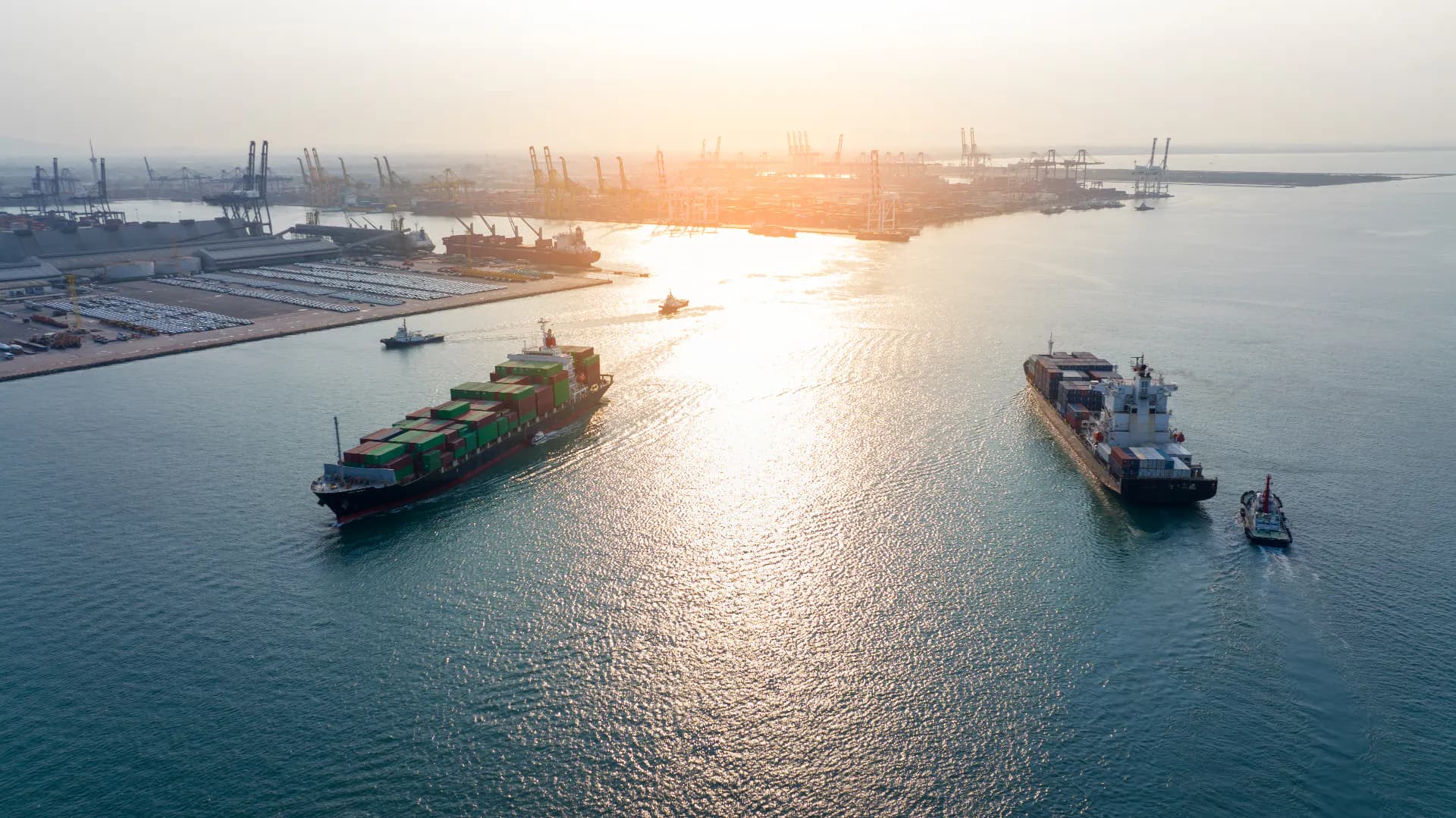
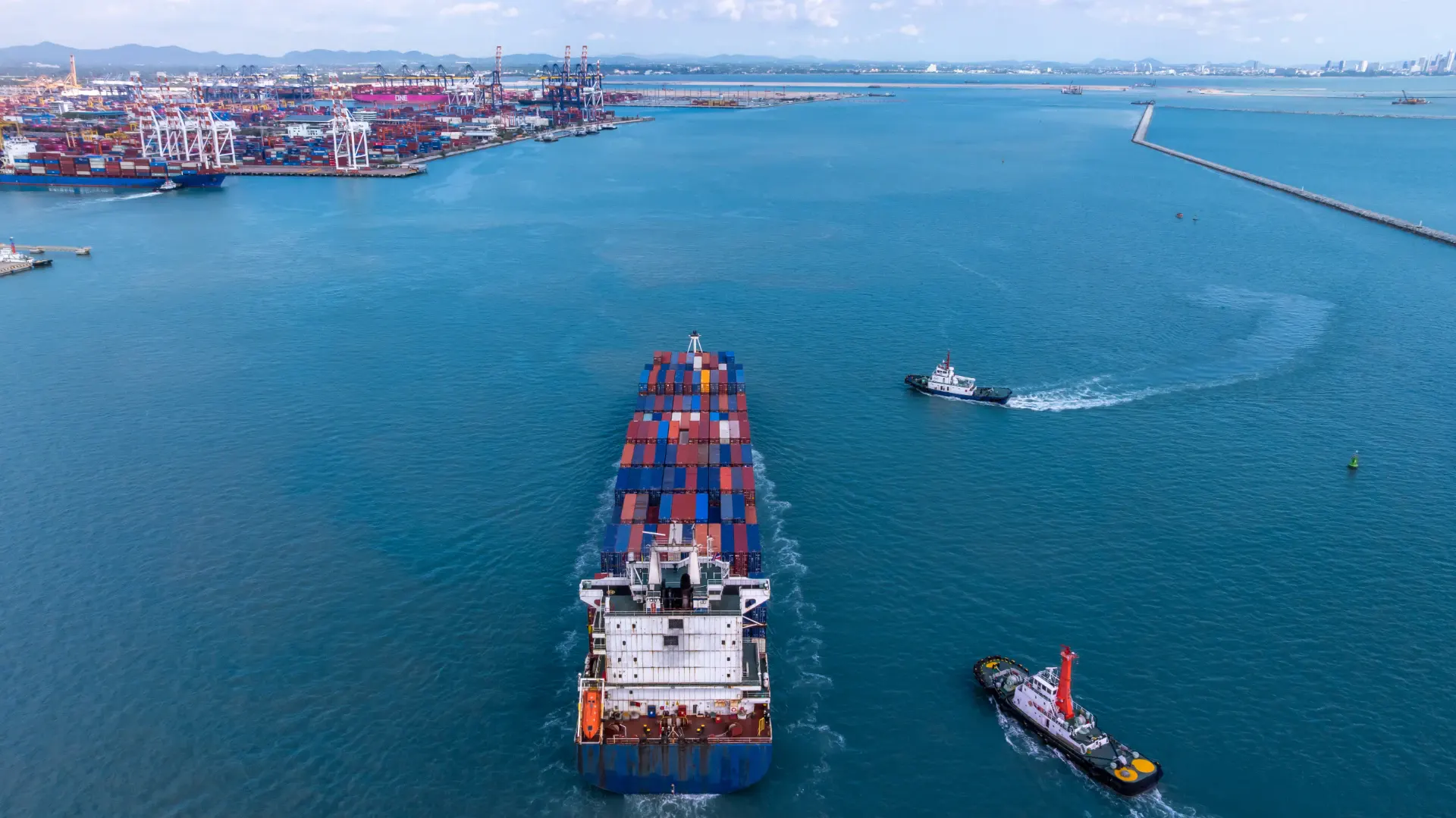
The offshore tug Selat Storm was hit by a projectile in the Strait of Hormuz just after 15:00 UTC on 1 November, north-west of the Musandam Peninsula, and was reported to be partially sinking. The master of a passing ship picked up her mayday on VHF channel 16 and relayed it to the authorities, and UK Maritime Trade Operations issued Warning 191-26. The condition of her crew has not been reported. The UAE-owned tug of about 1,300 dwt had just left Al Hamriyah in the UAE, where she had been alongside for weeks.
At 23:47 UTC the same day a tanker sailing south-east through the Arabian Gulf was struck on her port side by two projectiles about 72 nautical miles east of Ras Al Khafji, Saudi Arabia. All crew were accounted for and no pollution was reported. Maritime security consultancy Vanguard Tech has identified her as Largo Atom and reports that she was hit by two drones and lost all power. She is the second tug struck in the strait since 18 October, when a projectile hit the Dutch-flagged JIF Barracuda.
Which other ships were hit?
The Qatari LNG carrier Al Mayeda was struck by unidentified objects on the evening of 30 October about 40 nautical miles south of Iran's Lavan Island, starting a fire on board. She was carrying a cargo for customers in Pakistan, and her crossing had been cleared with Iranian officials hours before the attack. Operator Nakilat said the ship was in "safe condition, operational" and that nobody was hurt; she turned back and left the area. Qatar condemned the attack. GCC Secretary General Jasem Mohamed Albudaiwi called it a "dangerous escalation that undermines the security of the region".
The Royal Navy of Oman evacuated 25 crew from the Panama-flagged tanker Riti after she was hit by a projectile on 29 October while sailing outbound near Khasab; the strike caused a fire and loss of propulsion. The same day a small boat attached two explosive devices to the hull of Louise 1 about 25 nautical miles north-east of Khasab, causing an engine-room fire; her crew was safe and she later continued her voyage. The VLCC Arzanah was struck outbound on 28 October without injury to her crew, and the product tanker Stone was intercepted by the IRGC Navy and allowed to reverse course undamaged.
What is Iran saying?
The Islamic Revolutionary Guard Corps said on 30 October that two tankers trying to leave by what it calls an unauthorised southern route, closer to Oman's coast, had "encountered incidents" and been halted, and later that a supertanker carrying two million barrels had stopped after "striking a naval mine". It claimed the ships had switched off their navigation and positioning systems. None of the ships was named and the claims have not been verified. CENTCOM commander Brad Cooper said US forces had cleared the strait's internationally recognised primary transit routes of Iranian mines.
Iran's Persian Gulf Strait Authority has also said it will take legal action from 1 November against all ships of South Korea's Sinokor, whose tankers carried about 40% of the crude leaving Hormuz last month.
The Joint Maritime Information Center keeps its threat level for the strait at severe and counted 18 confirmed attacks there between 6 October and 1 November, before the two latest incidents. It recorded 119 US-facilitated transits from 29 to 31 October, while about 490 ships were waiting outside the strait on 1 November.
This story is part of the Maritime Briefing of 3 November 2026.
Ships in this story