TAIC links fatigue and a hot furnace to boiler blowback on bulk carrier Olivia at Bluff
Two crew were seriously burned while clearing soot from a boiler that had not been confirmed cool, on the ship's 32nd day in port
New Zealand's Transport Accident Investigation Commission has published its report on the boiler explosion on the Malta-registered bulk carrier Olivia at South Port, Bluff, on 24 May 2025, which seriously burned two crew members. The TAIC report finds that the crew treated boiler cleaning as familiar work without recognising that the conditions had changed, and that fatigue and a lack of communication contributed.
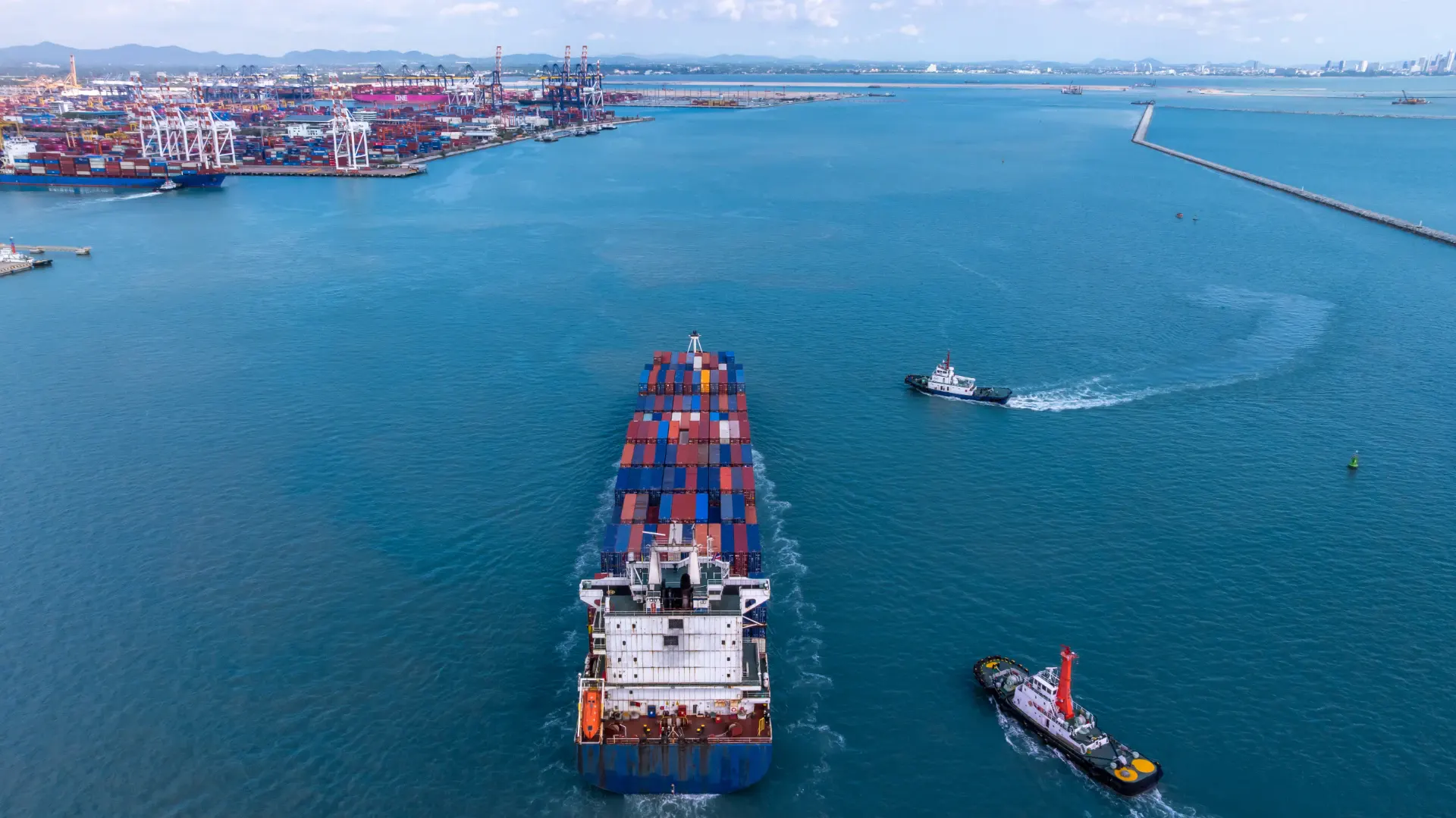
The 180-metre ship, built in 2013 and operated by Hong Kong's Fleet Management, left Bintulu in Malaysia on 24 March with a crew of 12 and was due in Bluff on 15 April. After heavy weather and main engine and generator problems she arrived on 23 April. She had been scheduled to spend five days discharging and loading logs for China, but Maritime New Zealand detained her until satisfactory repairs had been made to the main and auxiliary engines.
What went wrong in the boiler?
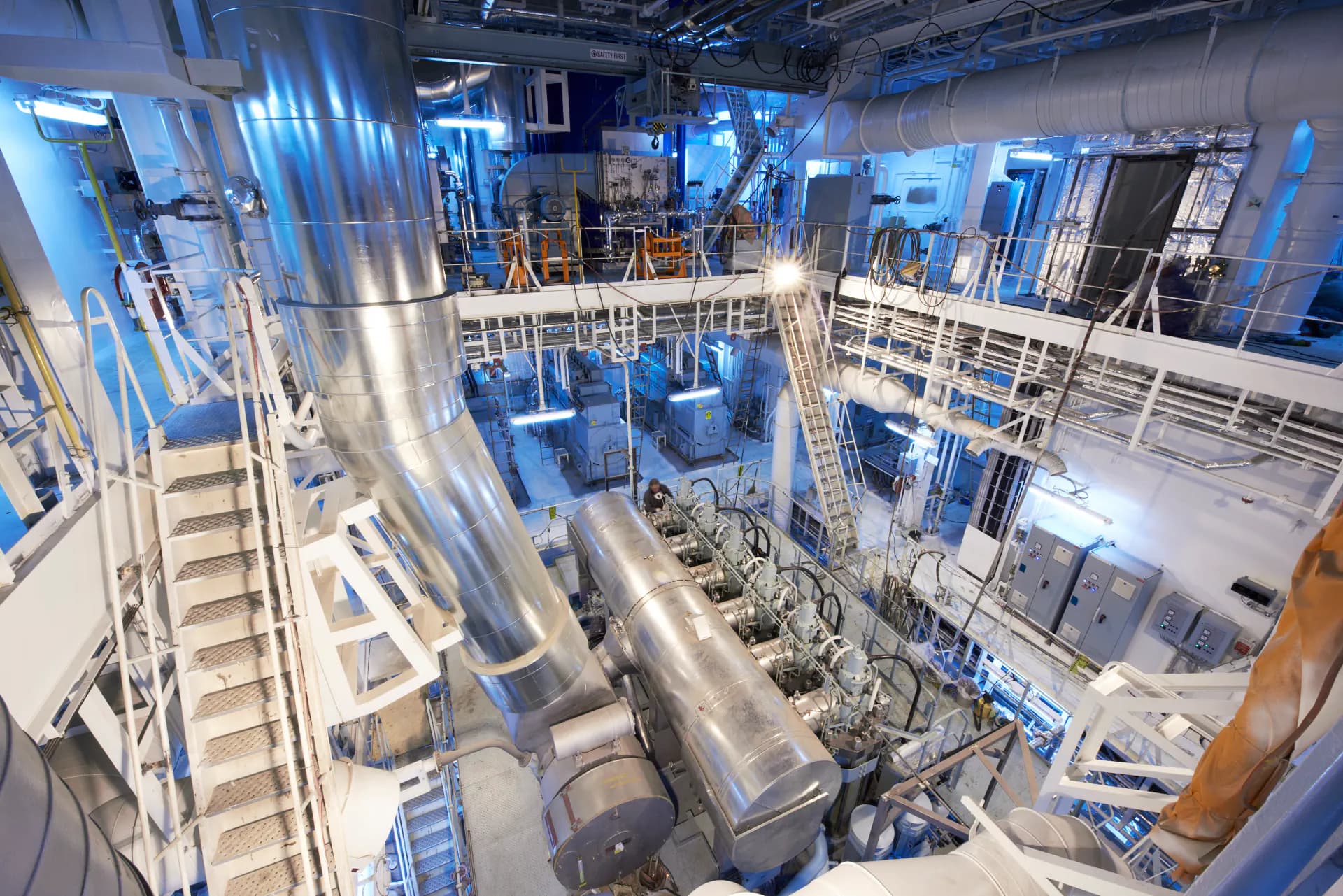
Repeated attempts to restart the boiler burner had failed. On the night of 24 May, the ship's 32nd day in port, a night shift of three was using an air lance, a long tube on a compressed-air hose, to clear soot. At sea, exhaust heat from the main engine supplies the ship's steam, so the oil-fired furnace can be switched off and left to cool for several days before cleaning. With the main engine stopped in Bluff, the furnace had been used to raise steam, and no objective check confirmed that it had cooled to a safe temperature before the work began. Investigators found that disturbed hot soot most likely ignited residual fuel as the lance was withdrawn.
Two of the three crew suffered serious burns and the third was bruised; all were taken to hospital. The ship was not damaged.
The repairs were organised in two 12-hour shifts. Most of the engineers worked on the generators by day, and the night shift's job list, mainly cleaning, was drawn up by day-shift engineers who were very likely fatigued, which affected their decision to approve the boiler job. TAIC identified two safety issues: inadequate implementation of the ship's safety management system, and a lack of guidance on managing crew through sustained periods of intensive work.
"Long repair programs need continuing attention to workloads, rest, and supervision. If an unexpected job is beyond people's capability, it should be a straightforward decision to stop and get the right support," said Louise Cook, TAIC's chief investigator of accidents. Fleet Management has since reviewed its procedures, protective equipment and fleet training.
This story is part of the Maritime Briefing of 3 November 2026.