Bencros issues verified CO2 reduction certificates alongside marine fenders
Bureau Veritas verified 13,112 tonnes of CO2e savings across 2024 and 2025
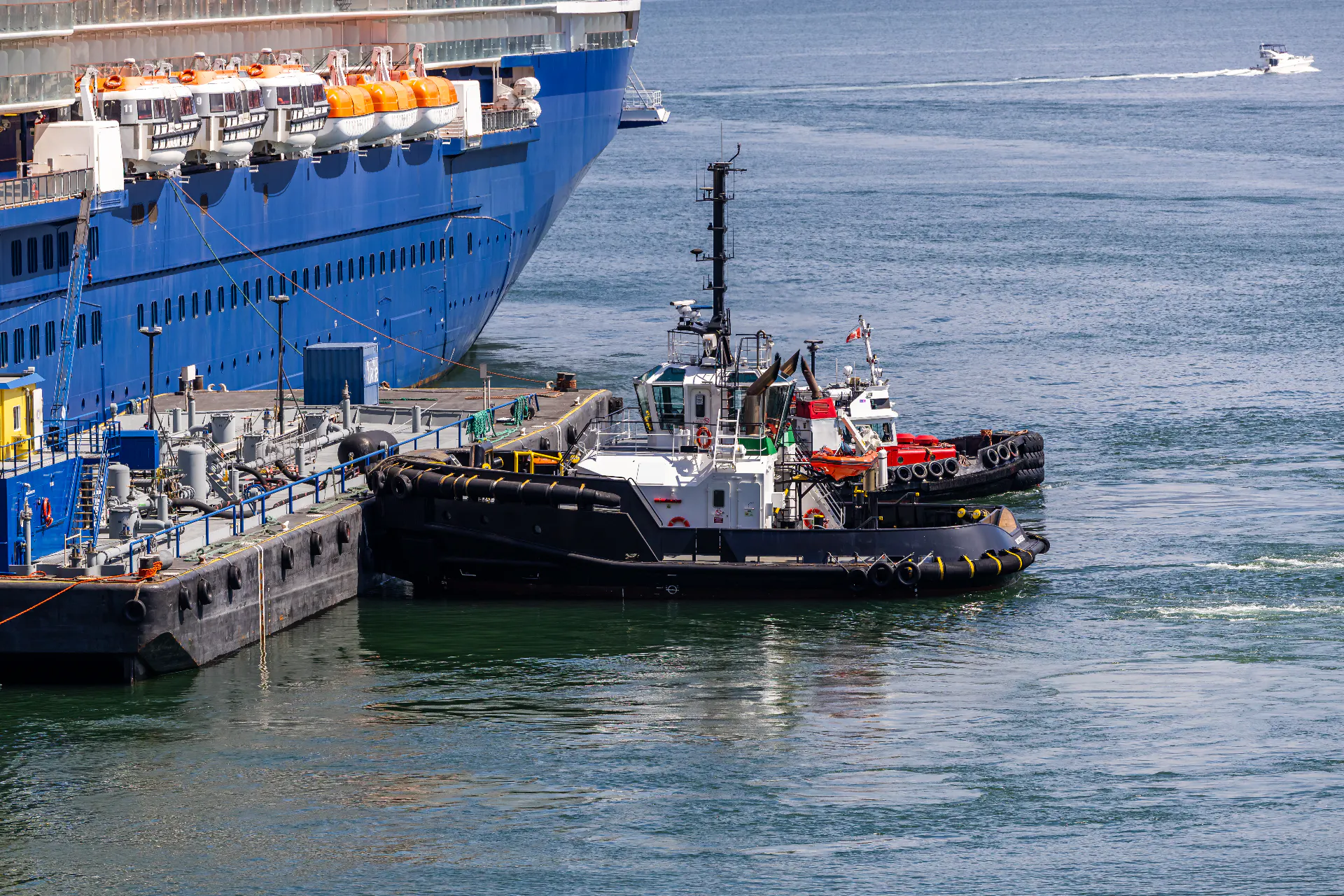
Slovakia-based Bencros Marine Fenders will begin transferring the CO2 savings embedded in its rubber fenders to customers as certified emission reductions, with the first certificates going live on 2 September 2026 on the registry of carbon standard Proba.
The company manufactures fenders for ports, tugs and workboats from rejected rubber compounds sourced from tyre factories and industrial rubber production, blended with rubber powder from ground end-of-life tyres. Across 2024 and 2025 it reused 5,070 tonnes of rubber waste in this way. The resulting 13,112 tonnes of CO2e in emission reductions have been verified under Proba's methodology, with Bureau Veritas acting as independent verification body.
For buyers, the product itself does not change: same specification, same performance. What changes is the accounting. Each tonne of Bencros fender now carries a certified saving of around 2.6 tonnes of CO2e against a fender made from virgin rubber. Of that, 2.42 tonnes per tonne can be booked directly into the buyer's own greenhouse gas inventory under Scope 3, Category 1 for purchased goods and services. The remaining 0.16 tonnes, which comes from incineration avoided on the waste rubber, is reported separately as a climate contribution.
Each certificate is registered under the buyer's name on the Proba registry, is traceable to the underlying rubber, and can be claimed once. That single-claim structure is what separates the instrument from a tradeable offset.
"This is not an offset," said Joost Komijn, founder and CEO of Bencros. "An offset is like planting a tree to offset your flight emissions. This saving happens inside the product you actually bought, in your own supply chain, and it comes straight off your own reported footprint."
Certificates are priced at EUR 80 per tonne of CO2e saved, with the proceeds funding the collection, recycling, homogenisation and quality control that make recycled rubber suitable for fender production, as well as the verification behind each certificate. The first certificates have been reserved by a Norwegian customer that bought fenders together with the associated savings. The company expects the project to save close to 5,000 tonnes of CO2 in 2026.
End-of-life fenders can be returned, shredded and blended back into new production. From 2026 the company also supplies reprocessed unvulcanised rubber compound to third-party rubber product manufacturers.