Cruise Lines Press Australia on Port Costs and Permits as Ships Leave
Sydney port costs run at twice Miami's, and only Carnival stays year-round
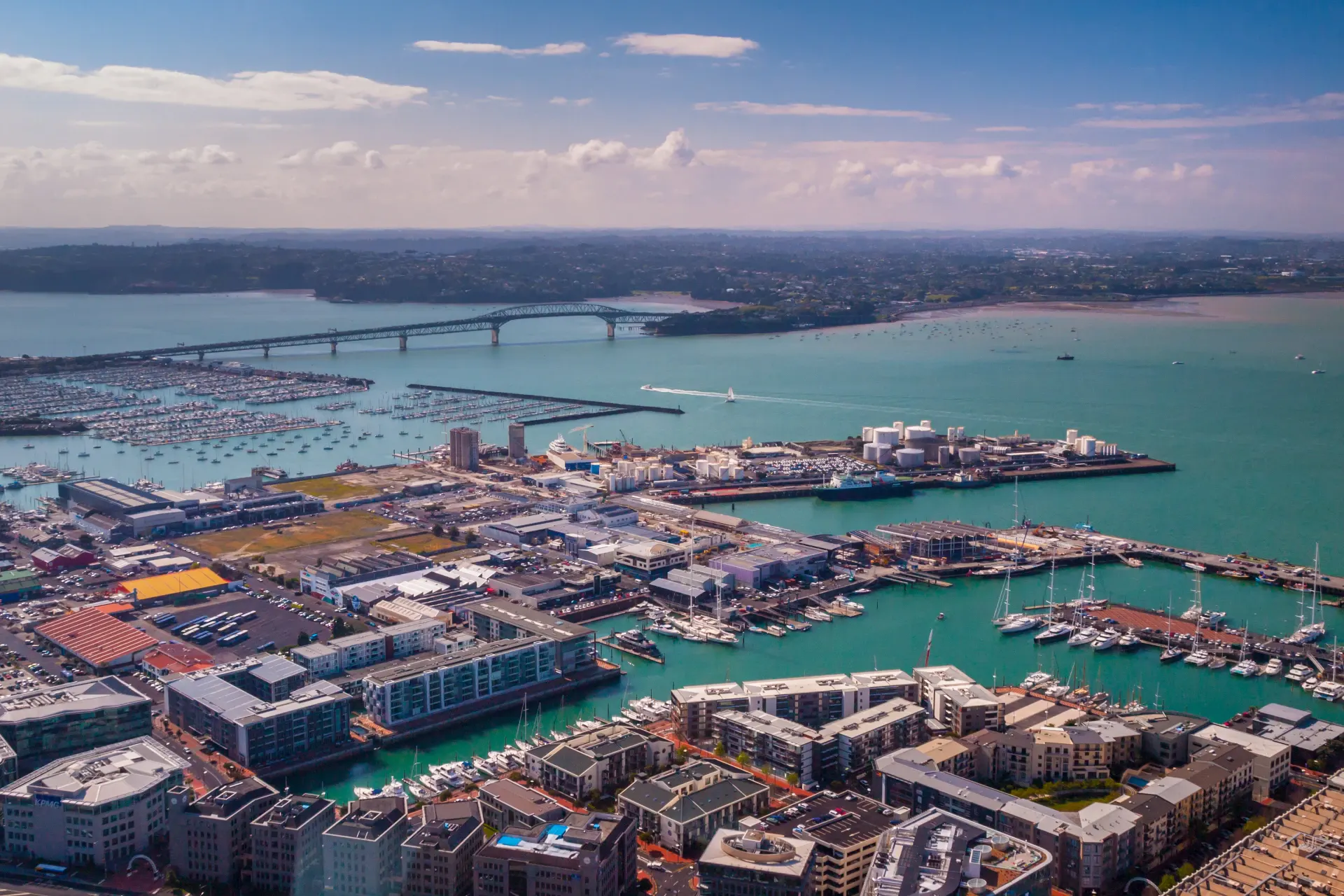
Australia ranks as the fourth largest cruise market globally, but the industry and related tourism businesses have launched a campaign urging regulatory and cost stabilization, arguing that competitiveness is slipping even as demand holds.
The Australian Paddock to Port Alliance puts cruise line spending in Australia at A$1.5 billion a year, generating more than A$7.3 billion in total economic contribution and supporting over 22,000 jobs. The Australian division of the Cruise Lines International Association reported that 1.45 million Australians took cruises in 2025, up 9.5 percent and the first time the 2018 record of 1.35 million was exceeded. Approximately 1.16 million sailed from Australia to New Zealand and the South Pacific, while 286,000 flew to cruises outside Australia, a 17 percent increase.
The concern is on the supply side. Forward bookings have softened and the number of cruise ships based in Australia is falling. Carnival Cruise Line is the only brand maintaining a ship in the market year-round, and it plans to reposition a larger vessel seasonally to North America in 2028. CLIA Australia executive director Joel Katz said Australia is struggling to attract ships to its waters because of regulatory uncertainties and rising costs, and that lines have been warning the country is becoming uncompetitive and risks losing cruise tourism to other destinations despite very strong demand.
Sydney port of call costs reportedly reach twice the level of Miami's, making alternative Asian ports more attractive. The Coastal Trading (Revitalising Australian Shipping) Act 2012 requires lines to obtain permits renewable every one or two years, complicating long-term deployment planning. Australia and New Zealand have also implemented strict biofouling regulations requiring frequent hull cleaning or treatment; in 2023 several cruise ships were denied entry to sensitive New Zealand areas including Milford Sound and Fiordland National Park, an application of port state control powers on biosecurity grounds.
Disney Cruise Line, Virgin Voyages and Cunard have all ceased homeporting in Australia, with Virgin operating only one season in 2024 despite having identified the country as a target market. Royal Caribbean International has moved the other way, announcing three ships, Ovation of the Seas, Anthem of the Seas and Voyager of the Seas, seasonally positioned between November 2027 and April 2028.
Carnival Corporation has cited Australian market challenges for a decade. Having transferred ships from other brands to build the P&O Cruises fleet to five ships by 2015 and called Australia one of the fastest-growing cruise markets with average annual passenger growth of 20 percent, it retreated from expansion before the pandemic, citing regional infrastructure that was not improving fast enough to support a 133,500 gross ton newbuild. In 2024 it announced the sunsetting of the P&O Cruises Australia brand, consolidating under Carnival Cruise Line. Chief executive Joel Weinstein said that given the strategic reality of the South Pacific's small population and significantly higher operating and regulatory costs, the company is adjusting its approach to gain the efficiencies it needs.
Carnival Adventure, at 108,865 gross tons and 3,150 passenger capacity, will reposition to North America from April 2028 for the northern hemisphere summer, following Carnival Luminosa at 92,720 gross tons, which already operates seasonally between Australia and Alaska.