Asian ports need $12bn a year to keep pace with trade growth
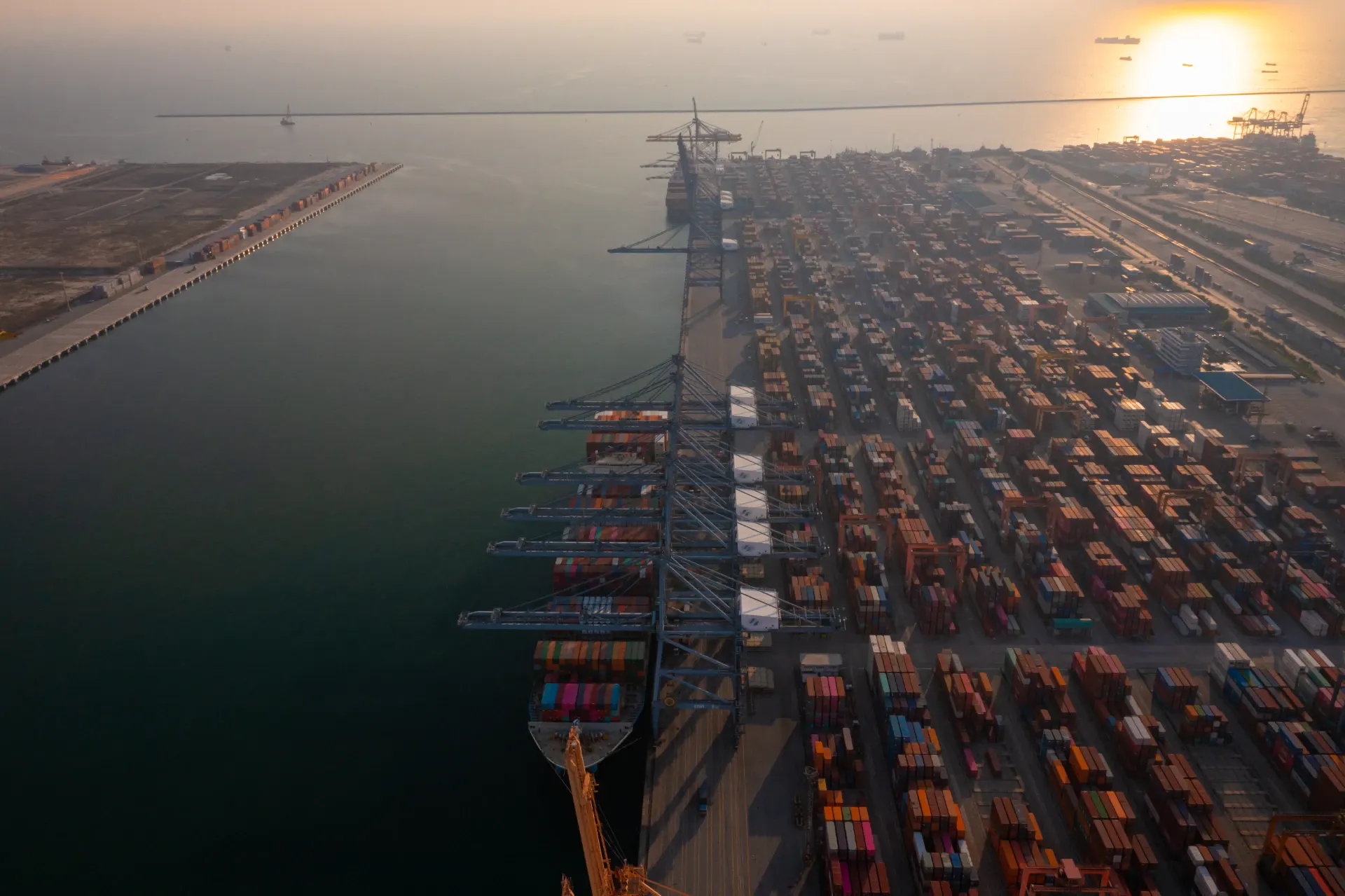
Asian ports and shipping will require investment of around 12 billion dollars a year to handle projected trade growth and to begin the shift to alternative fuels, according to new World Bank analysis. The figure covers container handling alongside dry and liquid bulk terminals, and it reflects an expectation that regional container throughput will rise by some 300 million TEU by 2040.
Container handling alone accounts for roughly 90 billion dollars of the total, or about six billion a year over the period. The distribution is heavily concentrated: China represents around 65 percent of the requirement and the five largest ASEAN economies about 25 percent, leaving a comparatively small share spread across the rest of the region. That concentration means the headline figure conceals very different situations, with some countries facing a straightforward expansion problem and others struggling to fund basic replacement.
Alternative fuel infrastructure carries a smaller price tag than many assume, at around 1.2 billion dollars for the main international pathways and roughly 500 million for domestic shipping. The much larger burden is the fleet itself. Replacing ageing regional tonnage is estimated at some 97 billion dollars, with an additional 14.5 billion representing the premium for dual-fuel capability over conventional equivalents.
The condition of the domestic fleet is the starker finding. In several Southeast Asian countries the average age of ferries and coastal ships exceeds 30 years, against an international fleet of which roughly 70 percent was built in 2010 or later. That gap has obvious safety implications in a region where ferries carry very large passenger volumes, and it explains why fleet renewal features so prominently alongside port capacity in the analysis.
Local shipbuilding capacity does not obviously solve the problem. Indonesia has more than 340 shipyards but builds only about one million deadweight tonnes a year, a level of output that is small relative to the number of facilities and far below what domestic fleet replacement would require. Fragmented capacity of that kind tends to be difficult to consolidate, and it points towards continued reliance on imported tonnage unless the industrial structure changes. The financing question sits alongside the industrial one. Much of the investment identified falls on public port authorities and on small domestic operators, neither of which raises capital easily at the scale required, and the pattern of concentration suggests the countries with the largest gaps are also those least able to close them without external support.