ADNOC Shipping Arm Buys Eleven Tankers And Gas Carriers For 1.3 Billion Dollars
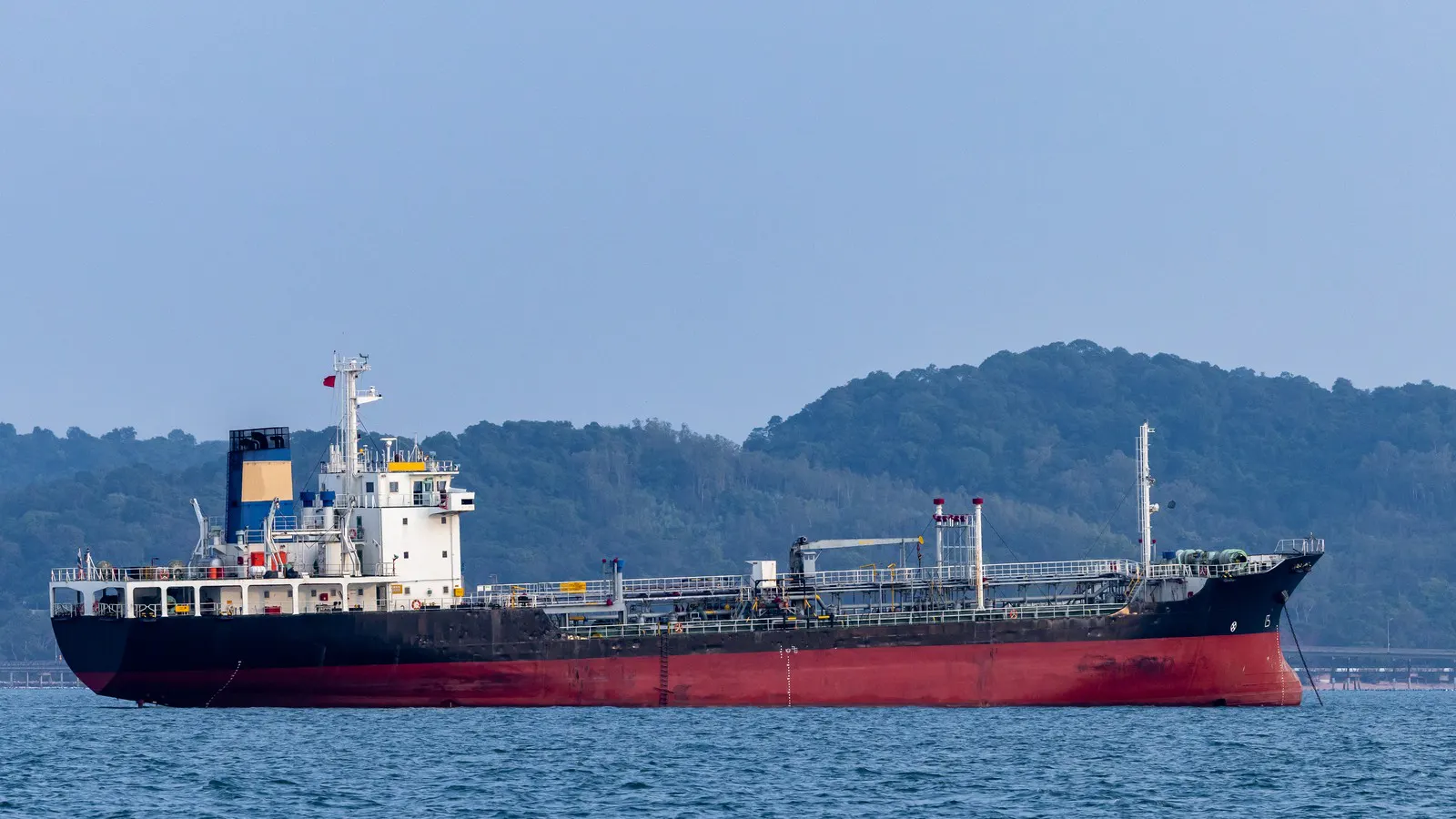
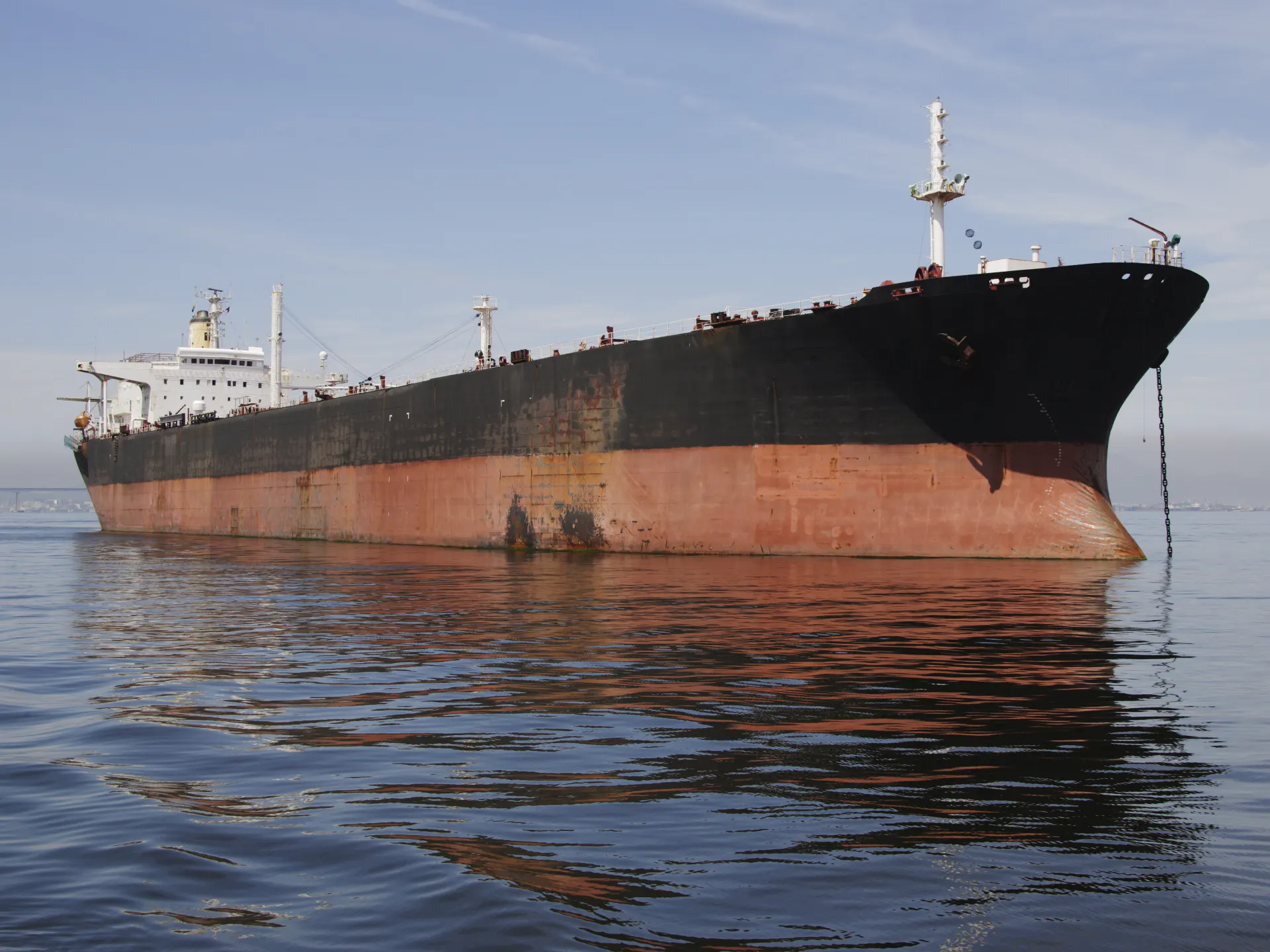
Abu Dhabi's national oil company shipping arm has acquired six very large crude carriers and five very large gas carriers for around 1.3 billion dollars, in a purchase that will lift its combined fleet in those two segments to twenty-six vessels. The transaction is valued at 4.8 billion dirhams and covers a mixture of secondhand tonnage and a newbuilding resale.
Nine of the eleven ships were bought on the secondhand market, comprising all six crude carriers and three of the gas carriers, and are due for delivery during the third quarter with the vessels expected to enter service immediately. The remaining two gas carriers are newbuildings acquired through a resale from a Chinese yard, scheduled for delivery in the fourth quarter. On completion the company will operate fourteen very large crude carriers and twelve very large gas carriers.
The chief executive framed the investment as increasing capacity to serve the group's own export requirements and its customers in key markets while adding exposure to international energy trades. That dual purpose is the strategic point. A national oil company that controls its own tonnage is insulated from the freight market when rates spike, and can trade the surplus when they do not, which converts a cost centre into a business with its own earnings.
The purchase follows a series of fleet additions. Five crude carriers were acquired from a listed Norwegian-controlled owner for about 590 million dollars, with two 2012-built ships valued at roughly 115 million each and three 2015-built vessels at around 120 million apiece, and three gas carriers were bought at about 115 million each. On 10 July the company ordered four gas carriers of 175,000 cubic metres at a Shanghai yard for around 900 million dollars, with delivery in 2029, taking its liquefied natural gas newbuilding programme to eighteen ships.
The timing is the aggressive element. Secondhand crude tanker values have risen substantially on the back of a market lengthened by sanctions and conflict, and a buyer taking nine ships off that market is paying full prices for tonnage whose earnings depend on those distortions persisting. A commercial owner making the same purchase would be exposed to a sharp reversal if the trade routes normalise. A national oil company is not, because the ships have work regardless of what the spot market does. That asymmetry is why state-linked buyers have been the most consistent bidders in this cycle, and why they can outbid owners who have to answer for the return.