First phase of Yangtzekanaal widening complete as Rotterdam starts phase two
A new tugboat quay with twelve berths has opened on the channel serving Rotterdam's Maasvlakte container terminals, with a larger inland shipping quay now under construction
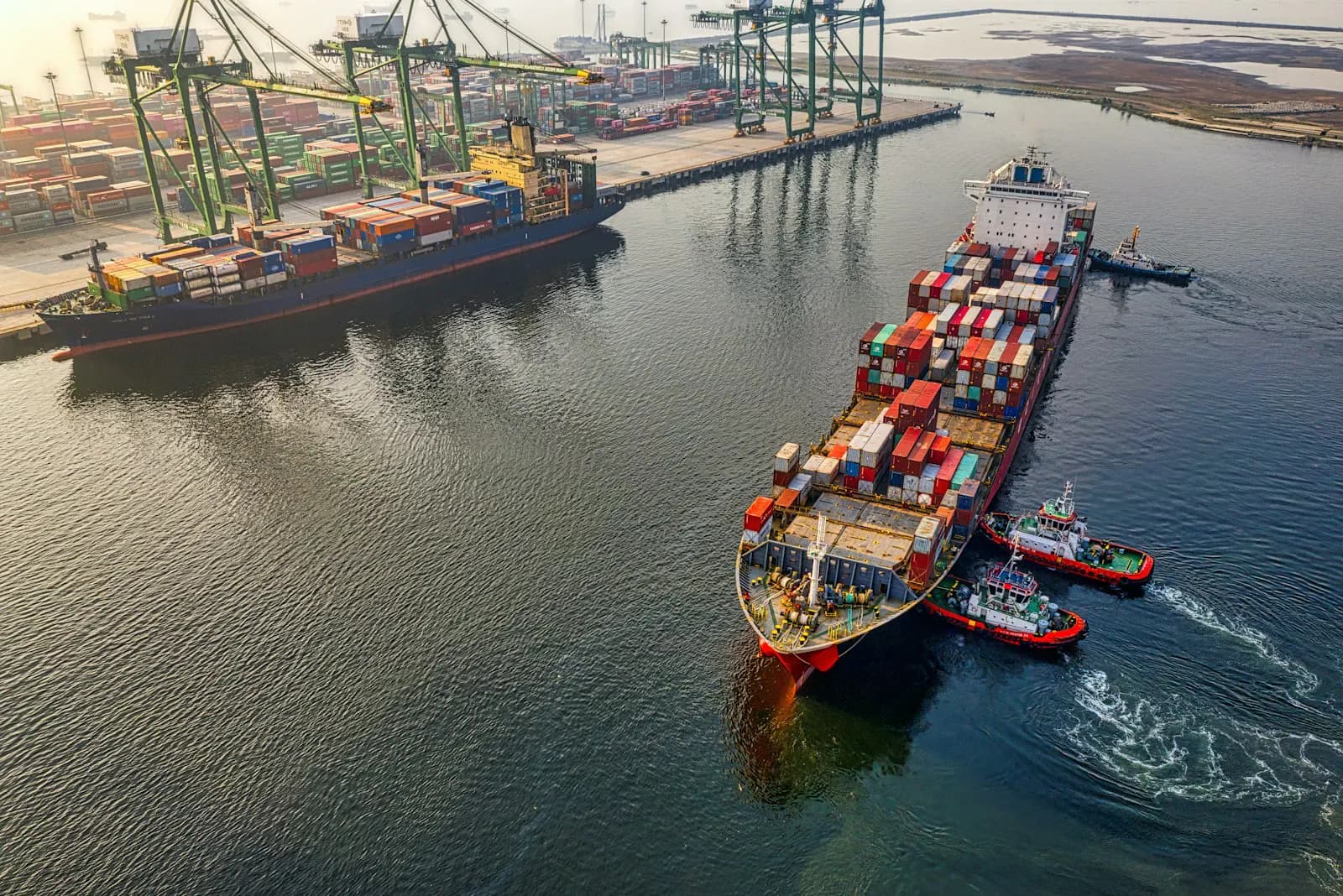
The first phase of widening work on Rotterdam's Yangtzekanaal, the access channel serving the port's largest container terminals, has been completed, with a second and larger phase now under way. A contractor consortium has finished a new tugboat quay with twelve berths and shore power facilities, achieved by widening the channel's south side over a stretch of 500 metres.
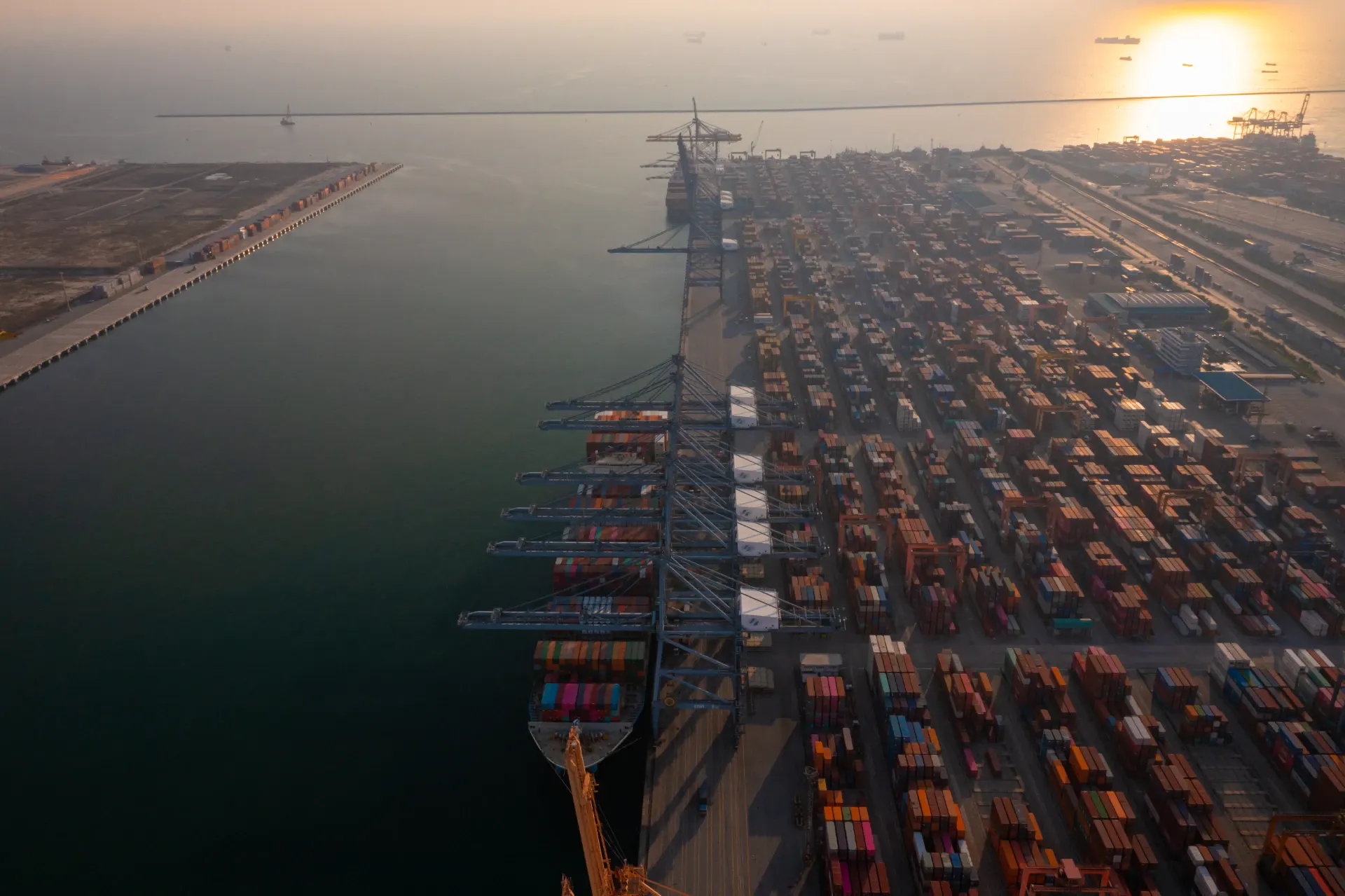
The largest container vessels calling at Rotterdam sail through the Yangtzekanaal to reach the APMT2 and RWG terminals in the Prinses Amaliahaven, both of which are currently expanding their own capacity. As those terminals grow and as ships calling on the route continue to increase in size, port authorities say space must be created for vessels to pass through safely and efficiently, with plans to widen the channel's navigable bed along its entire length over the coming years.
The second phase now under construction involves building a 1,450 metre quay wall to the west of the existing Antarcticakade, adding twenty new berths for inland shipping alongside the ten berths already in place, plus a dedicated heavy load zone for occasional transshipment of freight or specialist materials. The new inland shipping berths will be maintained to a depth suitable for the barges that move containers between Rotterdam's deep-sea terminals and the European hinterland.
To widen the navigable channel and create the new berths, roughly 1.4 million cubic metres of sand will be dredged and reused for land reclamation on Maasvlakte 2, avoiding the need to source or dispose of the material elsewhere. Once complete, the works will allow two-way traffic for container vessels of up to 24,000 TEU, a capacity class that already calls regularly at the port's deep-sea terminals.
The top of the new quay wall will be built using roughly 10,000 cubic metres of geopolymer concrete, a cement-free material that reduces carbon emissions by around half compared with conventional concrete. Port authorities maintain around 80 kilometres of quay walls and 200 kilometres of slopes across the port, and expect geopolymer concrete to feature increasingly in future quay wall projects as part of a broader sustainability push in port infrastructure.