Yanbu Loadings Paused as East-West Pipeline Damage Halts Flow
Four million barrels a day of Red Sea liftings stop while pumping stations are repaired
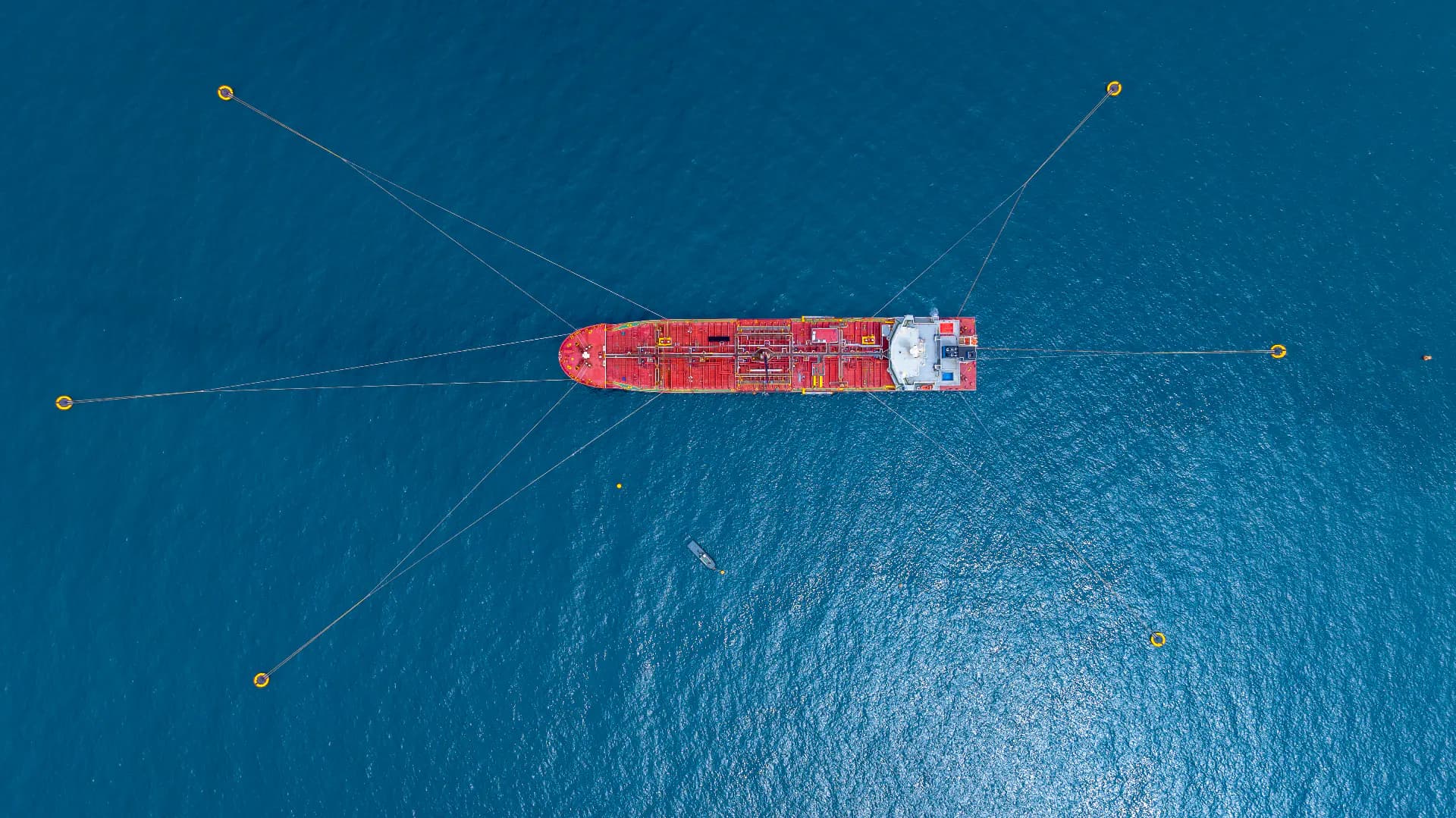
Brent climbed on news that loading has been paused at Yanbu, Saudi Arabia's main Red Sea oil terminal, after attacks on the Saudi Aramco East-West Pipeline halted the cross-country movement of crude that feeds it. Repairs are put at three to five weeks before full flow resumes.
Satellite imagery from Soar Atlas shows significant damage at several pumping stations along the pipeline route, which is consistent with a repair job of that length rather than a valve reset. Before the suspension, Yanbu had been loading around four million barrels a day — roughly four percent of global supply.
The pipeline exists precisely for the situation the market is now in. Saudi production is concentrated in the supergiant fields on the eastern coast, and most exports have traditionally gone out through the Strait of Hormuz. The East-West line was the way to put Arabian grades into the Red Sea, shorten the run to European buyers and, when the Gulf became tense, bypass the strait altogether. With the line down, that option is closed and the barrels go back towards Hormuz.
The market is showing the adjustment. Satellite evidence points to more tanker activity through contested Omani waters, elevated ship-to-ship transfers near Fujairah, and two-way daytime VLCC traffic through the strait, all of which suggests the volume can in part be rerouted. What it cannot do is reroute cheaply: tanker transport costs are at unprecedented levels, and the premium is heaviest on exactly the Hormuz transit that now has to absorb the flow.
European refiners take the sharp end of it. Northern Europe went looking for non-Russian alternatives after 2022 and Yanbu was the geographically obvious source of Arabian grades for that trade. Replacing those cargoes means either a longer voyage around from the Gulf or a different crude slate.
Libya has added a second, smaller disruption in the same week, with the Petroleum Facilities Guard shutting a pipeline valve while it presses organisational restructuring demands on the National Oil Corporation.
This story is part of the Maritime Briefing of 17 September 2026.