Wilson Sons Names WS Ariel, Third Tug in Its ASD 2312 Series
The 73.5-tonne bollard pull escort tug takes the Brazilian operator's fleet to 83 vessels.
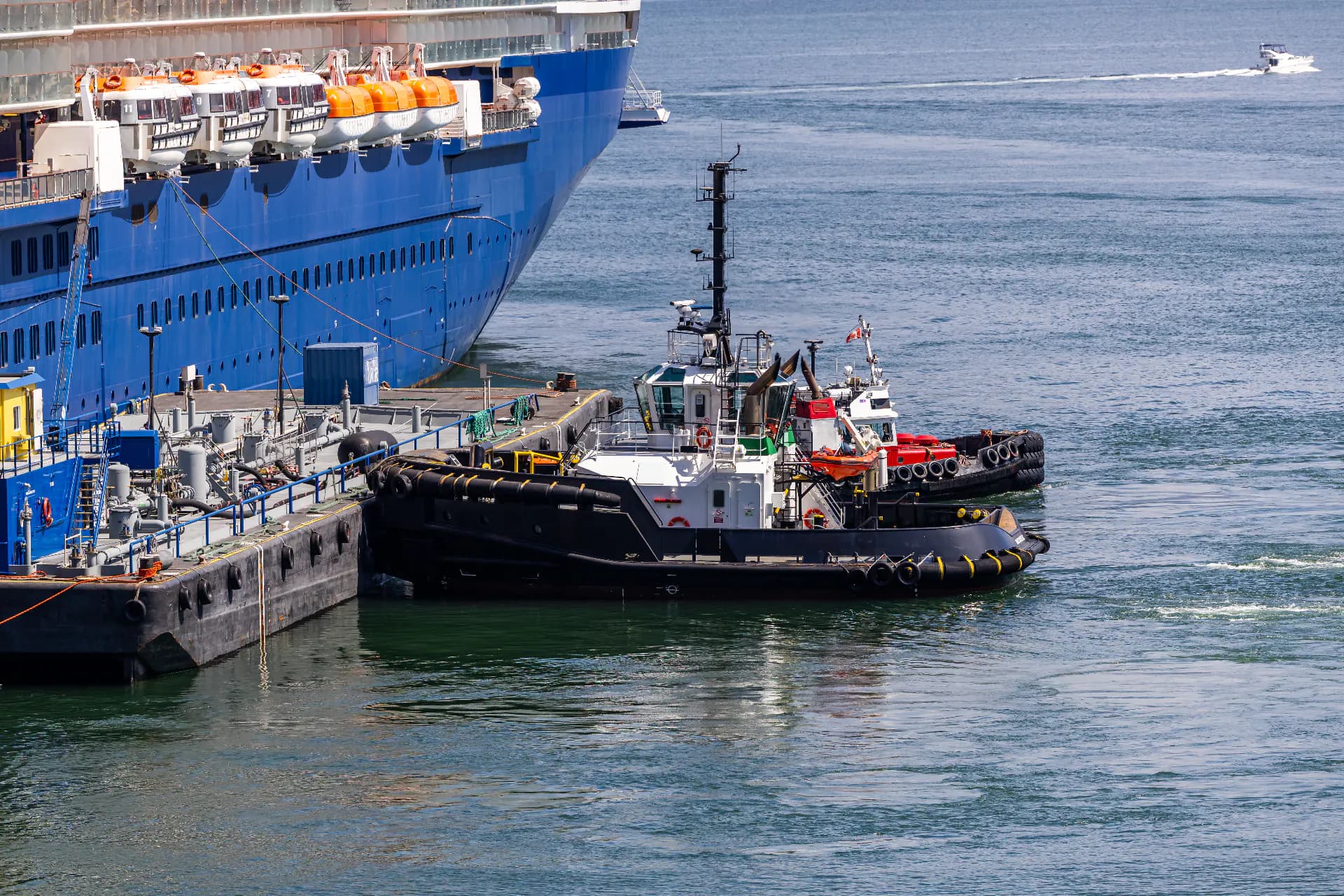
Wilson Sons named its third high-powered tug of the year on 20 August at Pier Maua in Rio de Janeiro, adding WS Ariel to a newbuilding series that is steadily replacing older units in the Brazilian operator's harbour fleet.
WS Ariel follows WS Halcyon and WS Capella, named in January and May respectively. All three came out of the company's own yard at Guaruja in Sao Paulo state, and all three are ASD 2312 class: 23 metres long, 12 metres in the beam, with azimuthal propulsion and 73.5 tonnes of bollard pull.
That pull figure is the operative number. It puts the tug in the bracket needed to handle the largest ships now calling in Brazil, including neo-Panamax boxships, on berthing and unberthing manoeuvres where the margin for error at the quay is measured in metres. The hull hydrodynamics and propulsion package are also designed to cut fuel burn and emissions relative to comparable units, which matters in a trade where a tug spends much of its day at part load or standing by.
The boat carries a FiFi 1 firefighting system rated at 2.4 million litres of water per hour, giving the operator a response asset as well as a manoeuvring one.
Marcio Castro, Towage Executive Director at Wilson Sons, said the new cycle of tugs underpins a commitment to safer and more efficient operations, and that the boats are built to serve increasingly larger ships and support the efficiency of the logistics chain.
Shipyard Chief Executive Adalberto Souza pointed to manoeuvrability as the design priority. Higher manoeuvrability, he said, allows the tugs to work closer to the bow and stern of the ships they are assisting, which broadens what a single unit can do across a range of port operations rather than confining it to one role.
With WS Ariel delivered, the Guaruja yard has now built 156 vessels across a history of more than 80 years, and the operating fleet reaches 83 vessels along the Brazilian coast. The company itself has been working in Brazilian ports for more than 188 years and serves over 5,000 clients across shipping, offshore energy, renewables and agribusiness.