White House Opens Navy Shipbuilding To Foreign Yards Under New Model

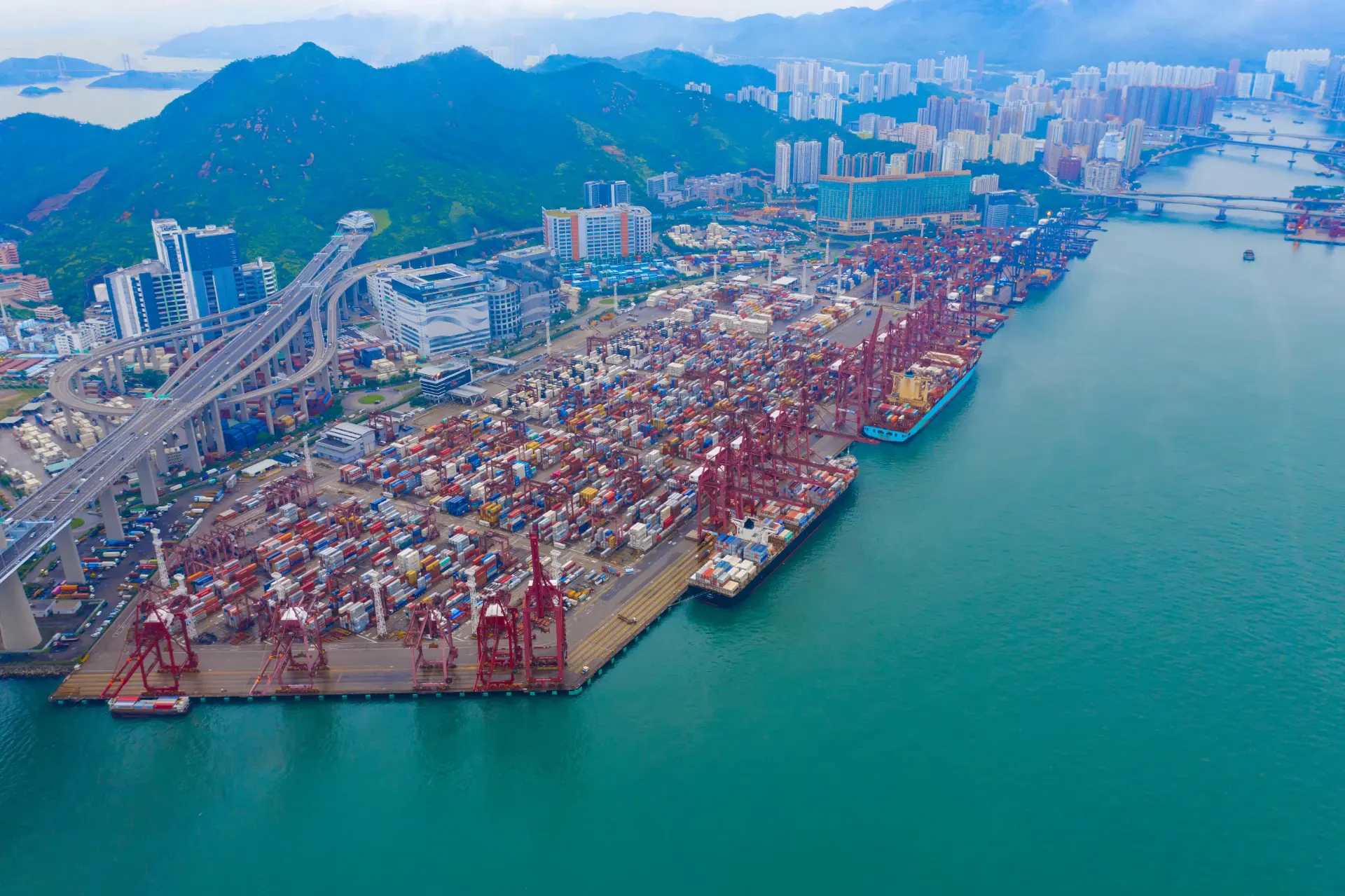
A White House memorandum has ordered an overhaul of United States Navy shipbuilding that could allow foreign yards to build the first vessels in selected programmes before construction moves to American facilities. The approach, which the administration calls the Finland Model, would apply to as many as three ship classes as Washington confronts capacity constraints, backlogs, delays and rising costs across its naval industrial base.
The conditions attached are substantial. A qualifying foreign shipbuilder must simultaneously build a new United States shipyard or acquire ownership or a majority stake in an existing one. It must hire and train American citizens, license its proprietary shipbuilding technologies and techniques to the American operation, and establish a domestic supply chain. Only the first two ships may be built at the parent yard abroad; every subsequent vessel must be constructed in the United States.
The Pentagon has 90 days to develop a competitive acquisition approach for surface combatants capable of anti-submarine warfare, surface warfare and convoy escort, with the same model to be considered for replenishment tankers and roll-on roll-off vessels. American law generally prohibits building armed forces vessels or major hull and superstructure components at foreign yards, though the restriction can be waived on national security grounds with congressional notification and a 30-day delay before contracts may be signed.
A separate provision has drawn sharper objections. The memorandum requires a plan within 60 days to replace the electromagnetic aircraft launch system and advanced weapons elevators with steam catapults and hydraulic elevators on the fourth Ford-class carrier. The launch system's manufacturer warned that with nearly half of production complete, changing course would introduce significant cost, schedule and integration risk. The first three carriers in the class will retain their electromagnetic systems.
The memorandum also requires a plan within 120 days for a fifth public navy shipyard, including consideration of up to three new drydocks able to handle current and planned submarine classes, and a component repair centre plan within 90 days holding at least one ship set of spare equipment across five submarine classes. Domestic builders have opposed overseas construction of military vessels, arguing it diverts demand, jobs and industrial capability from American yards — which is the central tension in a policy that tries to import capacity and build it at home simultaneously.