Wallenius Marine Puts Two Oceanbird Wing Sails on Car Carrier Way Forward
The 2027 retrofit is the first commercial multi-wing installation for the Swedish joint venture
Wallenius Marine is moving wind-assisted propulsion out of the trial phase, with a retrofit scheduled for 2027 that will put two wing sails on one of its newest vehicle carriers. The work is being done with Oceanbird, the joint venture that Wallenius Lines established with Alfa Laval.
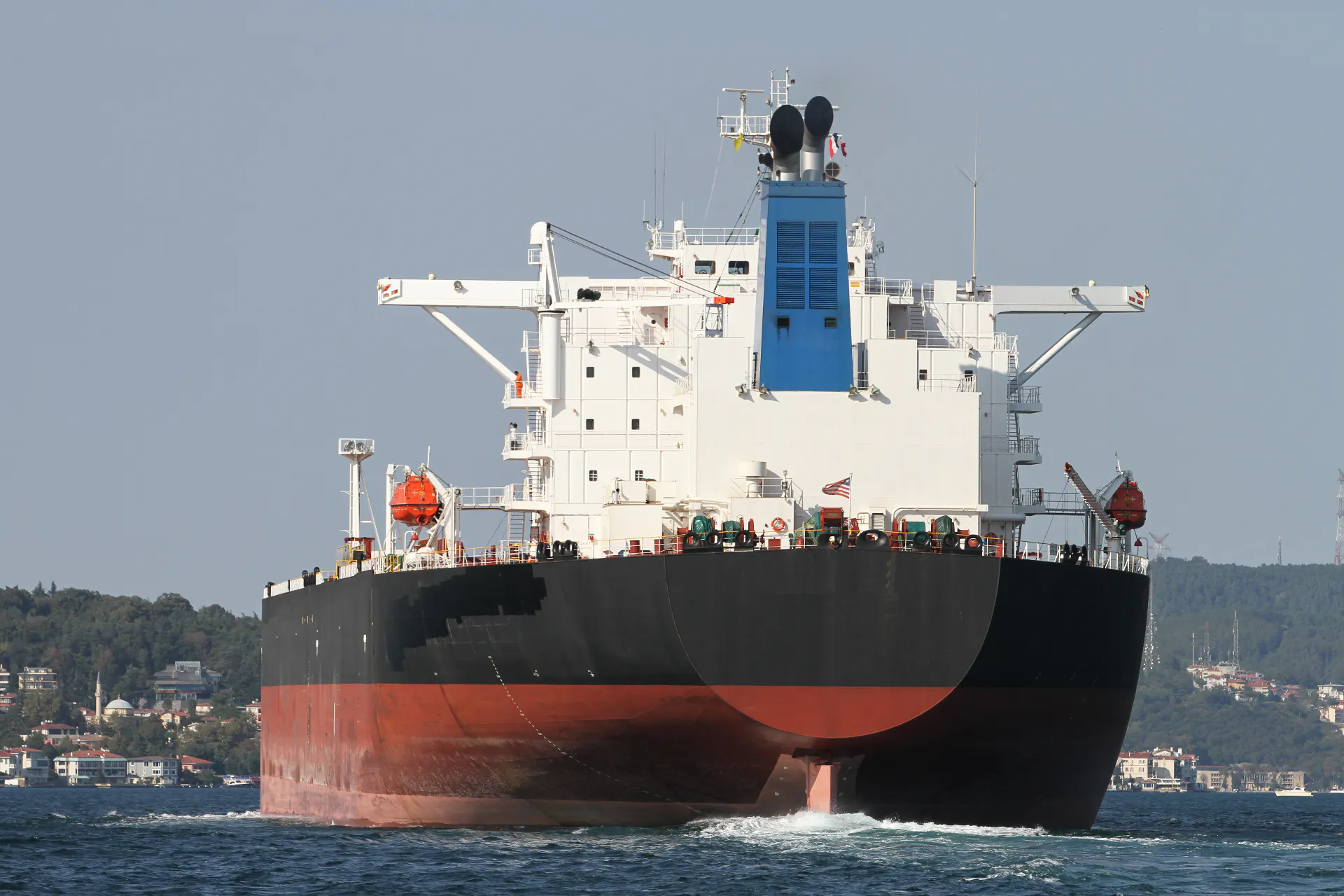
The ship taking them is Way Forward, delivered in 2024 from Yantai CIMC Raffles in China and designed by Knud E. Hansen. She and her sister Future Way measure 62,432 gross tons and 200 metres in length, carry 6,500 cars, and run on dual-fuel machinery able to burn LNG and biomethane or diesel and biodiesel. Way Forward is on charter to Volkswagen Konzernlogistik.
The design already leans on efficiency measures that wind propulsion is meant to compound: a hull optimised for low water resistance, a streamlined low-profile superstructure with integrated ventilation to cut air resistance, lightweight steel construction, and a cargo arrangement intended to minimise ballast.
"We are convinced that wind propulsion will play an important role in the future of shipping," said Johan Mattsson, chief executive of Wallenius Marine. "By fitting wing sails to the Way Forward, we can gain practical experience whilst taking another step towards reducing emissions from our fleet."
Assembly of the two wings is under way at Oceanbird's site in Landskrona, Sweden. Their dimensions have not been disclosed. They will carry the company's tilting arrangement, which allows a wing to be lowered to improve manoeuvrability and contain air draft, a practical constraint for a vehicle carrier working berths with fixed ramps and overhead structures.
The step follows the first Oceanbird installation, a single wing fitted to the Wallenius Wilhelmsen vehicle carrier Tirranna in June 2026. That wing stands 46 metres tall and is 14 metres wide, on a 2009-built ship with capacity for 7,650 cars. Oceanbird has said the installation is working as intended, and performance data is due to be verified by a third party this autumn.
"It is our first multi-wing installation and an important step towards our vision of a primary wind-powered vessel," said Oceanbird chief executive Amrit Kaur Bhullar.
This story is part of the Maritime Briefing of 8 September 2026.
Ships in this story