Vietnamese City Waives Port Infrastructure Fees For Three Years
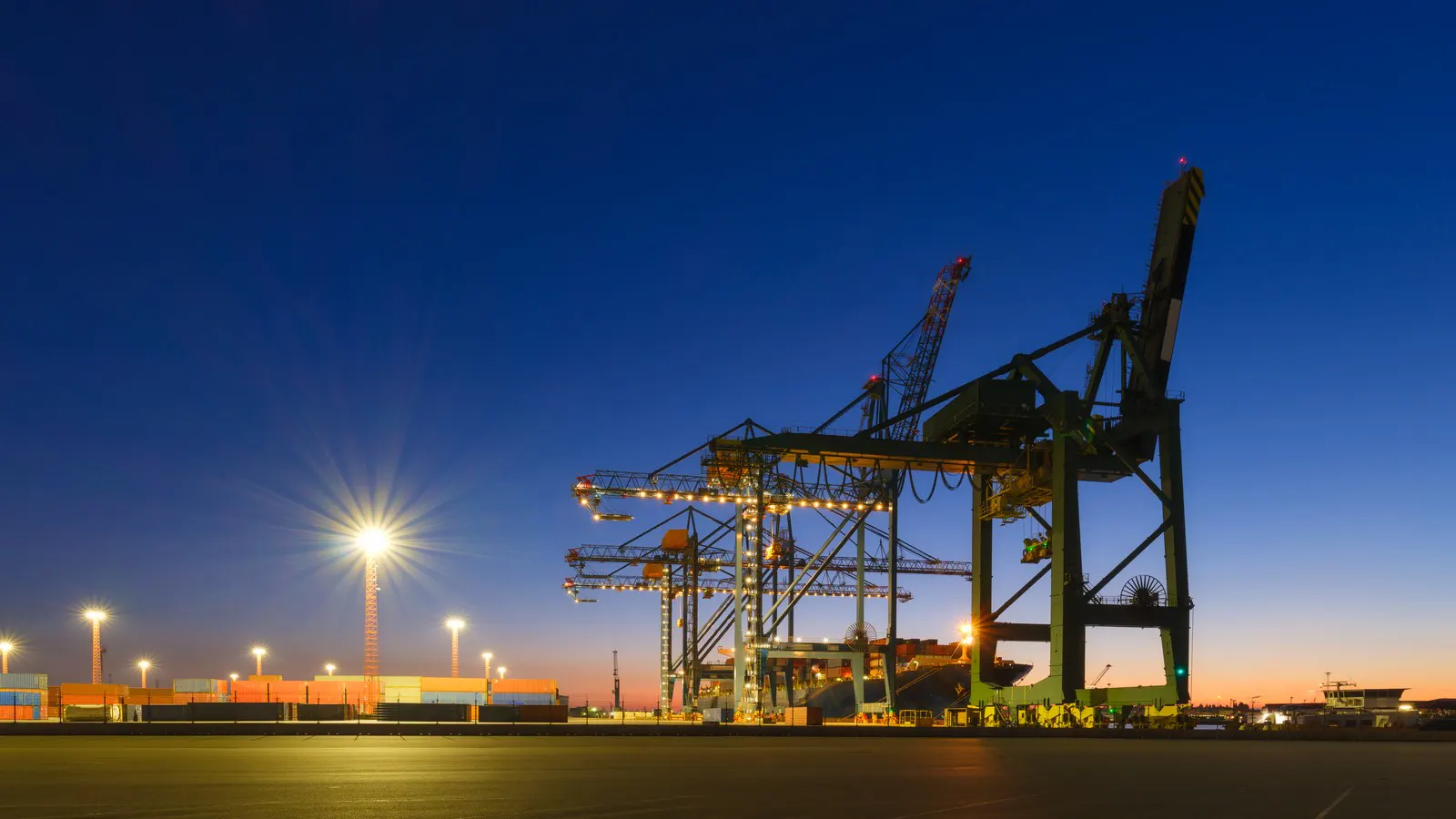
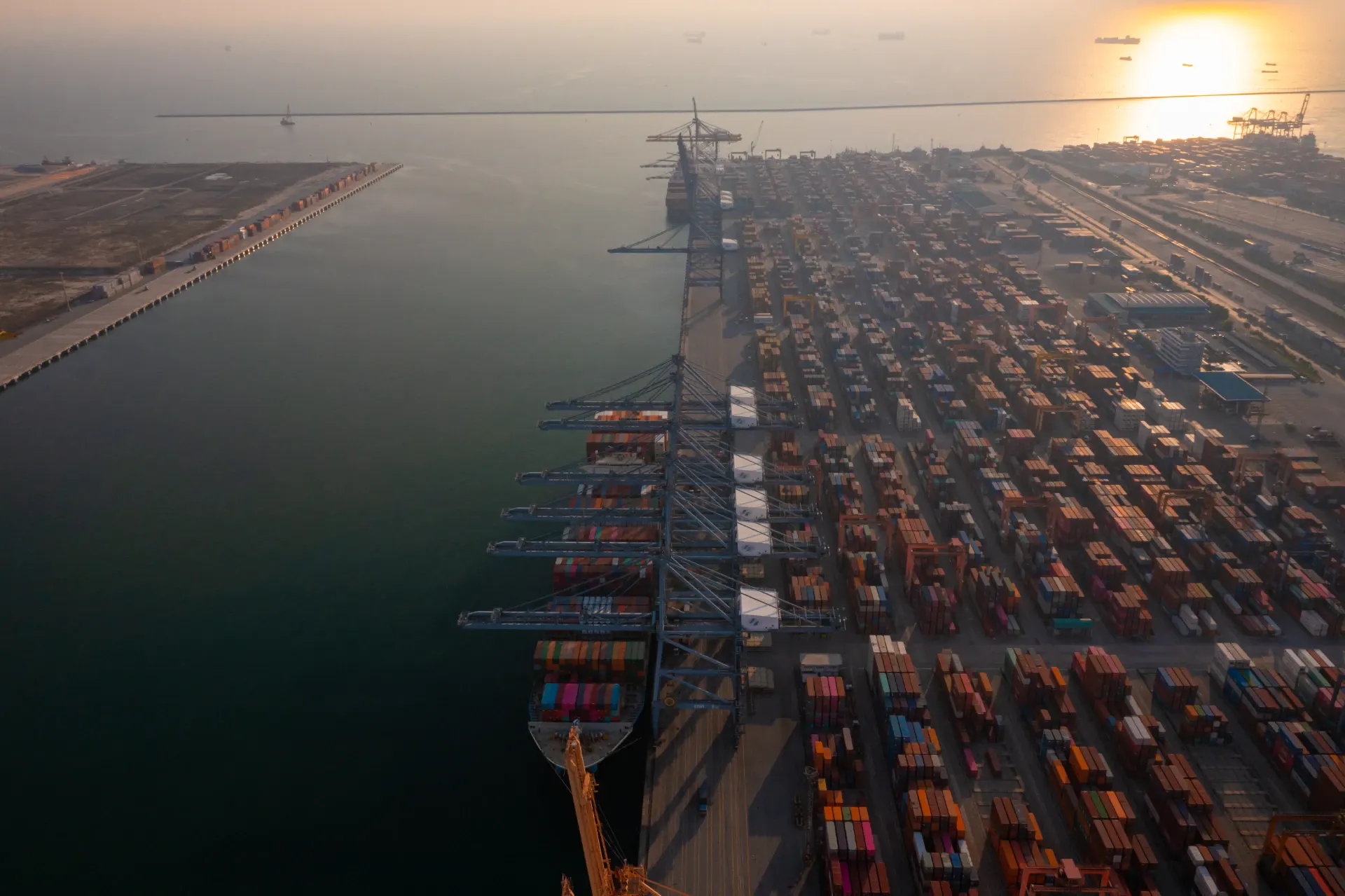
Vietnam's largest commercial city has introduced a complete exemption from port infrastructure fees for a three-year period, covering more than 94,000 enterprises, in a measure officials estimate will reduce logistics costs by between 0.5 and 0.8 percent. The waiver removes a charge levied on cargo moving through the city's port facilities that had been in place to fund landside infrastructure around the terminals.
The estimated saving is modest in percentage terms and that is worth stating plainly. Logistics costs in Vietnam run high as a share of the value of goods, considerably above the levels seen in the more efficient exporting economies, and the largest components are inland transport, warehousing and the time cost of delay rather than port charges. A reduction of well under one percent does not change the competitive position of a Vietnamese exporter against a Chinese or Thai one.
What it does change is the signal. Vietnam has spent the past several years positioning itself as the principal beneficiary of manufacturing relocating out of China, and the competition for that investment is fought partly on the predictability and the direction of travel of the cost base. A three-year exemption announced up front gives a manufacturer evaluating a site a fixed input to put into a model, which is worth more to an investment decision than a larger but discretionary saving.
The fiscal cost falls on the city, which forgoes the revenue that the fee was raising for the infrastructure around its ports, and that infrastructure is precisely where the country's logistics problem is most acute. Container terminals in the region have added capacity faster than the roads serving them, and congestion on the landside approaches is a familiar constraint. Removing a funding stream for road and access improvements in order to reduce a charge by a fraction of a percent is a defensible trade only if the investment attracted exceeds the investment forgone.
The measure also sits alongside a much larger programme of port development elsewhere in the country, including new deepwater capacity intended to take the largest container ships directly rather than feedering their cargo through regional hubs. Fee exemptions are quick to announce and quick to reverse; deepwater berths take a decade. Which of the two determines where manufacturers site their factories over the next twenty years is not really in question, and the answer is not the fee.