Norway Grants Ventyr a One-Year Delay on Southern North Sea II Wind Licence
The developer needs more time to study an alternative landfall route near Alcoa's Lista plant.
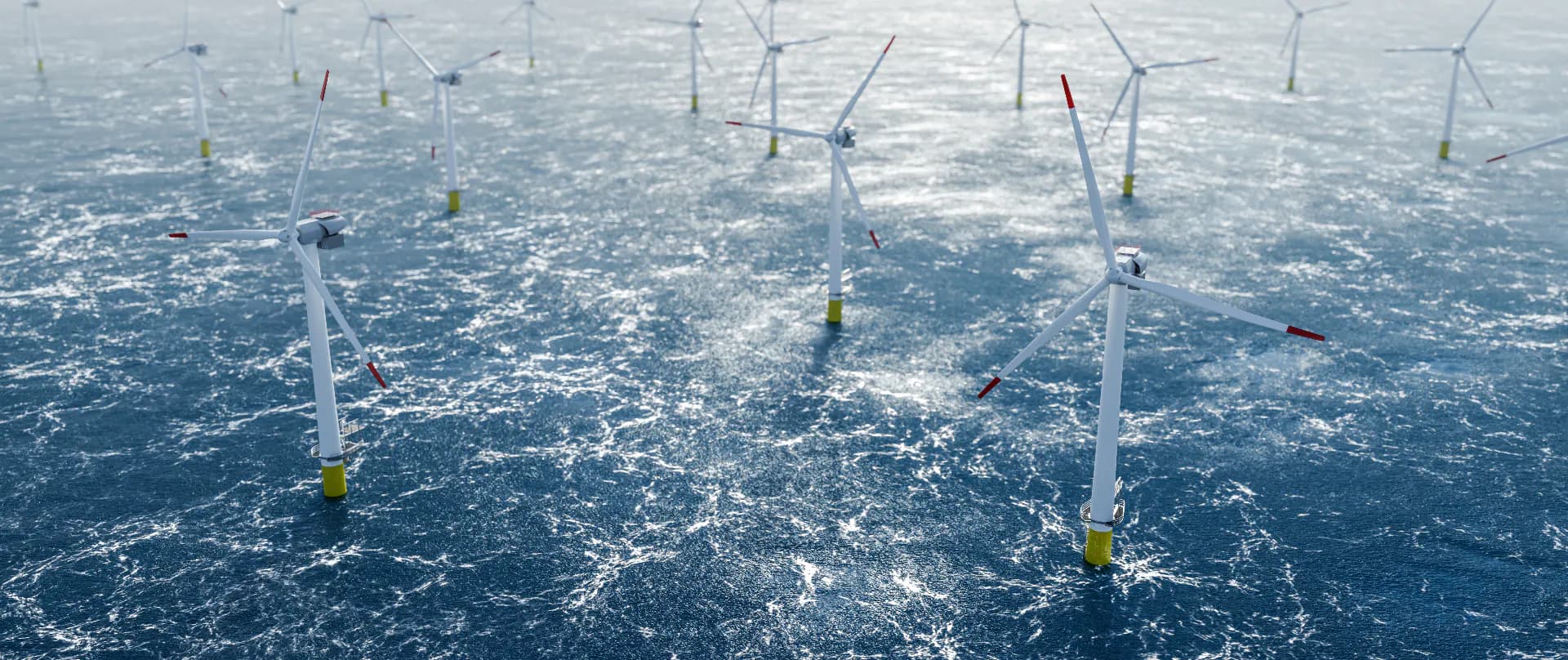
Norway's Ministry of Energy has granted developer Ventyr a one-year extension to submit its licence application for the Southern North Sea II offshore wind project, delaying what was meant to be the country's first large-scale fixed-bottom development.
Ventyr, a joint venture between Parkwind and Ingka Investments, requested the extension primarily to investigate an alternative landfall and grid connection route, one that would come ashore near Alcoa's plant at Lista rather than the originally planned corridor. The ministry set a new deadline of 15 October next year, saying it accepted there were grounds for the delay.
At 1.5GW, Southern North Sea II was intended to be Norway's first large fixed-bottom offshore wind farm, a different technology from the floating turbines the country's deep outer continental shelf mostly requires elsewhere. The project's economics have reportedly come under question from its owners, and analysts have noted that if the numbers do not work, taking the financial penalty and handing the licence back could end up cheaper than proceeding.
The delay lands against a backdrop of an industry that has slowed considerably since Norway's period of international leadership in floating wind. Six years ago the country approved Equinor's Hywind Tampen, at the time the world's biggest floating offshore wind farm; that project has performed well since, with capacity utilisation around 50 percent — well above what is typically expected onshore at the same latitude. But that success has not translated into faster progress on the projects that followed. Confidence took a further hit last year when developers including Statkraft and Macquarie withdrew from the Utsira Nord floating wind tender.
Norway has identified nineteen potential development zones for offshore wind and had previously signalled a new tender roughly every two years, a schedule that has since been sidelined. The Southern North Sea II delay is not, on its own, a project cancellation — but it adds another data point to a pipeline that has repeatedly slipped against its own timetable.