Van Oord dredging gives Kamarajar an 18-metre draft
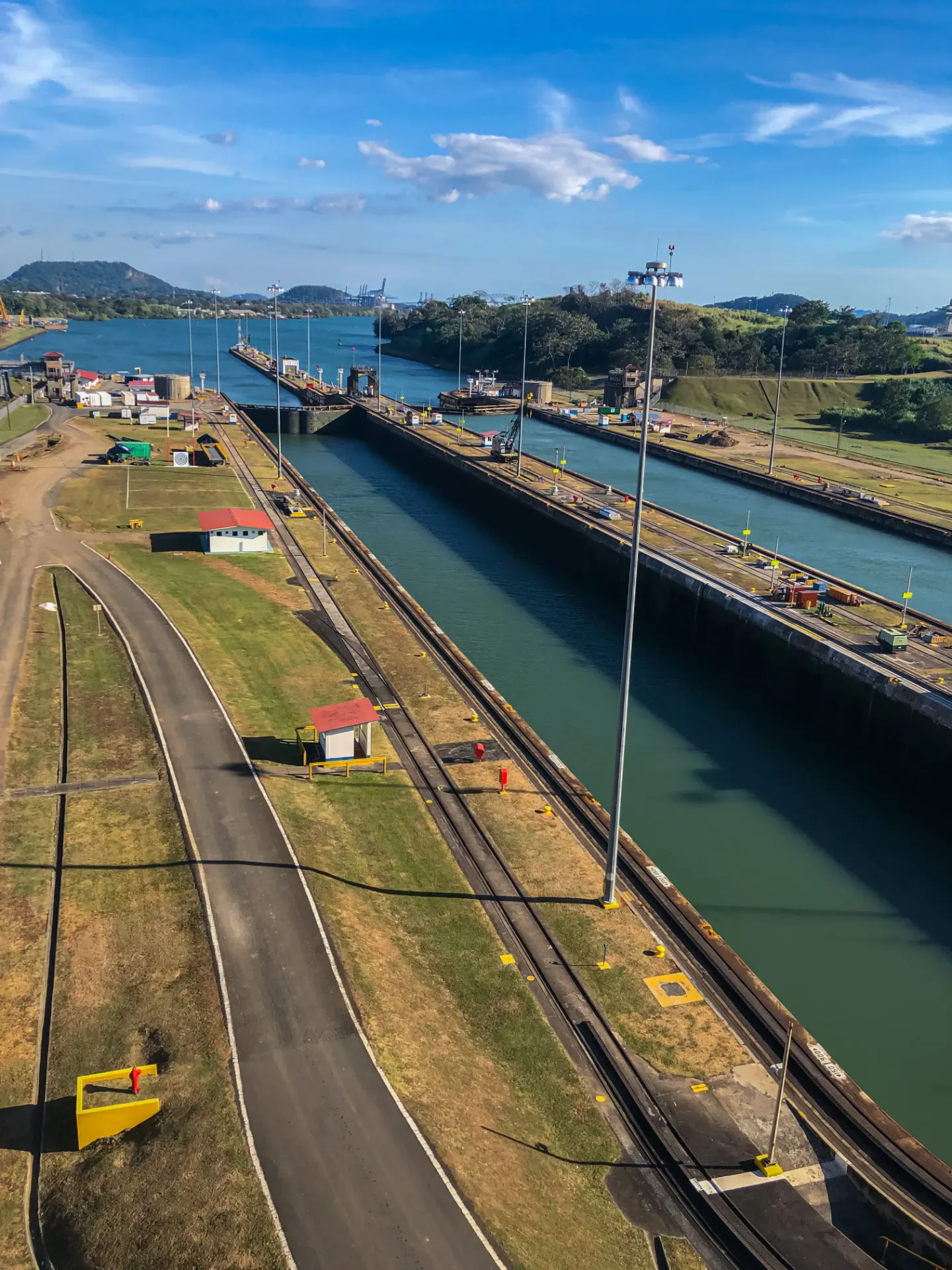
Van Oord has completed capital dredging that gives Kamarajar Port an operational draft of 18 m, making it only the second major port in India able to accept fully laden capesize vessels of up to 170,000 dwt. The Dutch marine contractor deepened the outer approach channel from 20 m to 23 m and the inner entrance channel from 19 m to 22 m, with the work also covering berth areas, the harbour basin and associated navigational waters.
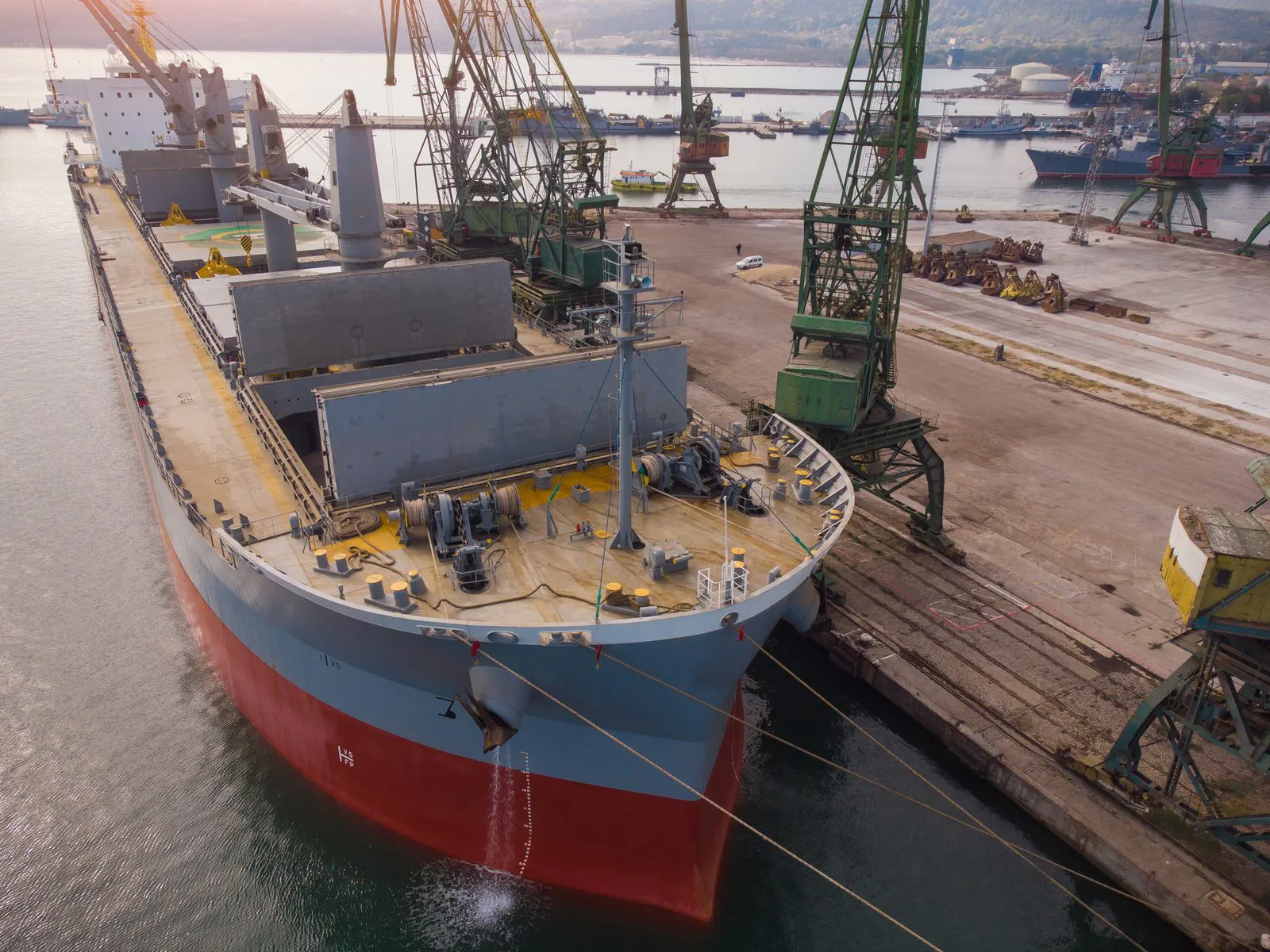
The commercial logic is the economics of scale in dry bulk. A port that can only handle partially laden capesizes pays a freight penalty on every tonne, because the ship still costs the same to operate whether or not it is full. Removing that constraint is intended to support the use of larger vessels, improve cargo-handling efficiency and reduce freight costs, which matters most for the coal, iron ore and fertiliser trades that dominate the port's throughput.
Kamarajar becomes the second Indian major port after Visakhapatnam to offer an operational draft of 18 m. That there are only two is the wider point. India imports very large volumes of dry bulk, and the depth limitation across most of its port network has meant cargo arriving in smaller parcels or being transhipped, both of which add cost that falls ultimately on domestic industry. Each additional deepwater berth changes the arithmetic for the trades that use it.
Kamarajar Port Limited awarded the Phase VI contract to Van Oord Marine Contractors BV in Mumbai on 24 October 2024 for INR 4.41bn, or $46.0m excluding goods and services tax, with completion scheduled for June 2026. Capital dredging contracts of this kind are unusually exposed to what is actually found on the seabed, and delivering to the original schedule on a project involving three separate channel and basin areas is a reasonable indication that conditions matched expectations.
The contractor is a family-owned business established in 1868 with operations spanning dredging, marine infrastructure and offshore energy. It generated revenue of 2.59bn euros and net profit of 110m euros in 2025, with an orderbook of 4.43bn euros and 6,299 employees representing 92 nationalities. An orderbook approaching twice annual revenue reflects how much dredging and marine construction work is currently committed worldwide, driven by port deepening of exactly this kind alongside offshore wind and coastal protection.