Panama Canal raises neopanamax draught to 49 feet and adds a daily slot
Ten neopanamax transits a day from 15 October lift capacity to 33 slots as Gatun Lake stabilises
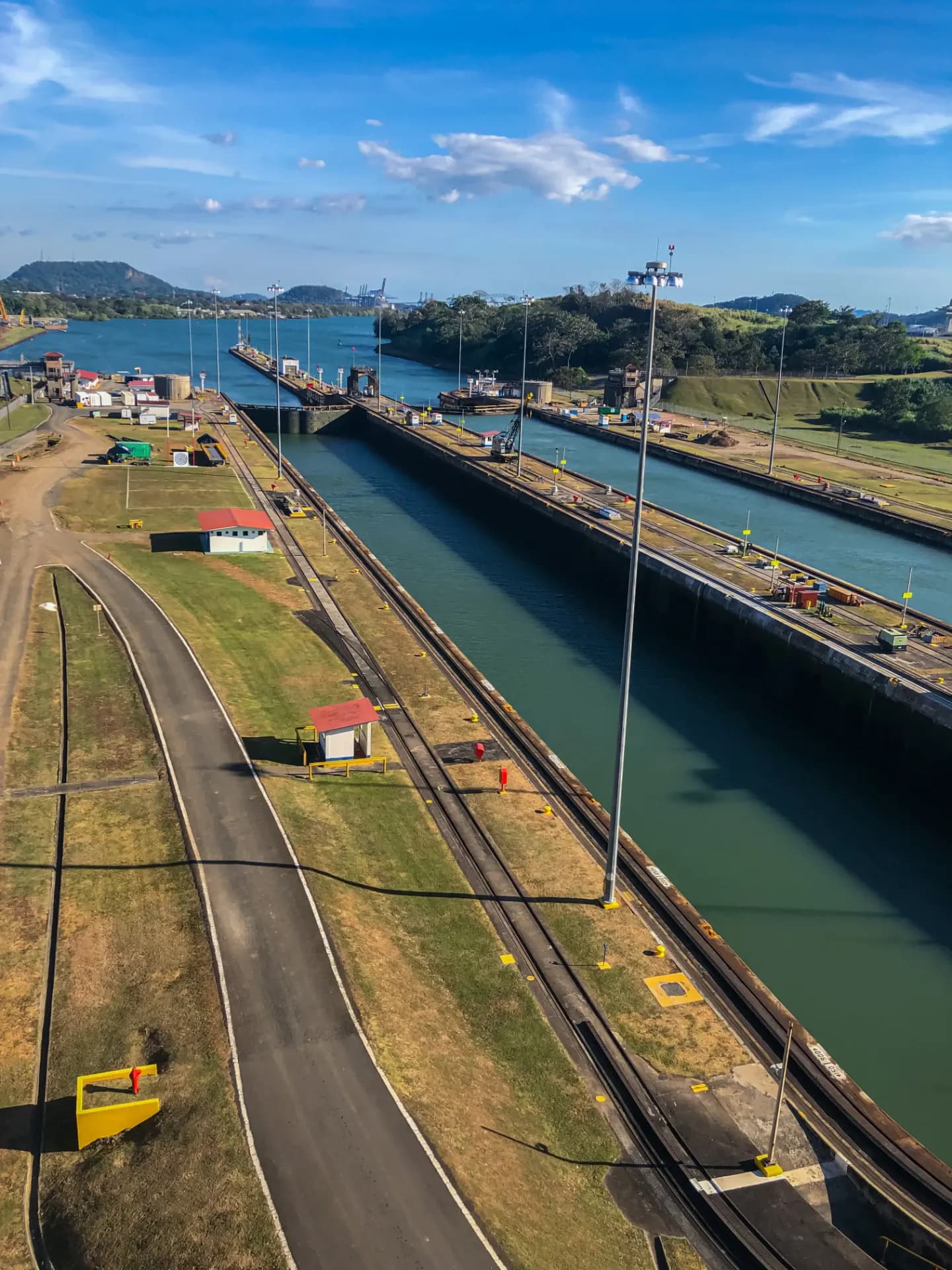
The Panama Canal Authority is easing restrictions it imposed over the summer to conserve water against an expected prolonged drought linked to a strong El Niño in the Pacific. It cites close to average rainfall in the watershed and the effect of water-saving measures at the locks.
The maximum authorised draught in the neopanamax locks returned to 14.94 metres, or 49 feet, with immediate effect from 28 September and until further notice. The canal had cut it to 48 feet and, in September, postponed a planned further reduction to 47.5 feet. The extra foot matters most to LNG carriers and the larger containerships that use the newer locks.
From 15 October the neopanamax locks will handle 10 transits a day again, one more than at present, after a slot was removed at the beginning of September. Based on present and projected levels in Gatun Lake, that gives a total of 33 daily slots across both sets of locks. The older panamax locks, cut from 25 to 23 daily transits on 15 September, stay at that level with a maximum draught of 39.5 feet.
Gatun Lake had held at around 84 feet at the start of September, rose to 84.5 feet and now stands at 84.7 feet. The authority projects it to remain fairly stable through October and to rise by as much as a foot during November. It stresses that it will keep monitoring rainfall and water levels, a shift from recent weeks, when it was warning that more restrictions might be needed.
The backlog at the canal is limited because nearly all vessels are booking transits in advance. Ships without a reservation risk delay, which has prompted some to divert to other routes, and record prices have been paid at the auctions for transit slots.
"While the water deficit continues in the Canal watershed, the Transit Reservation (Booking) System remains the only way to guarantee a transit date," the authority says in its advisory announcement. "Vessels without a reservation may therefore face indefinite delays."
This story is part of the Maritime Briefing of 4 October 2026.