USS Abraham Lincoln Reaches Thailand After 286 Consecutive Days at Sea
Photographs of the carrier alongside at Laem Chabang show extensive rust across parts of the hull
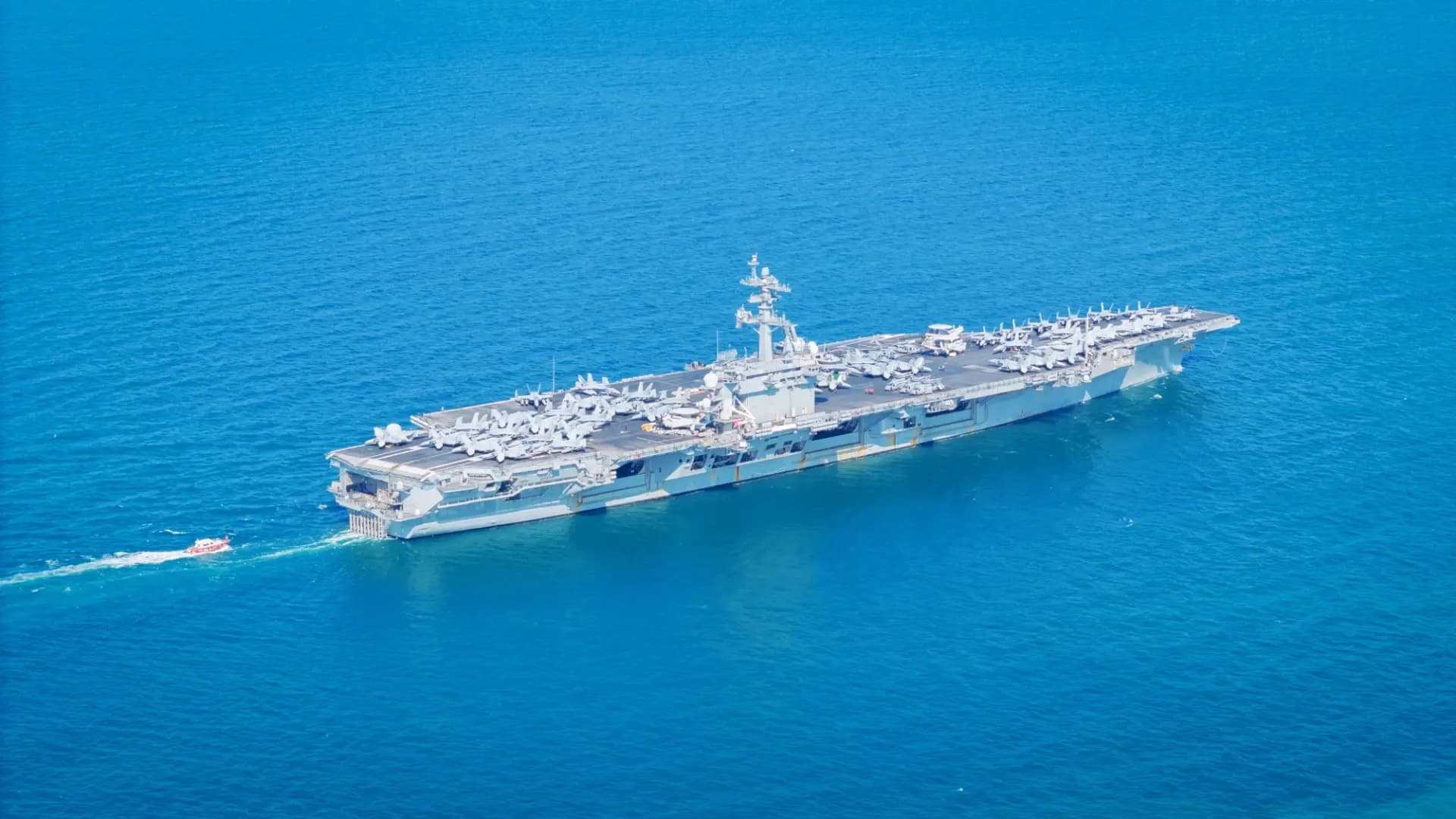
The nuclear-powered aircraft carrier USS Abraham Lincoln has arrived at Laem Chabang in Thailand after 286 consecutive days at sea, following an extended deployment that included combat operations connected to the war with Iran.
The carrier arrived on 2 September, visibly showing extensive rust and worn paint across parts of her hull. The appearance has attracted considerable attention, with photographs showing significant corrosion and weathering.
Rust is not by itself evidence that the ship is mechanically unserviceable. Naval vessels operating continuously at sea are exposed to saltwater, humidity and heavy weather, while routine preservation and repainting require access to maintenance facilities and enough downtime to do the work. Neither has been available.
What makes the deployment remarkable is its length. The carrier and approximately 5,000 sailors and Marines spent months away from a normal port visit, with the crew reported to have gone more than 260 days without a full shore stop. The deployment was extended as the United States conducted operations in the Middle East, placing heavy demands on both ship and personnel. Those demands have surfaced in reports of fatigue, mental health concerns and shortages of some supplies aboard, which Navy officials have acknowledged as strain while disputing some of the more serious characterisations of conditions on board.
Thailand offers the crew a chance to rest and the ship a chance to receive logistical attention after months of continuous operations. The carrier has now been relieved in the Middle East by USS George Washington, allowing her to begin the next phase of her deployment cycle and eventually return home for more comprehensive maintenance. Her departure from the theatre is covered in the end of the record deployment.
The arrival demonstrates both the strength and the vulnerability of American power projection. A nuclear-powered carrier can be kept operating for extraordinary periods, but doing so consumes maintenance capacity, spare parts, aircraft, weapons, fuel and manpower at a rate that has to be repaid afterwards. A strike group can remain at sea for months; a high-tempo cycle at that length transfers wear from the schedule to the hull and the crew.
The pattern is not confined to carriers. The US Navy's attack submarine force has spent 41 ship-years idle over the past decade waiting for yard capacity, a backlog described in the watchdog findings. Maintenance deferred at sea has to be absorbed by shipyards that are already the binding constraint on the fleet.