US Attack Submarines Have Spent 41 Ship-Years Idle Waiting for Shipyard Capacity
Fifteen more boats are set to enter inactive idle time between fiscal 2026 and 2030
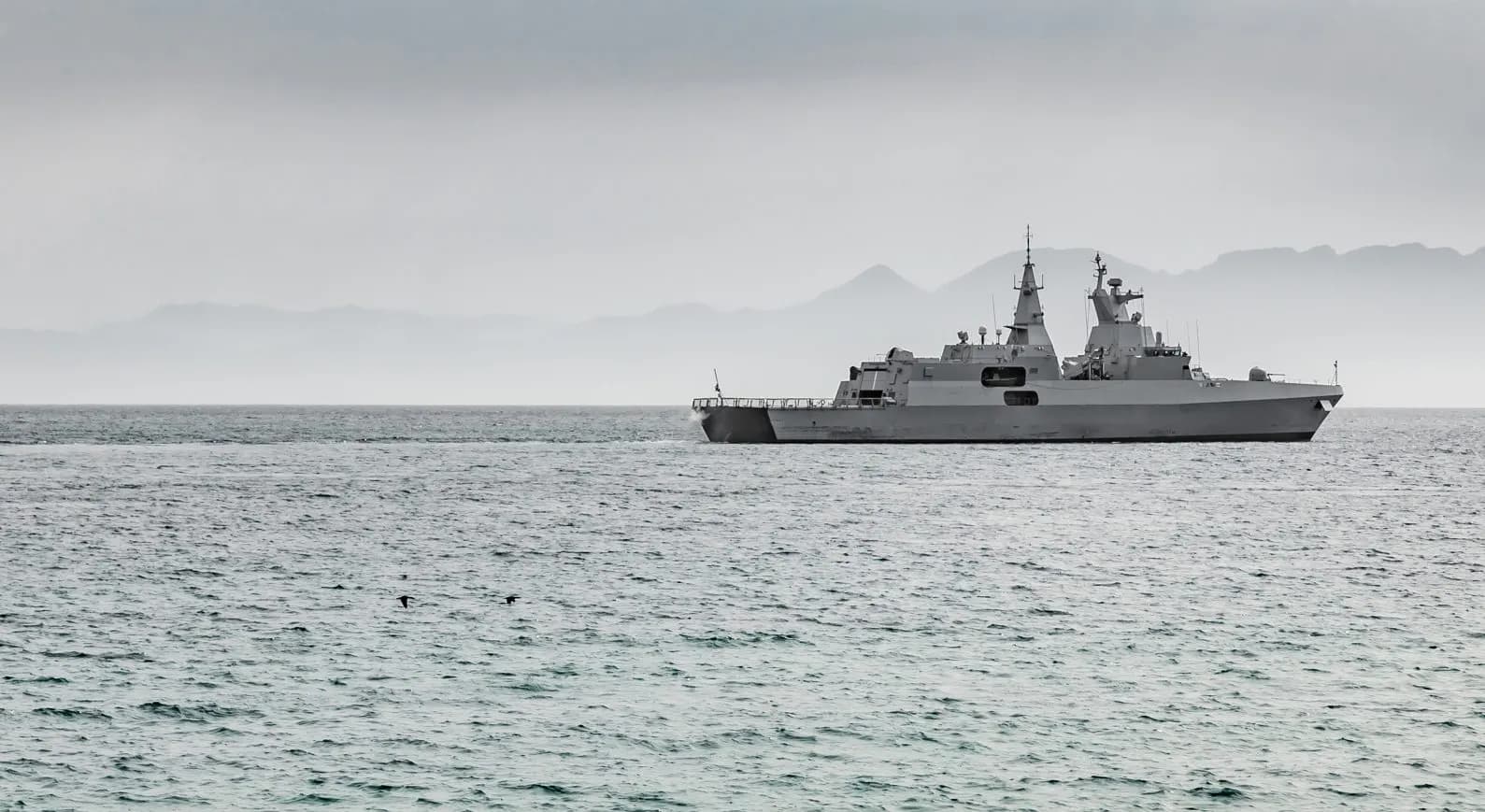
Maintenance delays have cost the US attack submarine fleet more than 41 years of time the boats could have been in operation, and the submarines waiting to be taken out of service could cost more than $3bn over the next five years.
The core problem is shipyard capacity. In a report issued on 27 August, the Government Accountability Office found that yards are simply overloaded with work, and used one boat to make the point. "The USS PASADENA entered inactive idle status on January 1, 2025 and is not expected to be inducted into Norfolk Naval Shipyard for decommissioning until November 15, 2028 (1,414 days) due to shipyard capacity constraints," the watchdog wrote. "During this time, the attack submarine is unable to be operational since its dive certification is expired, but is still fully crewed with sailors."
The Navy is using that inactive submarine to train crews, but the delay of nearly four years is costing about $300m in operating and support costs on the watchdog's analysis.
More than a dozen boats are on course for the same position. "Without mitigation, 15 attack submarines will enter inactive idle time from fiscal year 2026 through fiscal year 2030, during which time the Navy could incur more than 14,000 days of inactive idle time and $3.1 billion in costs to operate and support these inactive submarines," the report found. It added that the Navy "has not fully evaluated alternative options to more efficiently decommission attack submarines and develop and implement an inactivation plan that could allow them to reduce inactive idle time for crews and save billions."
The figures for work already done are equally blunt. Over the past decade the Navy spent about $3.3bn on idle Los Angeles-class boats and about $835m on idle Virginia-class boats, which works out at roughly $230,000 for every day a submarine sits pierside waiting to be worked on.
The report lands months after the Navy decided to decommission USS Boise, a Los Angeles-class attack submarine, despite having spent $1.6bn on repairs. Chief of Naval Operations Admiral Daryl Caudle told lawmakers last year that the situation was "unacceptable".
The GAO made two public recommendations: that the Navy find alternative options for decommissioning attack submarines, including defueling outside drydocks and reducing crewing for boats awaiting disposal, and that it create and execute a detailed plan to reduce inactive idle time. Two further recommendations were deemed sensitive. "The Navy, on behalf of DOD, verbally concurred with the recommendations in this report, but did not provide written comments," the GAO noted.
The commercial read is about capacity rather than about submarines. Yard slots consumed by decommissioning work are slots unavailable for repair and conversion, at a moment when American yards are already stretched and Washington is looking abroad for capacity, as set out in the race between HD Hyundai and Hanwha for US naval shipyards. Allied yards are running against the same ceiling, with South Korea's big three operating above their rated capacity.