US Night Convoys Move 10 Million Barrels a Day Through the Strait of Hormuz
Tankers are being run along a southern route off Oman under air cover, at roughly half pre-war volume.
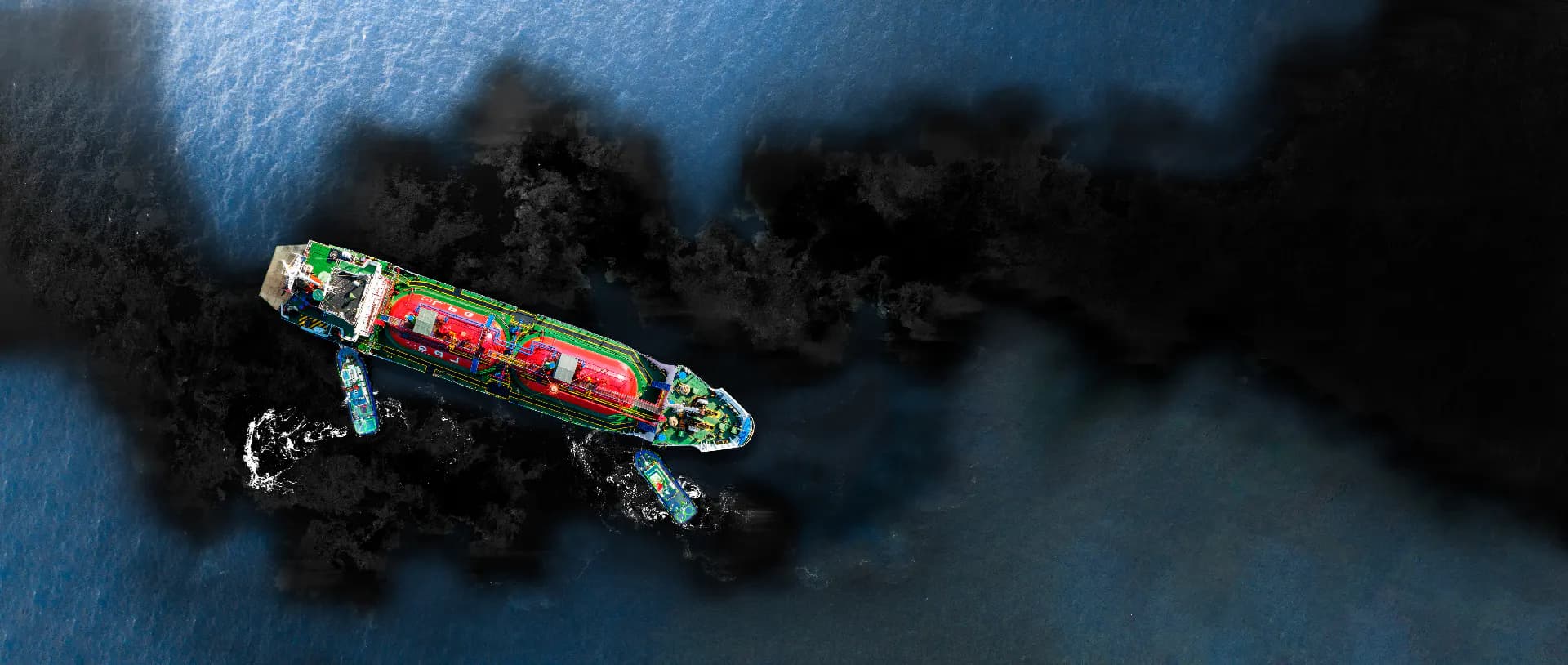
US military forces have established a working shipping route through the Strait of Hormuz, moving oil out of the Gulf at night along a southern track that hugs the coast of Oman.
The arrangement exists inside an unresolved dispute over the waterway's status. President Donald Trump declined to extend the ceasefire with Iran, which has now expired, and has said the strait remains open. Iran maintains it is closed to commercial shipping. Neither position has stopped the cargoes.
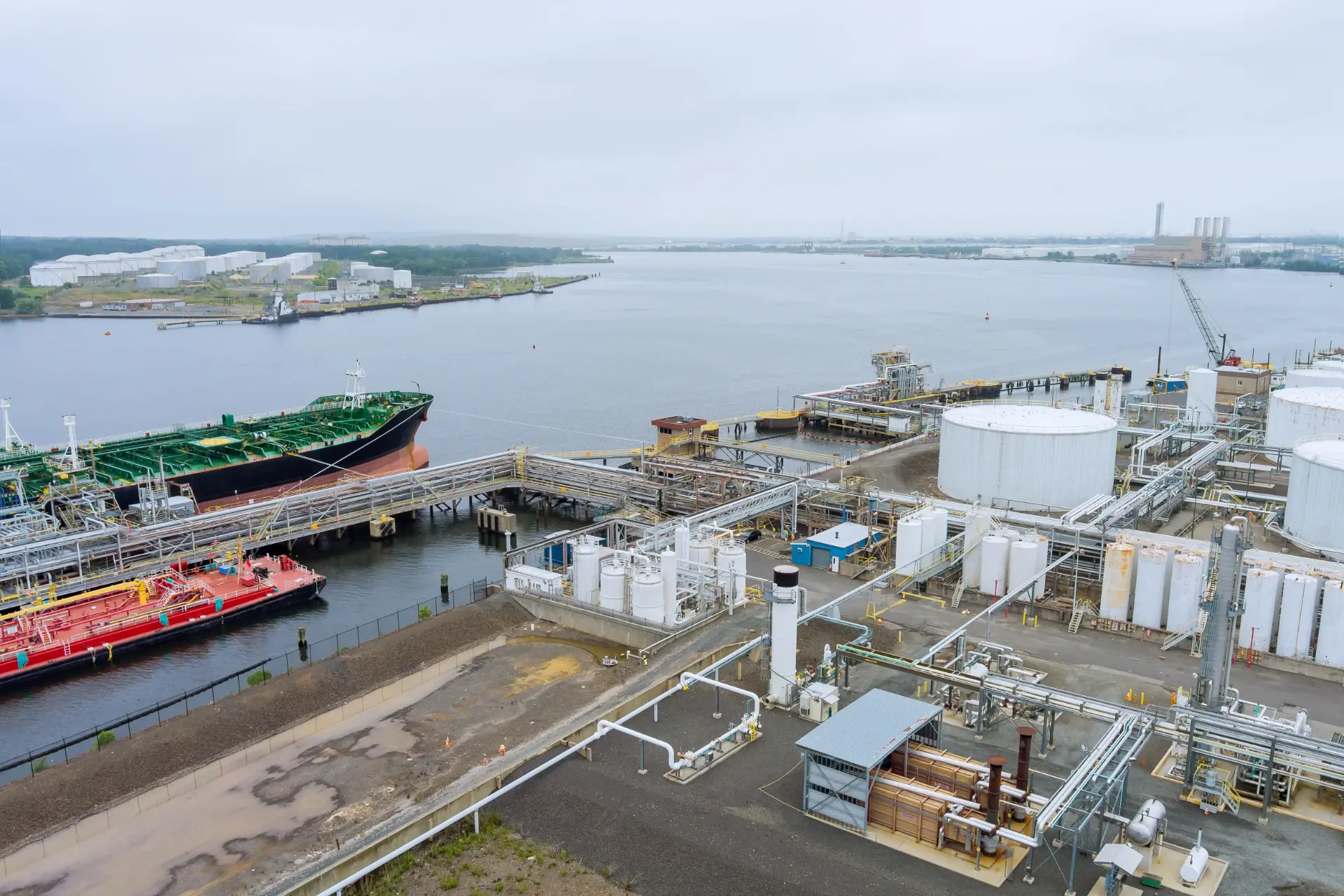
US Navy officials put the traffic at 15 to 20 tankers entering and leaving the strait each night over the past few weeks, carrying around 10 million barrels of oil a day. That is roughly half the pre-war volume, and on some days the figure has reached 20 million barrels. Empty tankers are also being assisted inbound from the Arabian Sea to load at Gulf terminals before returning through the strait.
The operation became feasible after US strikes damaged Iran's principal radar and surveillance installations. Iranian ability to monitor shipping in the strait is now limited to a small number of Islamic Revolutionary Guard Corps boats and a few restored radar sets, which is what makes a night transit along the southern side survivable.
Coordination runs through a task force at Army headquarters at Fort Bragg, North Carolina, working with Gulf allies. Ships are sorted into inbound and outbound convoys and taken through under US surveillance and direction. Air Force assets provide cover against Iranian drones and cruise missiles as the convoys clear the strait in darkness. Iran has fired missiles and drones at a small number of ships; those were intercepted.
The strait carries about one-fifth of the world's oil and gas supply, and its closure was the single largest commercial consequence of the conflict. The convoy system has substantially eased that, without settling the legal question of who controls the water or removing the risk that any individual transit runs. It is a workaround holding the price of crude in place, not a resolution.
The pattern sits alongside the covert crossings and ship-to-ship transfers that Gulf producers have used through the same period, and both depend on conditions that could change with a single decision on either side.