US Navy Takes Delivery of Its Final Expeditionary Sea Base
ESB-8 closes out a class derived from the Alaska-class VLCC hull built for Valdez crude
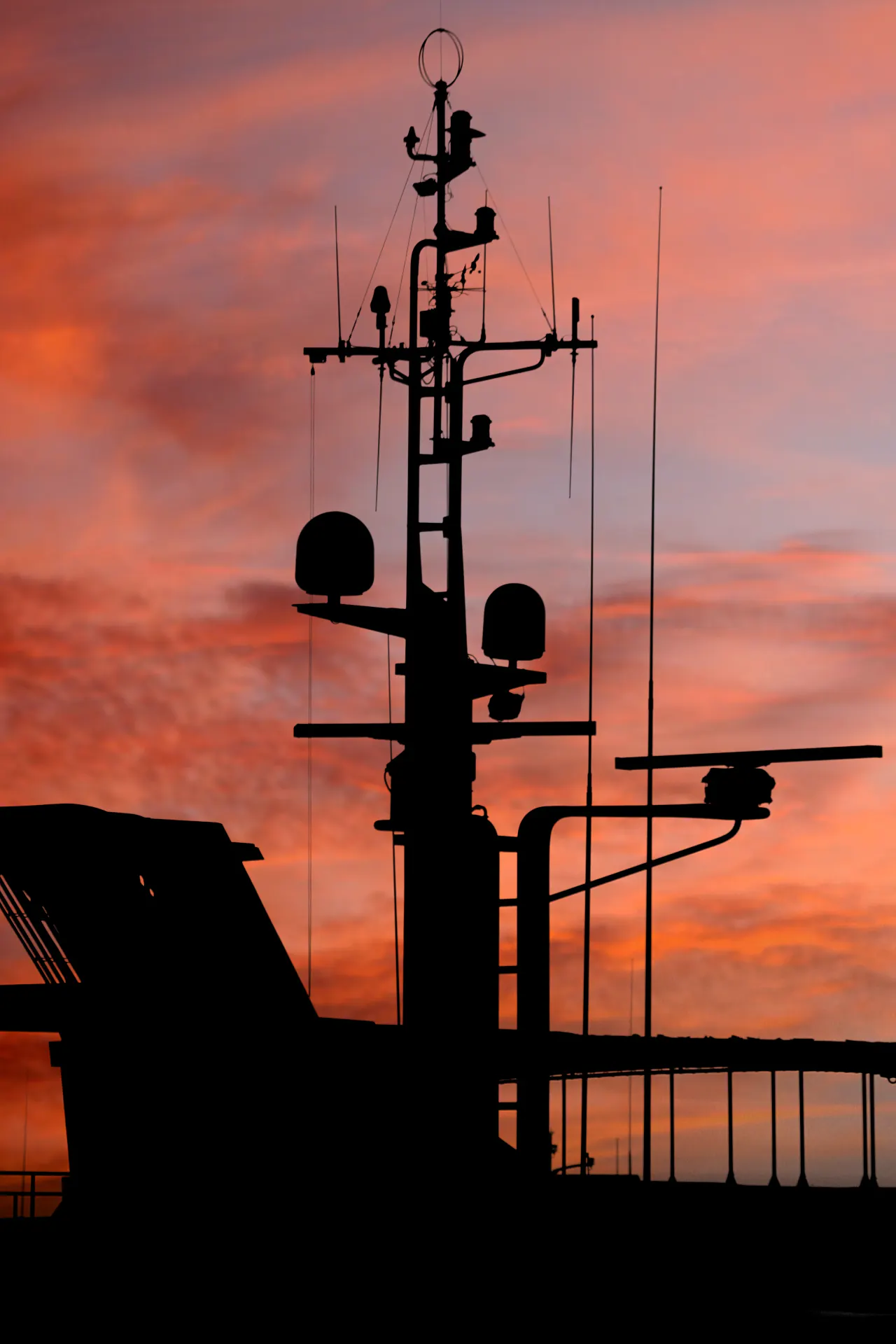
The US Navy has taken delivery of its final expeditionary sea base, USS Hector A. Cafferata Jr. (ESB-8), closing out a class that began life as a commercial tanker design.
The ESBs are a modified variant of the Alaska-class, the VLCC design built by NASSCO in the mid-2000s for BP's Valdez crude trade. The class was built from the outset with dual, fully redundant engine rooms and diesel-electric propulsion to minimise the odds of a blackout, a level of survivability that maps closely onto military design requirements.
With the freeboard cut down amidships and the cargo tanks replaced by a flat deck, the Alaska-class hull first became the two-ship Expeditionary Transfer Dock series. Both of those vessels have since been placed in reduced operating status, and the Marine Corps recommended permanent retirement in 2022.
They were succeeded in series production by the Expeditionary Mobile Base, identical in hull form but with a raised helideck, a forward hangar bay above the main deck and additional features to support special operations. The ships were originally conceived as civilian-crewed support vessels; in 2020, recognising their potential in combat support, the Navy commissioned them into military service. Cafferata is the sixth of the design to be commissioned.
ESB 8 capabilities demonstrated during sea trials highlighted the power and flexibility of this ship and we are excited to have another ESB in the fleet, said acting sealift program manager Jon Thomas. This delivery demonstrates the unwavering commitment to provide superior quality to the warfighter. Our ESBs are critical to maritime operations, providing logistics support from sea to shore for a broad range of military operations.
The ship is named for Private First Class Hector A. Cafferata Jr., who received the Medal of Honor for actions at the Battle of Chosin Reservoir in 1950, when he held a position for five hours alongside a wounded fellow Marine. He was awarded the medal by President Harry Truman in 1952 and died in 2016.