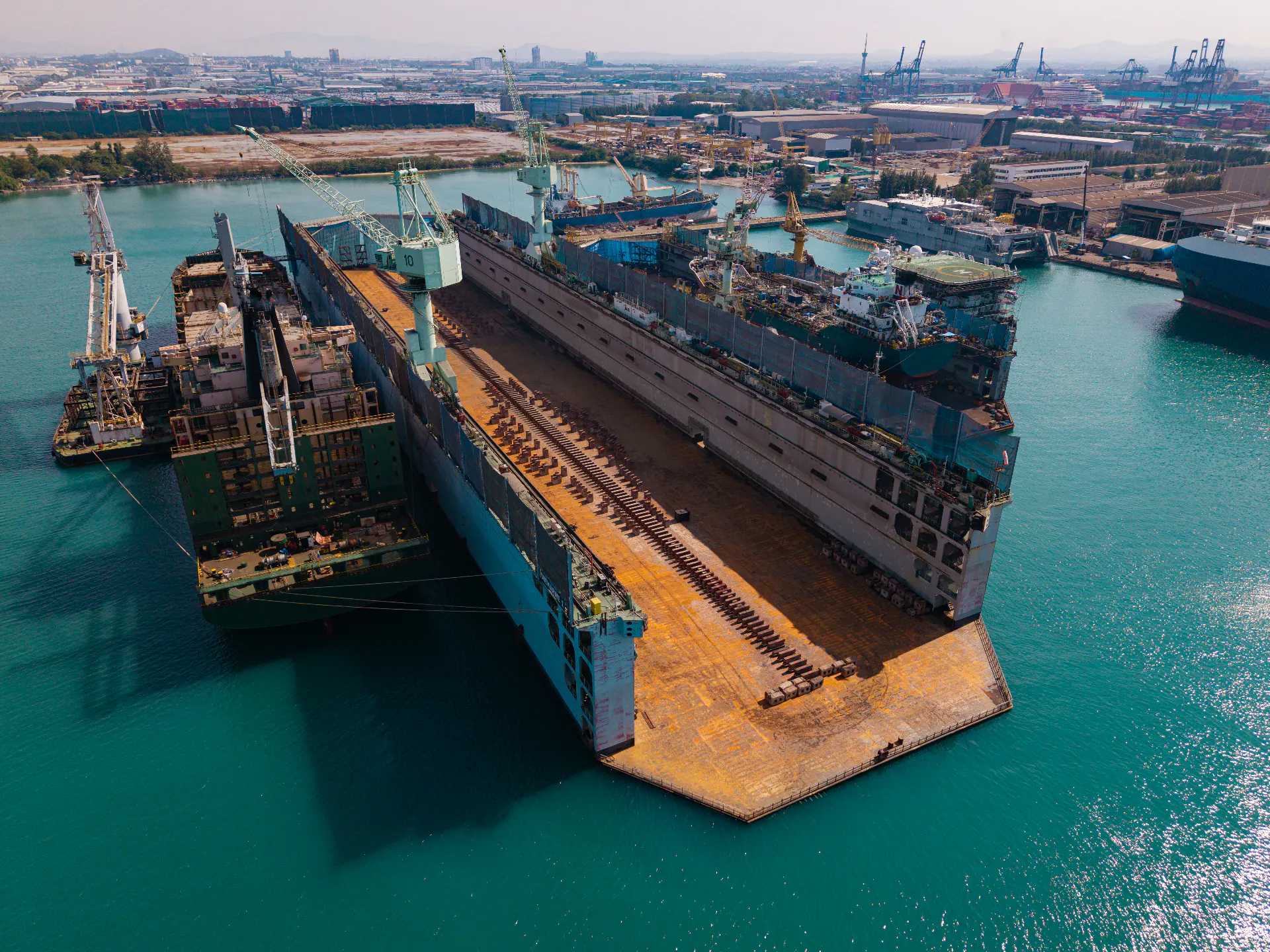
Washington Moves to Revive Prize Courts for Seized Merchant Vessels
The Justice Department is looking at proceedings in the Southern District of Texas
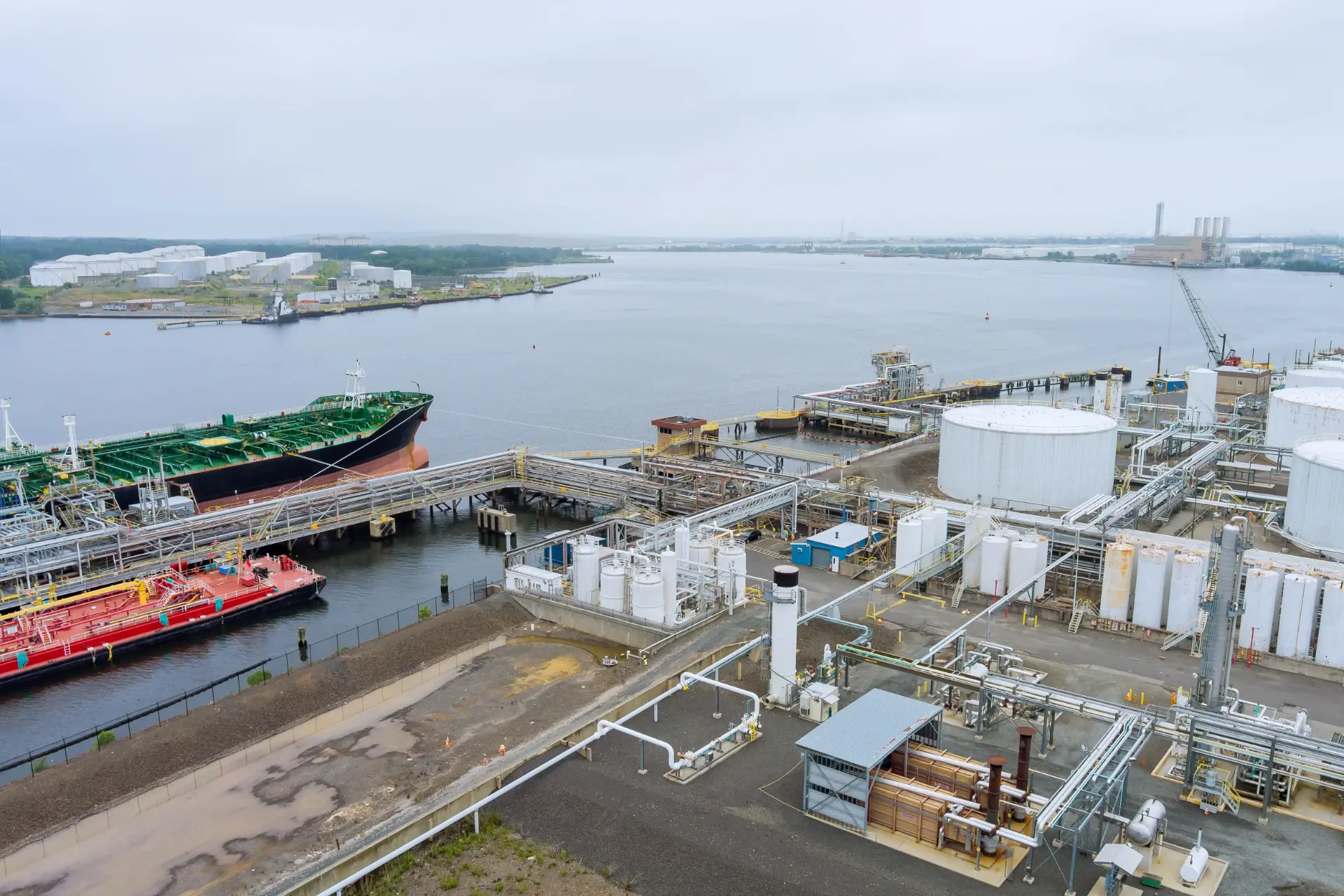
The United States administration is moving to reestablish a nineteenth-century maritime institution that has fallen into disuse: the prize court, a special-purpose tribunal for speedily determining the legality of the seizure and forfeiture of an enemy merchant vessel.
The American legal framework for a prize court has not been tested since the Second World War, and was only rarely used after 1900. The administration sees it as a way to circumvent the delay-prone appeals process of the civil court system.
The institution dates to the Age of Sail and the contests between colonial powers, when blockades and militarily-aligned merchant shipping were part of the everyday business of warfare. The court is convened in a belligerent state's seaport when a captured merchant ship is brought in. If the ship meets the standard for a prize, the court transfers ownership of the vessel, and any contraband cargo, to the belligerent state.
International law places limits on the practice. To be eligible for capture, a vessel must be doing one of six things: carrying militarily-useful goods towards enemy territory; transporting enemy servicemembers; operating under enemy control or charter; using fake documents; violating regulations near naval activity; or attempting to run a blockade. Recent US ship seizures connected to its Venezuelan and Iranian blockades appear to satisfy several of these conditions, and a number of legal experts have advocated taking advantage of prize court procedure.
The Department of Justice is looking to set up prize court proceedings in the Southern District of Texas, located in Houston, a natural destination for seized tankers given its midstream infrastructure. US Attorney for the Southern District Aaron Reitz confirmed that his office is involved in the effort.
The advantage of prize authority lies in its streamlined proceedings, which limit the ability of third parties to intervene. In a civil forfeiture suit, other parties with potentially valid claims to the value of a vessel — for example, families of victims of Iranian terrorism, who can lay personal claim to forfeited Iranian assets under US law — can file their own demands and slow progress towards a final judgement.
The delay carries a running cost. Insurance, wages, maintenance and fuel for a captured vessel continue to accrue for the federal government throughout, which makes a swift sale the most economic route for vessel and cargo seizures.