US icebreaker Healy suffers engine casualty on sea trials
The United States Coast Guard icebreaker Healy suffered a significant engineering casualty during post-refit sea trials off the Washington coast, and was towed back to her homeport in Seattle on 13 July. No injuries were reported. The 420-foot cutter was operating northwest of Port Angeles when the casualty occurred. Position data showed her conducting high-speed trials at more than 20 knots before slowing to around 2 knots and stopping, after which a tug brought her home.
Commandant Admiral Kevin E. Lunday said the crew acted with speed and skill in responding, and used the incident to press the case for expanding the American icebreaker fleet. He said the casualty underscores the importance of building and delivering a modern fleet rapidly, describing the United States as an Arctic nation with enduring security, economic and strategic interests in the region, and arguing that year-round access is needed to protect the northern border in Alaska and the maritime approaches beyond it.
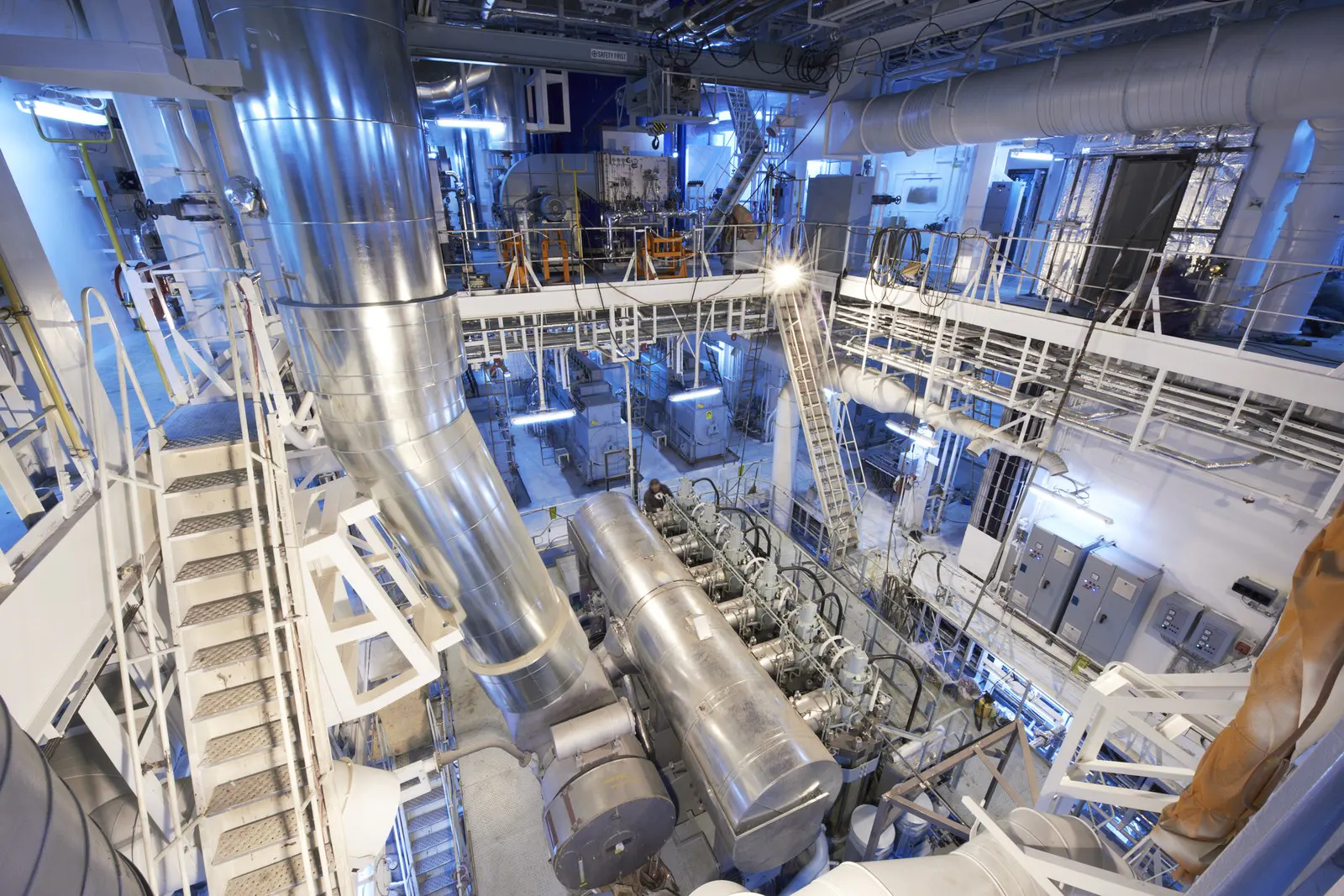
The service has not disclosed the cause or the extent of the damage. Accounts from people familiar with the incident indicate a crankcase explosion in one of the ship's engines during the trials that followed her recent shipyard period, with the affected engine room taken offline and a tug dispatched as a precaution. The coast guard has not confirmed those details. The consequences of such an event vary widely: minor cases require inspection, cleaning and replacement of damaged parts, while more serious ones can distort the engine frame or crankshaft, start secondary fires and require extensive repair or a full engine replacement.
Healy is powered by four medium-speed diesel generators arranged in two separate engine rooms divided by a fire-resistant bulkhead, a layout that allows each room to operate independently and provides redundancy if one becomes unavailable. Modern marine diesels are also fitted with crankcase relief valves intended to vent pressure during an internal explosion and limit damage. Whether either system played a part has not been stated. Commissioned in 1999, the vessel supports scientific research, Arctic domain awareness and national security operations, and has become more important as commercial activity and strategic competition in the region grow. She suffered a propulsion motor fire during an Arctic deployment in 2020 that ended that year's mission, and a further fire in August 2024 cut short another patrol.
The timing is awkward for a service already stretched in the Arctic. The cutter Storis, commissioned in August 2025, remains deployed, and the cutter Munro recently monitored two Chinese research vessels transiting north through the American exclusive economic zone in the Bering Sea. Funding of nearly 15bn dollars has been allocated for new assets including the Arctic Security Cutter programme, whose first four medium icebreakers will be built in Finland before production shifts to American yards, with the first expected by the end of 2028. The separate Polar Security Cutter programme continues to slip, with first delivery now projected for March 2033. Healy will remain in Seattle while investigators establish the cause.