Bulk carrier Miro G driven ashore at Lit-et-Mixe after storm drags her anchors
Nineteen of 22 crew were airlifted from the Maltese-flagged Handysize as France weighs a refloat with 100 tonnes of diesel aboard
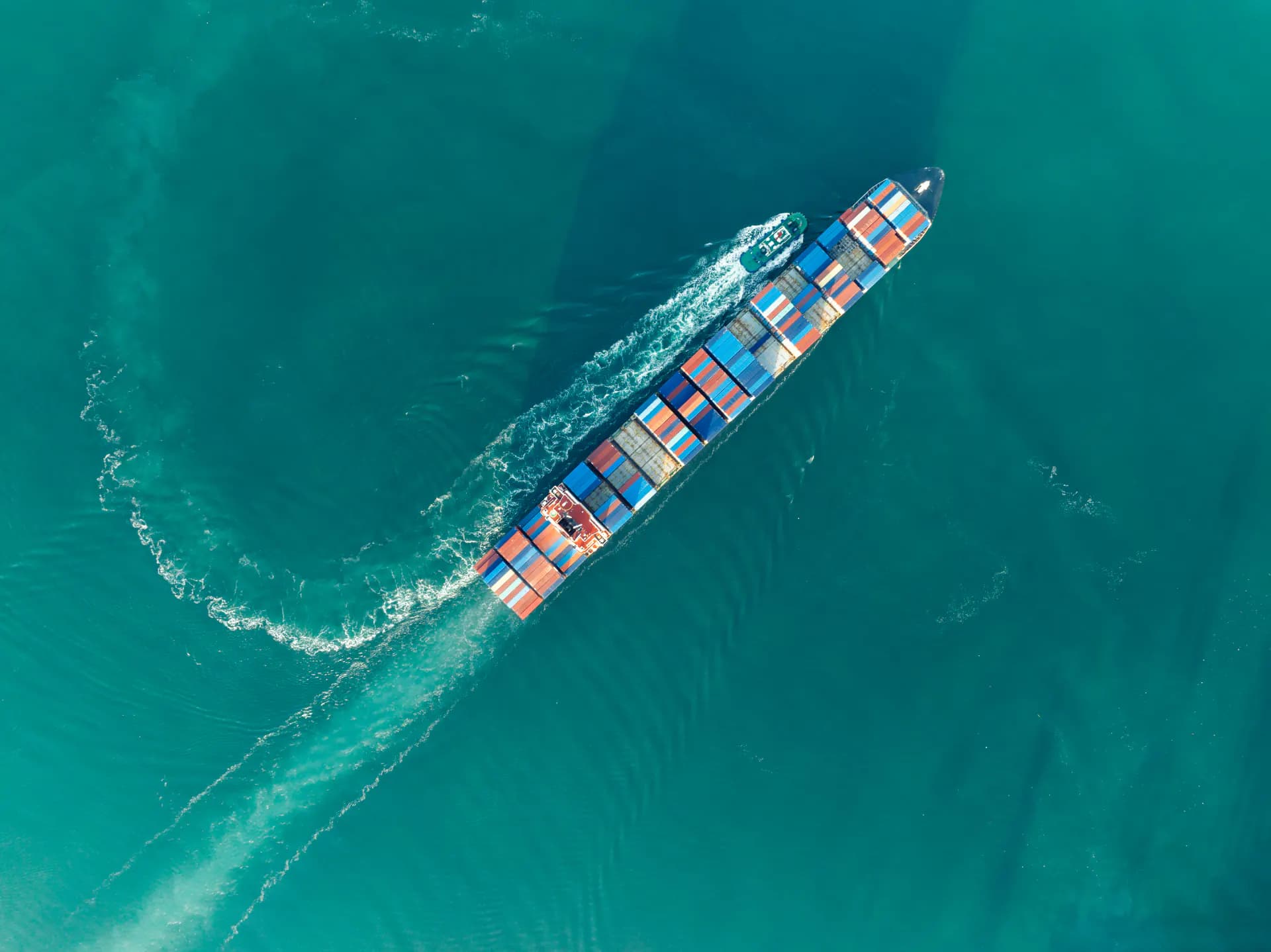
The Maltese-flagged Handysize bulk carrier Miro G grounded on the beach near Lit-et-Mixe, in the Landes department of south-west France, shortly after midnight on 20 November after dragging her anchors in a storm. A French Air and Space Force helicopter from Cazaux lifted 19 of the 22 crew off. The master and two others stayed aboard to work with the authorities on a salvage plan, and two seafarers suffered minor injuries during the airlift.
The Greek-owned ship, built in 2011, is 169 metres long and about 28,200 dwt. She was in ballast, having discharged in Spain earlier in the month, and was heading for Rouen to load about 30,000 tonnes of wheat for Libya.
How did she end up on the beach?
On Thursday evening the crew told the CROSS Étel rescue centre that they were struggling to manoeuvre in heavy swell and strong crosswinds. Winds were steady at about 26 knots with gusts to 48 knots, at sea state 6 with waves of 4 to 6 metres. The ship dropped her anchors about 1.8 nautical miles offshore in an attempt to stop her drift, but they would not hold and she was pushed onto the shore. The master then asked for the crew to be taken off.
Can she be refloated?
The Atlantic Maritime Prefecture activated level 3 of the ORSEC maritime emergency plan and the Franco-Spanish Biscaye plan, which coordinates rescue and pollution response in the Bay of Biscay. The French emergency towing vessel Abeille Bretagne sailed from Brest and the Spanish rescue tug Sar Gavia came from Bilbao. A French Navy evaluation team was flown aboard to assess whether the ship can be pulled free, and a Falcon 50 surveillance aircraft found no sign of pollution on its first pass.
The ship has more than 100 tonnes of diesel on board. One option under study is to pump fuel off to lighten her before towing her into deeper water, but waves of five to six metres and difficult access to the beach complicate the work, and the authorities have said they are concerned she could capsize in the swell.
The prefecture has formally instructed the owner to take the measures needed to remove immediate and future dangers and to limit any environmental damage. As of Friday no pollution had been detected.
This story is part of the Maritime Briefing of 22 November 2026.
Ships in this story