United States Sends Seized Shadow Fleet Tankers For Demolition
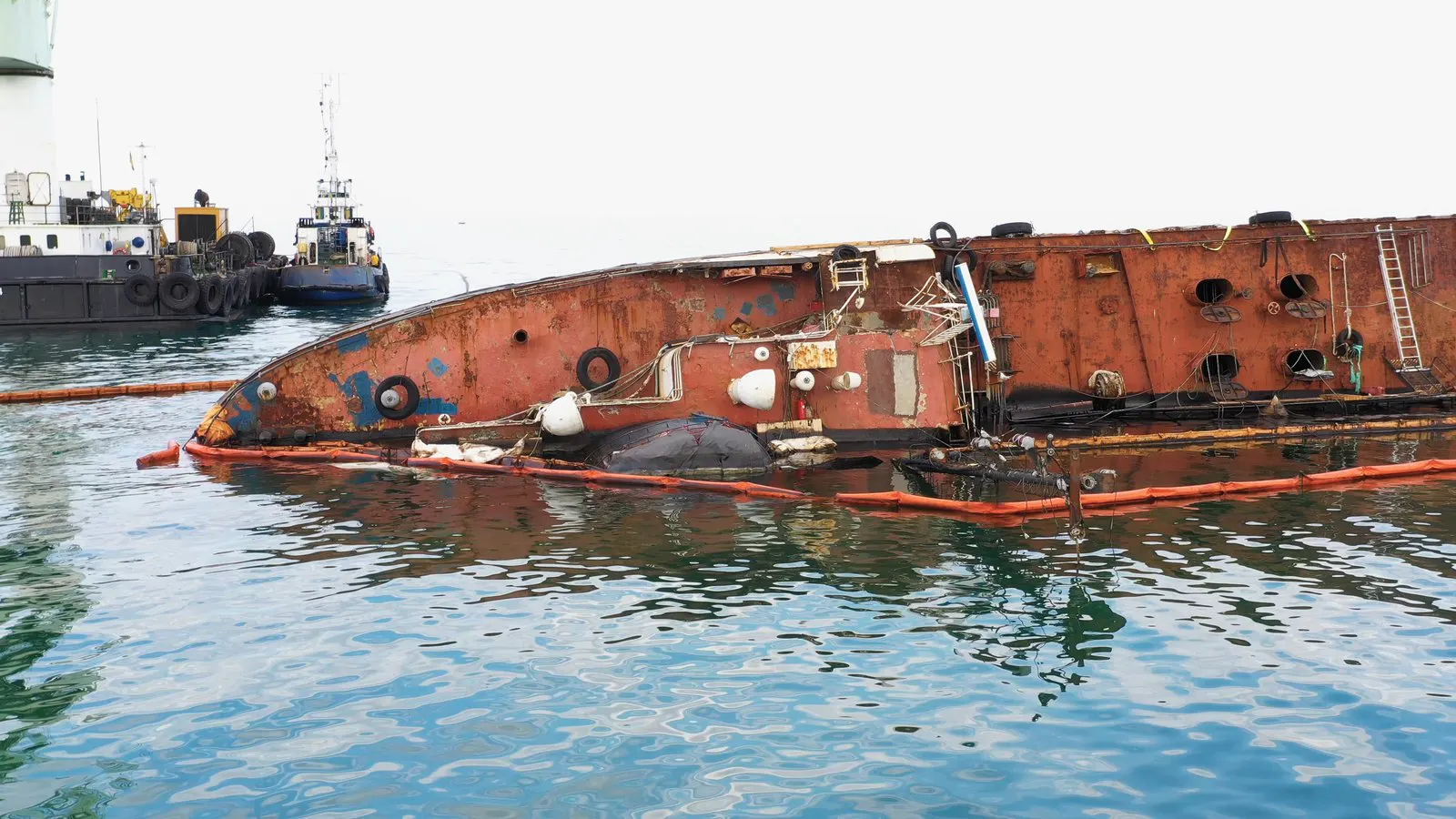
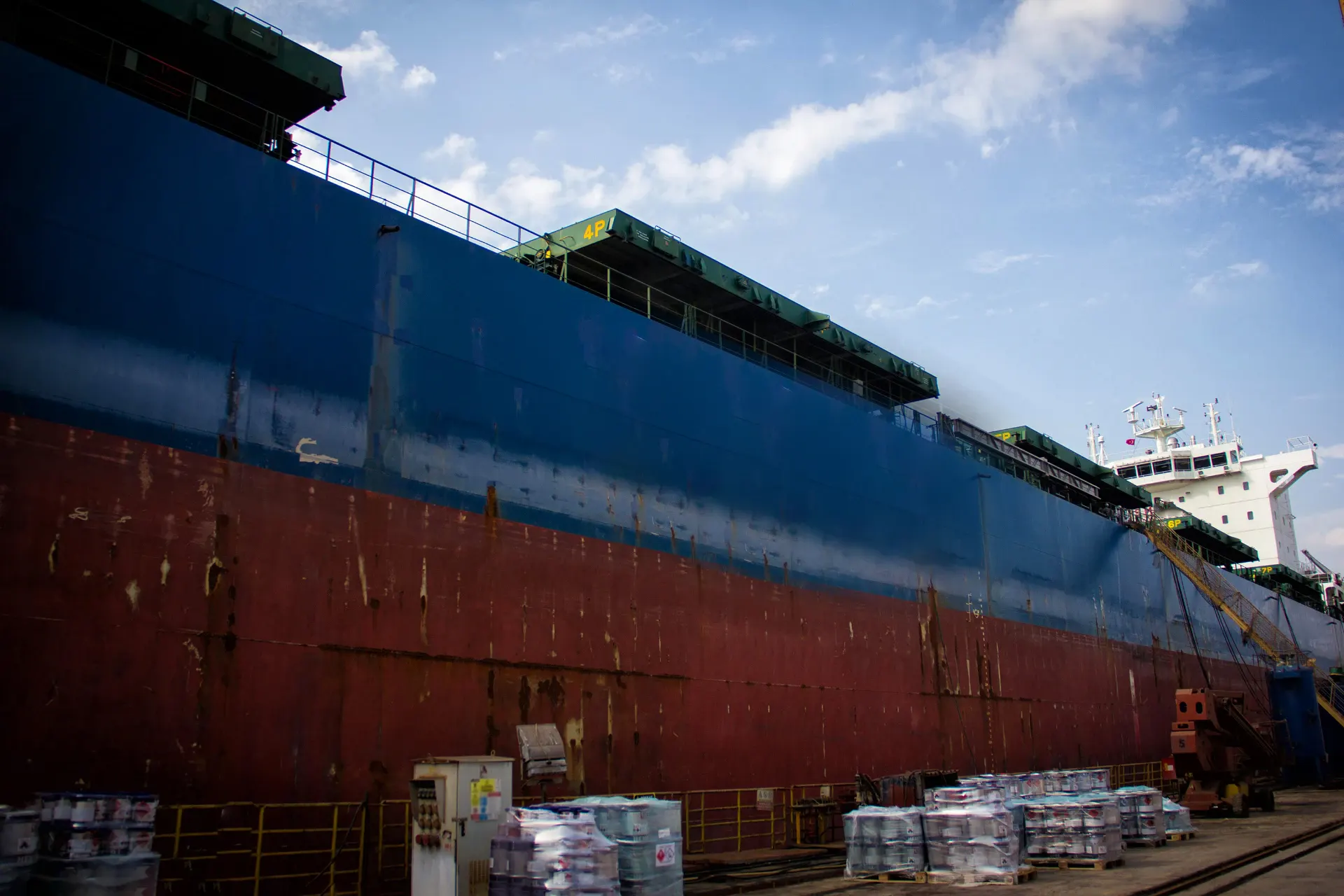
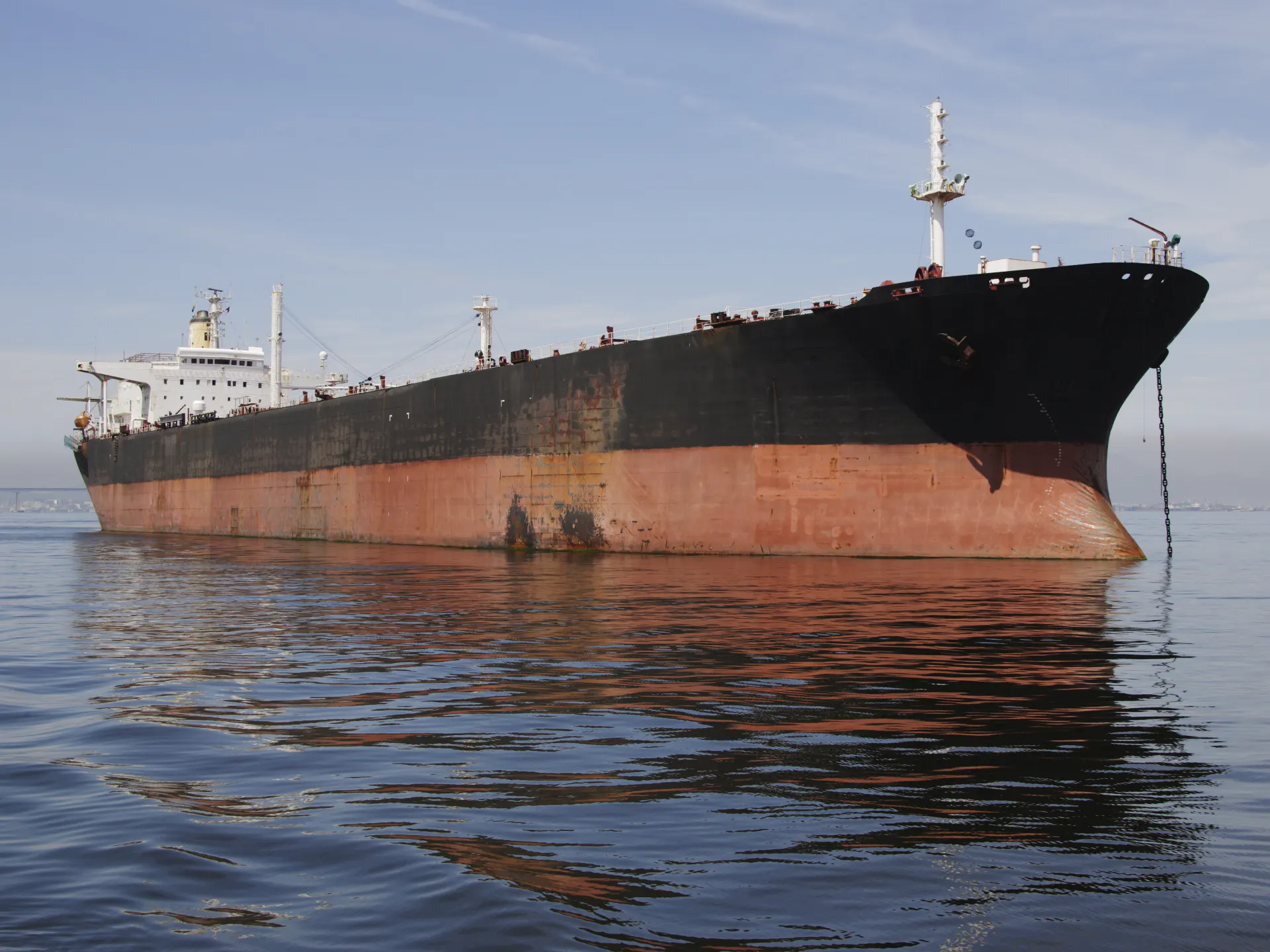
The United States has begun sending ageing tankers seized in its campaign against sanctions-busting oil trades to demolition rather than allowing them back into circulation, in a step that changes the economics of the enforcement effort for the vessels' operators. The ships involved are linked to the networks serving Russian, Iranian and Venezuelan crude exports.
The shift matters because of what usually happens to a seized ship. Interdiction has historically ended with a cargo confiscated, a vessel released after a period of detention, and the same hull returning to the same trade under a new name and a new flag within months. A tanker in her twenties has little residual value in a compliant market but retains considerable value in a trade that will not scrutinise her, and the operators have relied on that asymmetry. Scrapping the hull removes it permanently.
The approach also reflects a practical problem. A seized tanker is an expensive object to hold. She requires a crew or a watch, insurance, a berth, and maintenance sufficient to keep her from becoming a pollution incident, and a government that has taken possession of one has assumed all of those costs with no revenue against them. Selling her risks the vessel returning to the same trade through an intermediary; scrapping her converts a liability into a modest recovery and closes the question.
The wider context is a campaign that has become steadily more physical. Sanctions enforcement began as a documentary exercise conducted through designations, insurance and financial restrictions, on the theory that a vessel unable to obtain cover or banking would be unable to trade. That theory has been tested to destruction over four years, as the designated fleet grew past several hundred hulls and continued to move oil using unregulated insurance, opaque ownership and registries willing to issue documentation without asking questions. Boarding ships and scrapping them is what remains when the paper measures have been exhausted.
The constraint is arithmetic. The shadow fleet is now measured in the high hundreds of vessels, and physically seizing tankers is slow, legally contested and resource-intensive in a way that adding names to a list is not. Removing a handful of hulls a year does not materially reduce a fleet of that size, and every seizure carries the risk of a confrontation at sea with a state-linked operator. What scrapping does achieve is to raise the expected cost of getting caught from a temporary inconvenience to the loss of the asset, which is the first time this enforcement effort has threatened anything the operators cannot replace cheaply.