Malaysia says it cannot police shadow fleet transfers as Iranian oil offshore runs low
About 9 million barrels moved ship to ship off Malaysia in September; some tankers have shifted north towards Hong Kong
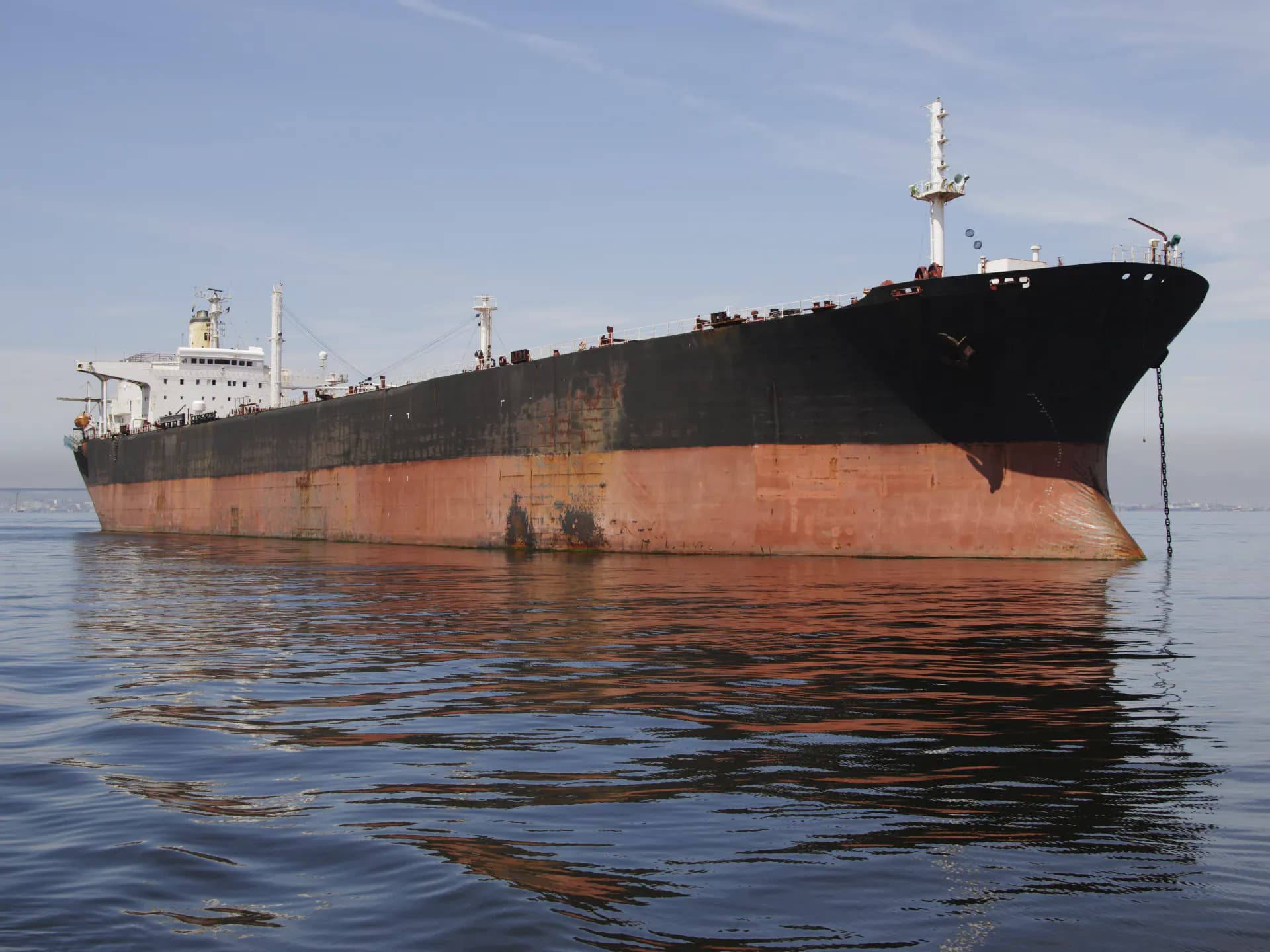
Malaysia's transport minister Anthony Loke has rejected the idea that Kuala Lumpur is responsible for stopping shadow fleet ship-to-ship transfers in the Eastern Outside Port Limits, the anchorage area off the country's southeast coast. Speaking at Malaysia Maritime Week 2026, Loke said Malaysia strictly regulates transfers inside port limits but faces clear limits outside them. "Anything off port limits, of course, we cannot enforce beyond our jurisdiction," he said. "If anything happens within our borders, within our boundaries, every action will be taken."
The area has for years served as a storage and transfer hub for Iranian crude bound for China. United Against Nuclear Iran (UANI), which tracks the trade, estimates that about 9 million barrels of Iranian crude changed hands there in September, drawing down cargoes stored before the US naval blockade took effect. It puts the remaining Iranian crude in floating storage in the area at no more than about 10 million barrels.
Why is the stockpile not being replaced?
According to UANI, no Iranian crude has crossed the declared US blockade line since 14 July. Satellite monitoring showed no crude loadings at Iranian export terminals in September; the limited loading activity that took place involved LPG, naphtha and fuel oil. Three Handymax tankers crossed the line during the month with about 1.52 million barrels of LPG and methanol, equal to 50,789 barrels a day. Measured at the blockade line, Iranian exports fell from 966,133 barrels a day in July to 49,677 in August.
UANI counted eight ship-to-ship transfers in the anchorage in September, six involving Iranian crude and two involving LPG. The crude went to Chinese independent refiners.
Where are the tankers going?
Malaysian authorities carried out targeted enforcement around the anchorage shortly before a UANI field visit in September. At least 25 tankers of the so-called ghost fleet left the area afterwards, while about 20 stayed. Some appear to have moved their operations north: the Iran-flagged tanker Hilda I carried out a transfer of Iranian crude south of Zhuhai on 17 September, and Happiness I another south of Hong Kong on 22 September. Other ships moved to anchorages further north in the South China Sea.
The Iranian fleet is also spread more widely. At the end of September, 20 empty Iran-flagged tankers were loitering off Sri Lanka after leaving the Galle anchorage, and another tanker, Diona, was in deep water off Duqm, Oman. The ships cannot return to Iranian ports because of the blockade.
Exports from other Gulf producers have moved the other way. Crude exports from the major Middle Eastern producers averaged 18.3 million barrels a day in the last seven days of September, the highest since the conflict began in February, led by Saudi Arabia and the UAE. Some of those tankers crossed the Strait of Hormuz with AIS switched off, which made the recovery harder to measure.
This story is part of the Maritime Briefing of 9 October 2026.