Undelivered Tanker Locks In Thirty-Nine Million Dollars Of Charter Revenue
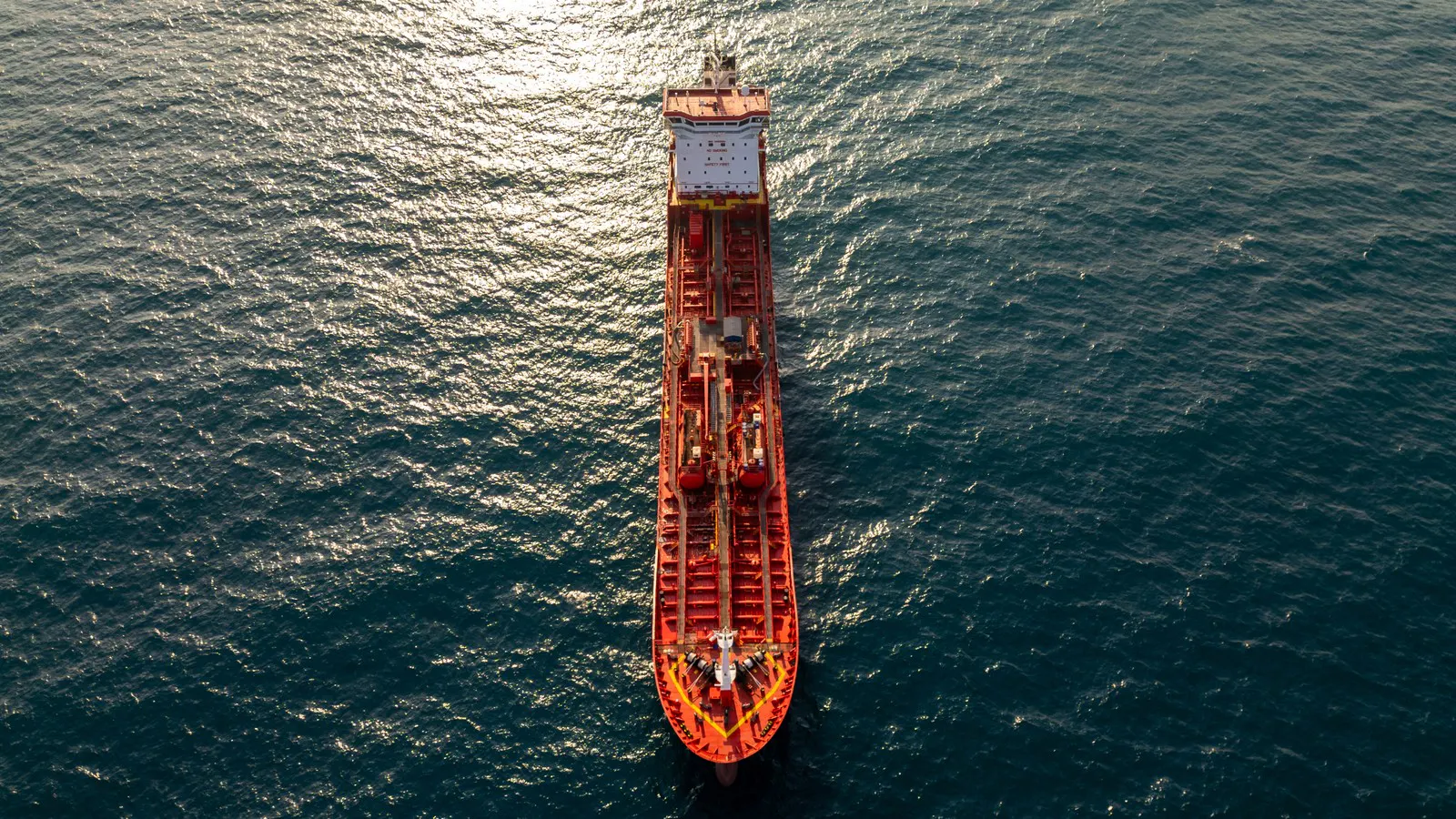
A very large crude carrier still under construction has been fixed on charter at a net rate of about 105,700 dollars a day for twelve to fifteen months, securing close to thirty-nine million dollars of revenue before the ship has been delivered. The fixture lifts the average rate across the owner's first two vessels of this type to roughly 101,000 dollars a day.
Chartering tonnage that does not yet exist is a sign of a market where charterers fear they will not find a ship when they need one. In a comfortable market a charterer waits, inspects the vessel on delivery and negotiates against alternatives. In a tight one they commit early and pay a premium for certainty, accepting the risk that the yard delivers late or that rates fall before the charter begins.
The rate itself sits far above the level at which a very large crude carrier is conventionally considered profitable, which for a modern vessel is generally put in the low tens of thousands of dollars a day. At 105,700 dollars the ship earns back a meaningful fraction of its construction cost within the first charter period, which changes the investment case from a twenty-year proposition to something considerably shorter.
The asset market has adjusted accordingly. Modern secondhand vessels of this type have been selling above one hundred million dollars, and five-year-old ships are now reported to be worth more than newbuildings. That inversion is the clearest available signal of scarcity: a buyer paying more for a used ship than for a new one is paying for immediate availability, because a newbuilding ordered today arrives years from now.
Inversions of this kind have historically marked the top rather than the beginning of a cycle, since they encourage exactly the ordering that eventually ends the shortage. The complication this time is that yard capacity for large tankers is limited and largely booked, and owners remain uncertain which propulsion technology to specify. Both factors slow the supply response, which is why the imbalance has persisted longer than the usual pattern would suggest. An owner ordering a very large crude carrier today faces delivery towards the end of the decade and must choose now between conventional propulsion, dual-fuel gas and a hedge that costs more and may prove unnecessary. Faced with that choice many have bought secondhand instead, which is precisely what has pushed used values above the cost of building new.