Ukraine Agrees To Spare Tankers Lifting Kazakh Crude At Novorossiysk
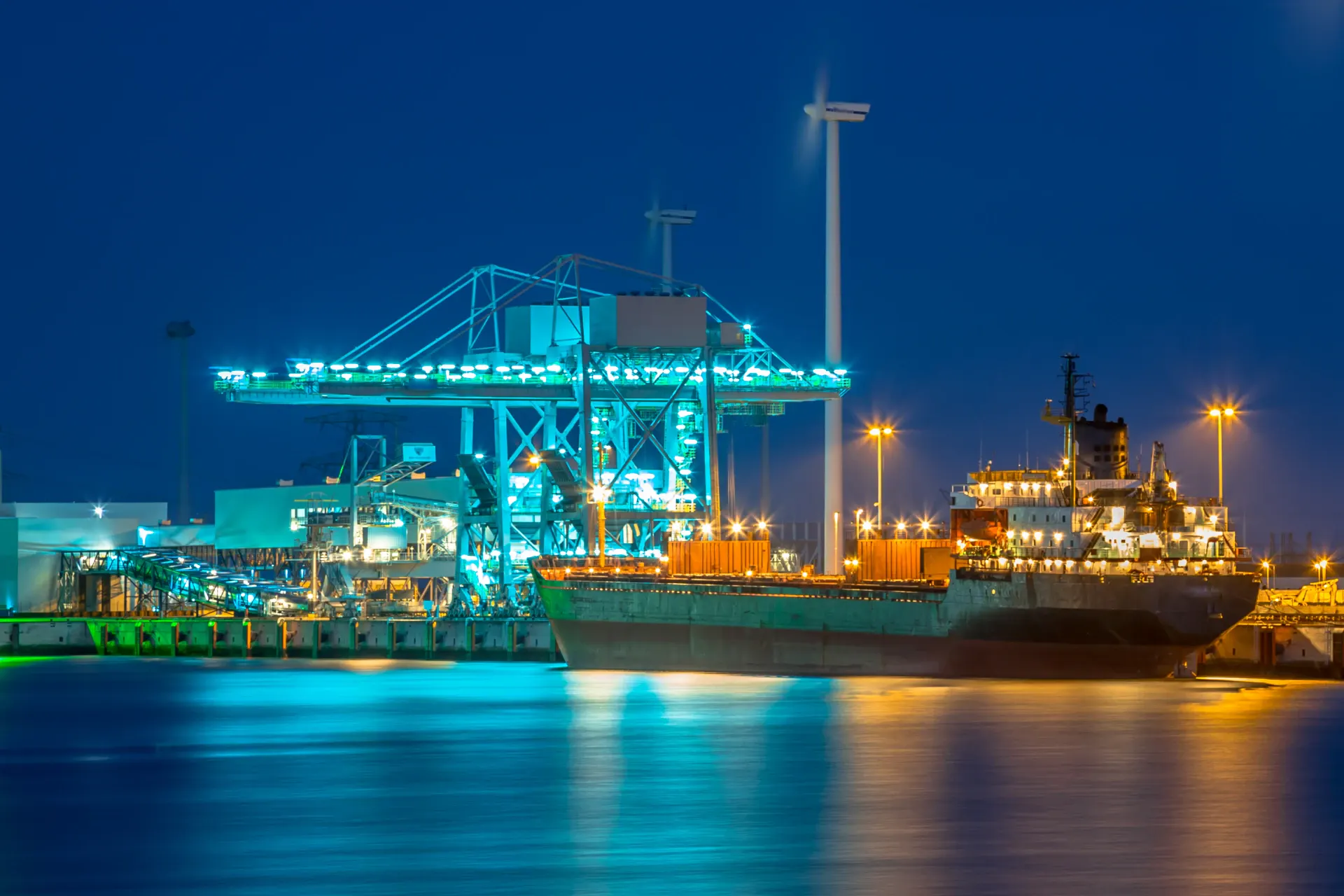
Ukraine has agreed to stop attacking non-Russian tankers and Black Sea infrastructure associated with Kazakhstan's oil exports, easing one of the most disruptive new war risks the tanker market has faced this year. The arrangement covers vessels calling at the Caspian Pipeline Consortium terminal at Yuzhnaya Ozereyevka near Novorossiysk, and was brokered by senior United States officials after sustained lobbying from the oil companies that depend on the route.
The protection is conditional rather than blanket. It does not extend to vessels under Ukrainian sanctions, to ships carrying Russian oil or other Russian cargo, or to Russian-owned tonnage. Kyiv has established dedicated contact points through which commercial operators can share vessel details and arrange safe passage, which places the onus on owners and charterers to identify themselves in advance rather than assume immunity on arrival.
The agreement follows a run of drone strikes on tankers at the terminal between 17 and 20 July. Four vessels were hit or damaged in that window, one taking a drone on the starboard side that started a deck fire before it was extinguished. Loadings were suspended twice, Kazakhstan cut production, and owners began refusing cargoes outright. Ukraine's military had justified the campaign on the grounds that the tankers were being used to move Russian oil, products and fuel in the interests of Russian armed forces, a claim the consortium's shareholders dispute.
The volumes at stake explain the American intervention. The consortium terminal has averaged roughly 1.48 million barrels a day this year, drawing from the Tengiz, Kashagan and Karachaganak fields and accounting for something close to two percent of global crude supply. With crude trading above 100 dollars a barrel, a prolonged outage at Novorossiysk carried direct consequences for fuel prices, and analysts had estimated that continued disruption could add one to two dollars a barrel to the premium on consortium crude. Chevron, which holds fifteen percent of the consortium and half of Tengiz, raised the matter directly with the administration in late July.
Whether the arrangement restores owner confidence is a separate question. August loadings were still expected to fall by roughly a third, and the tanker market has seen earlier protection arrangements in the Black Sea fail to hold. Peak earnings above 400,000 dollars a day at the end of July reflected how thoroughly risk had been repriced. Owners will want to see the corridor operate unmolested for a sustained period before they treat a private understanding, however senior its authors, as a substitute for the war-risk cover they are currently paying for.