UK court refuses bail to captain of detained shadow fleet tanker

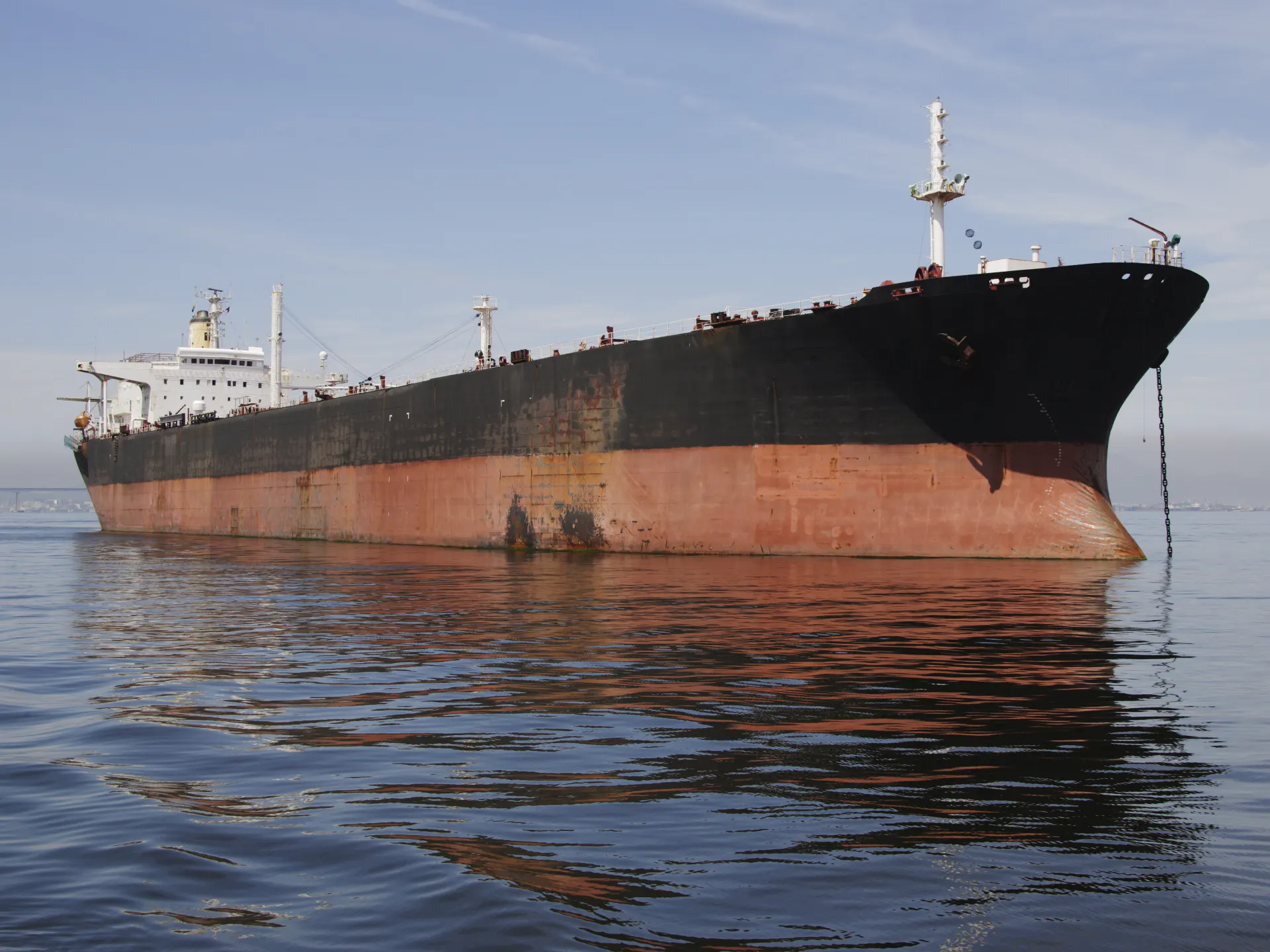
A British court has refused bail to the master of the first shadow fleet tanker detained by the United Kingdom, setting a trial date of 15 December and turning a single interception into a test of how far criminal liability for sanctions breaches extends to the officer on the bridge. The captain made his second court appearance on 16 July. The vessel involved, the 106,969 dwt Smyrtos, remains at anchor off Weymouth where she was directed after being boarded.
The tanker was built in 2009 and has been sailing for a Chinese company since 2025. British forces boarded her in the English Channel on 14 June as she came from Russia carrying approximately 98,000 tonnes of oil. She was claiming to operate under the flag of Cameroon, but was among several shadow fleet vessels whose registrations were revoked by that country following European pressure, and she was consequently designated as stateless. She had already been sanctioned by the European Union in June 2025 and by the United Kingdom that October.
The master, a 38-year-old Chinese national named as Ajay Pant, is charged with directly or indirectly supplying or delivering prohibited oil or oil products from Russia to a third country by ship, an offence carrying a maximum sentence of ten years. His lawyers argued that he was simply following orders as an employee of the vessel's owners. The prosecution alleges he knew what the cargo was and understood that carrying it breached international sanctions. The court refused bail on the grounds that he might abscond and that Russia might assist him in doing so.
The other 24 crew members, from Georgia and India, have remained aboard for more than a month. None has been charged, and there have been reports that the authorities are examining whether the cargo could be seized and sold. Their position illustrates the practical cost of enforcement actions that are aimed at owners and states but land first on the people physically present on the ship.
Other countries have taken a more cautious route. France, Belgium, Germany, Latvia, Sweden and Finland have all detained stateless shadow fleet vessels, but most have released them with fines. Swedish prosecutors have acknowledged the difficulty of proving what masters knew, and attempted instead to charge several with presenting false registration papers. A Finnish case against a captain and officers over damage to subsea infrastructure was dismissed on jurisdictional grounds, and a French prosecution proceeded in absentia after the master was released and failed to appear. The United States secured a guilty plea in June from the Georgian captain of a tanker that tried to flee the coast guard. Against that record, the December trial will indicate whether a conviction on the substantive sanctions offence is achievable at all.