Two Tugs Complete Six-Week Ocean Tow Of Production Vessel
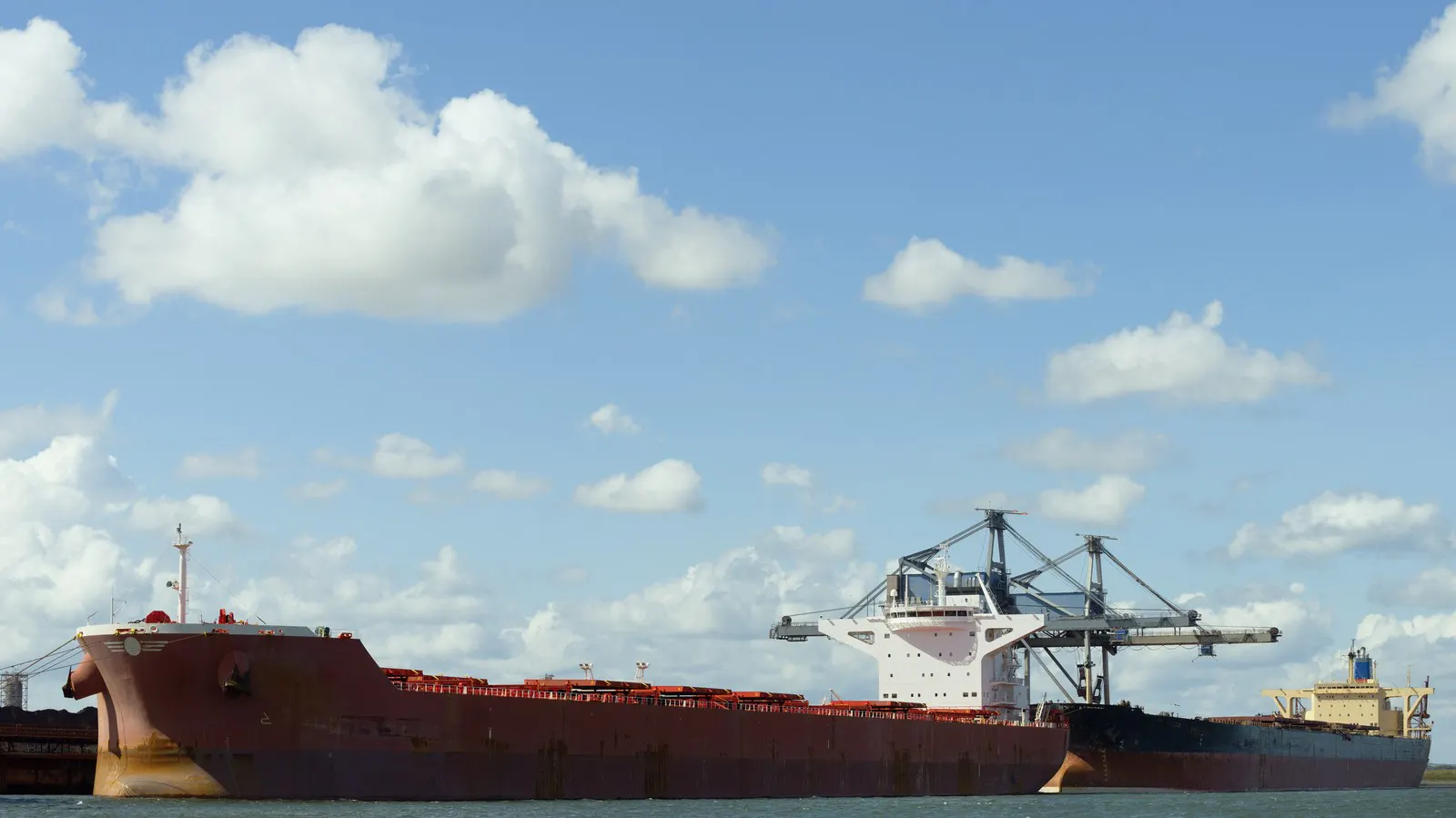
Two anchor handling tugs have completed a tow of a 315-metre floating production, storage and offloading vessel from the Campos Basin off Brazil to a port in northern Denmark, a voyage of roughly six weeks. Each tug develops around 205 tonnes of bollard pull, and the unit being towed is one of the larger production vessels operating off Brazil.
Towing an object of this size across an ocean is among the more demanding operations in commercial marine work. A production vessel has no propulsion of its own, poor directional stability at towing speeds, and enormous windage from the topside processing modules. The tow proceeds at a walking pace and cannot easily be stopped, turned or shortened, and weather routing becomes the dominant consideration for the entire passage.
Two tugs are used partly for power and partly for redundancy. Losing a single tug mid-ocean with a dead ship on the wire is among the worst situations in salvage, and a second vessel already connected transforms an emergency into an inconvenience. The combined bollard pull of over four hundred tonnes also allows the tow to hold position against weather rather than being driven wherever the wind takes it.
The destination explains the voyage. Northern European yards retain specialist capability for the conversion, upgrade and life-extension of floating production units, work that requires deep water alongside, heavy lift capacity and a workforce experienced in offshore fabrication. Bringing a vessel from Brazil to Denmark for that work only makes sense because the alternatives are limited and the value of the asset is very high.
What the operation illustrates is how much of offshore energy depends on a small number of capable vessels and the people who operate them. Anchor handlers of this power are not numerous, their crews are experienced in a discipline that cannot be learned quickly, and the same ships are in demand for rig moves, offshore wind installation and salvage. Every long tow occupies two of them for a month and a half, which is a meaningful fraction of a fleet that nobody is currently expanding. Day rates for high bollard pull anchor handlers have risen accordingly, and the owners of those vessels now choose between markets rather than competing for work. That is a comfortable position for them and an expensive one for everybody who needs something heavy moved across an ocean.