Turkish Newcomer Orders Twelve Ultramax Bulkers At Two Chinese Yards
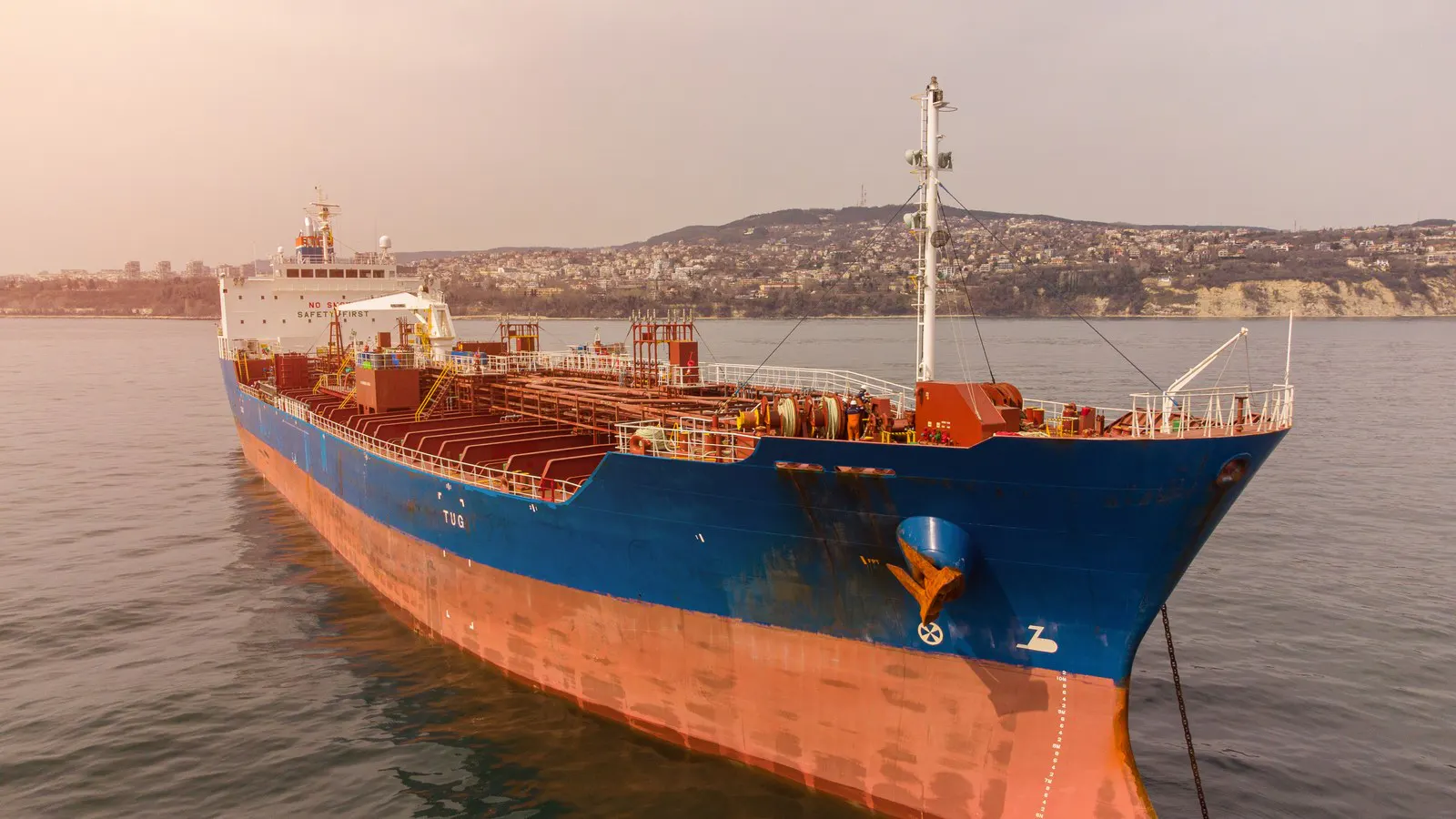
Aqmaris Gemi, a Turkish shipowner established only last year, has ordered twelve Ultramax bulk carriers from two Chinese shipyards, with deliveries expected between 2028 and 2029. Four will be built by Wuhu Shipyard and eight by Nantong Xiangyu Shipbuilding and Offshore Engineering. The order will multiply the company's fleet several times over: it currently operates two Ultramaxes, the Zeynep and the Emine, both delivered this year from a Chinese yard against orders placed in 2024.
The Wuhu vessels carry hull numbers running in sequence and are scheduled for delivery in the third quarter of 2028 and the first quarter of 2029. They follow a contract signed in January for two 64,500 deadweight tonne bulkers with options for two more, and the fleet list now indicates both options have been declared. The design is a new-generation type the yard has been marketing as optimised for current environmental regulations, with the builder emphasising efficiency and onboard digital capability.
The eight vessels at the second builder are split into two batches, the first four due by the fourth quarter of 2028 and the remainder during 2029. That yard has expanded aggressively through distressed assets: in August 2024 it acquired the core assets of a bankrupt marine heavy industry business at judicial auction for 440 million yuan, picking up buildings, a wharf, three slipways for vessels of 50,000 to 100,000 tonnes and rights to more than 680 metres of Yangtze River frontage.
It then invested a further 500 million yuan upgrading the site with more than 600 units of intelligent production equipment, restarting operations in August 2025 and delivering its first vessel in January of this year. In the first half of 2026 the facility generated roughly 850 million yuan of revenue, held an order book of around 40 vessels and had production scheduled through the end of 2029. The first builder has pursued a parallel strategy, bringing a new base into service in May by leasing and reviving two idle dry docks from a collapsed heavy industry group.
The pattern behind both stories is the same: Chinese capacity that fell out of the market during the last downturn is being brought back through acquisition and refurbishment rather than greenfield construction, and it is being filled partly by owners who did not exist two years ago. Whether that capacity survives the next downturn is a different question from whether it can be filled today.