Turkey Sets First Offshore Wind Tender For Early Next Year
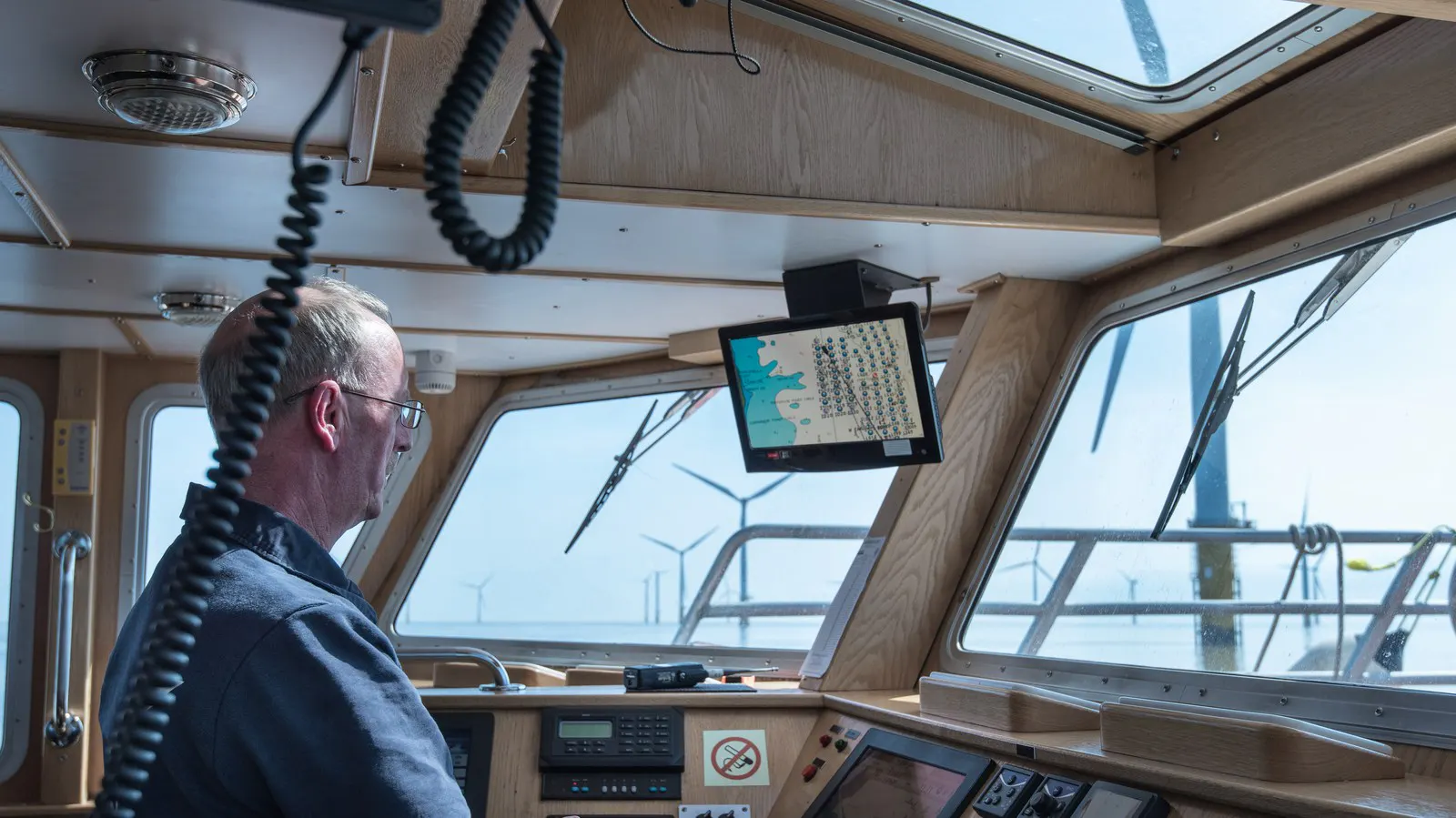
Turkey intends to hold its first offshore wind tender in the first quarter of 2027, opening a programme aimed at installing five gigawatts of offshore capacity by 2035. Four development zones have been identified, and the tender marks the country's entry into a technology it has so far left aside while building substantial onshore wind and solar capacity.
The delay in reaching offshore is a matter of geography rather than reluctance. Turkey's coastline drops away steeply in much of the Mediterranean and the Black Sea, which limits the areas shallow enough for conventional fixed foundations, and the Black Sea presents difficult wave conditions and a corrosive, low-salinity environment that complicates design. The identified zones reflect the relatively small number of locations where the water depth, the wind resource and the grid connection all coincide.
Five gigawatts by 2035 is a substantial but not extraordinary target, comparable to what several European countries have committed to over similar timescales. Meeting it requires roughly the same industrial inputs as everyone else is chasing at the same moment: turbines from a manufacturing base that has struggled with profitability, foundations, cables, and above all the specialist installation vessels whose availability has become the sector's binding constraint.
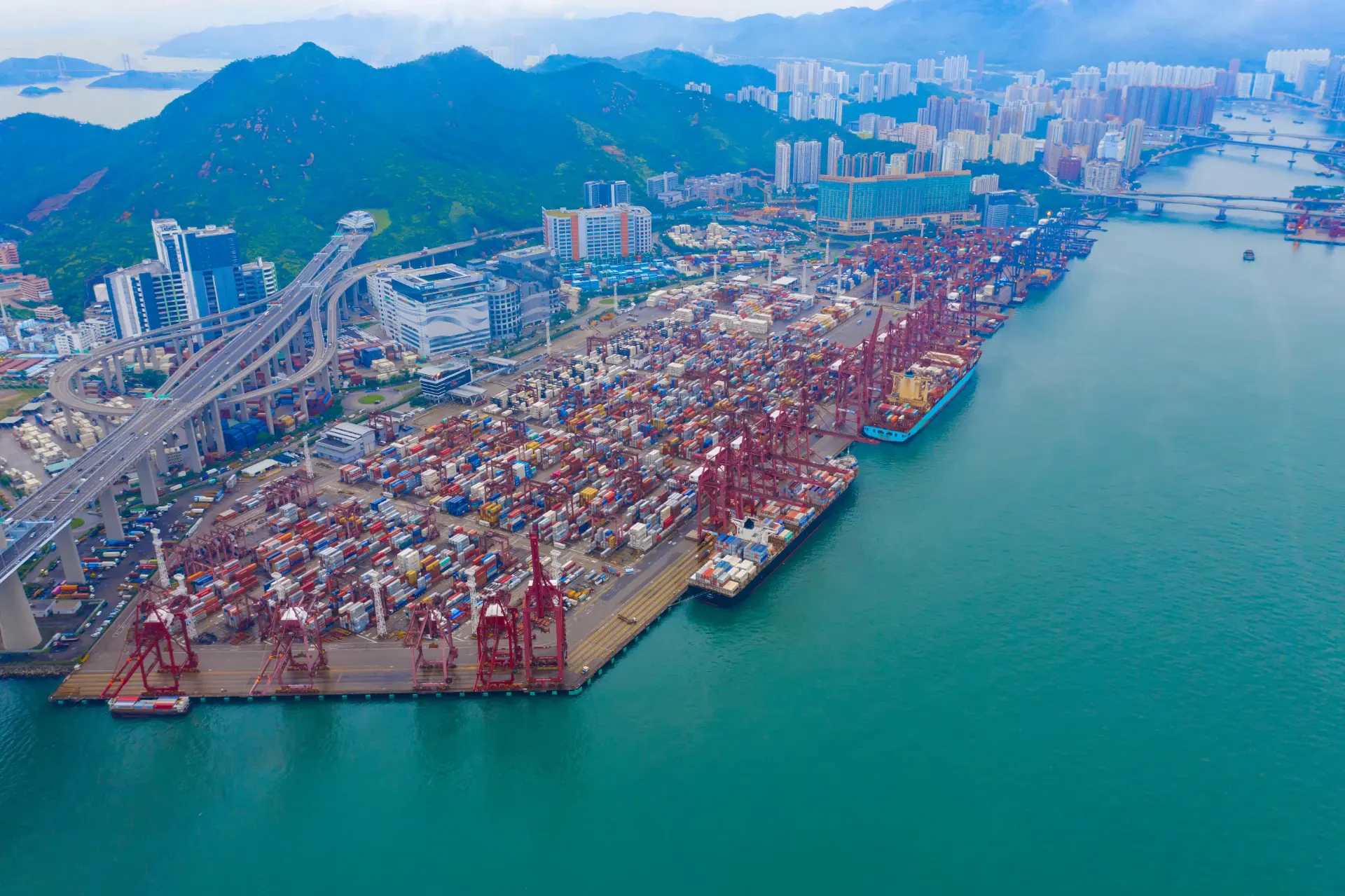
Turkey's advantage lies in what it can build domestically. The country has a substantial shipbuilding industry, established steel fabrication capacity and yards experienced in offshore structures, which puts foundations and possibly installation tonnage within reach of local manufacture. Countries that can supply their own foundations and vessels capture far more of the economic value of an offshore programme than those that import the whole supply chain, and they are less exposed to the queue for European installation capacity.
The energy rationale is straightforward. Turkey imports the overwhelming majority of its natural gas and has been exposed to every price shock of the past several years, including the current pressure on global energy markets. Offshore wind produces power domestically at a cost now competitive with imported gas generation, and it does so with a capacity factor considerably higher than onshore. For an economy where energy imports drive the current account deficit, the case rests on the balance of payments as much as on emissions.