Tuas Port Passes Twenty-Five Million Containers Since Opening
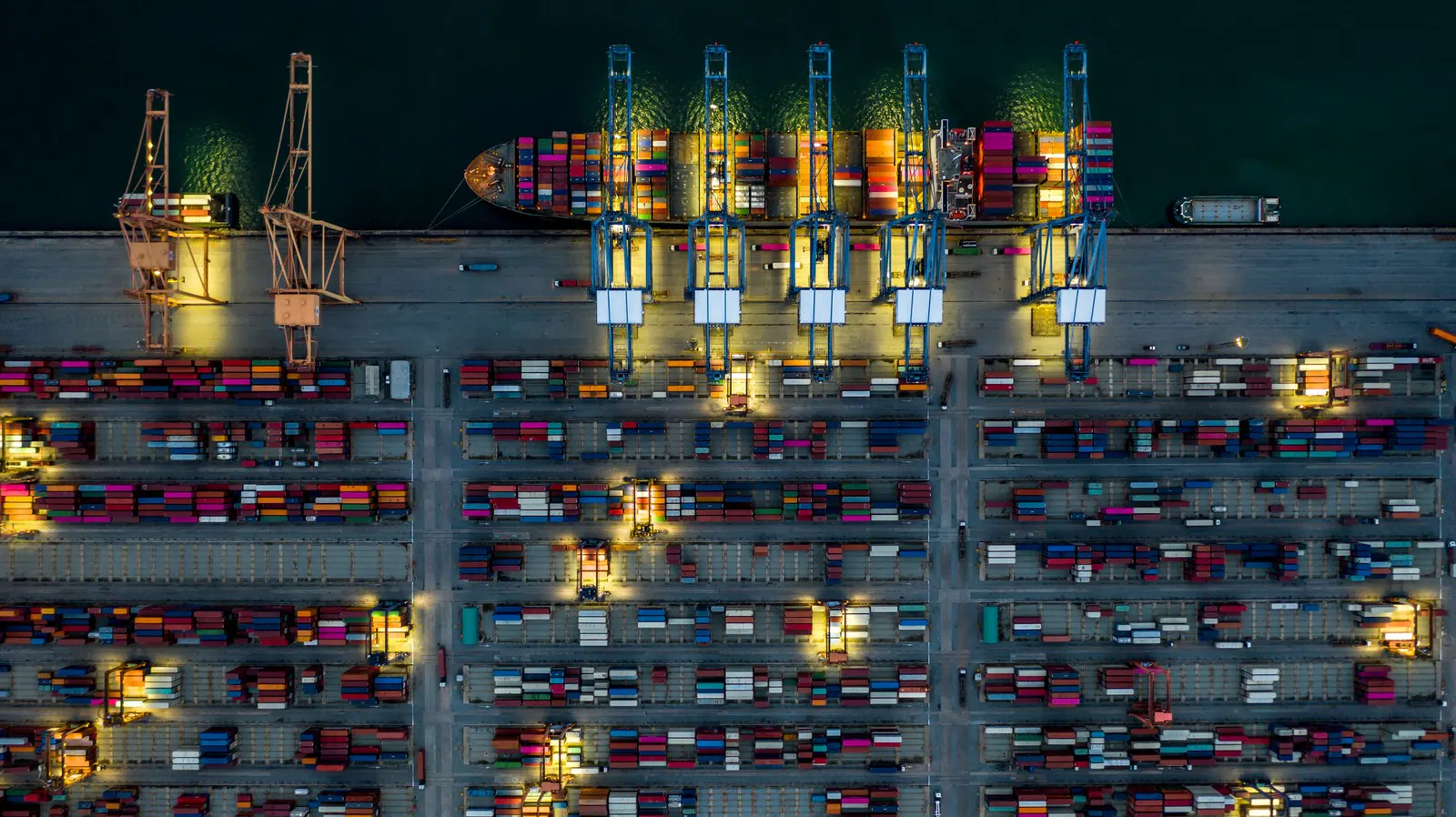
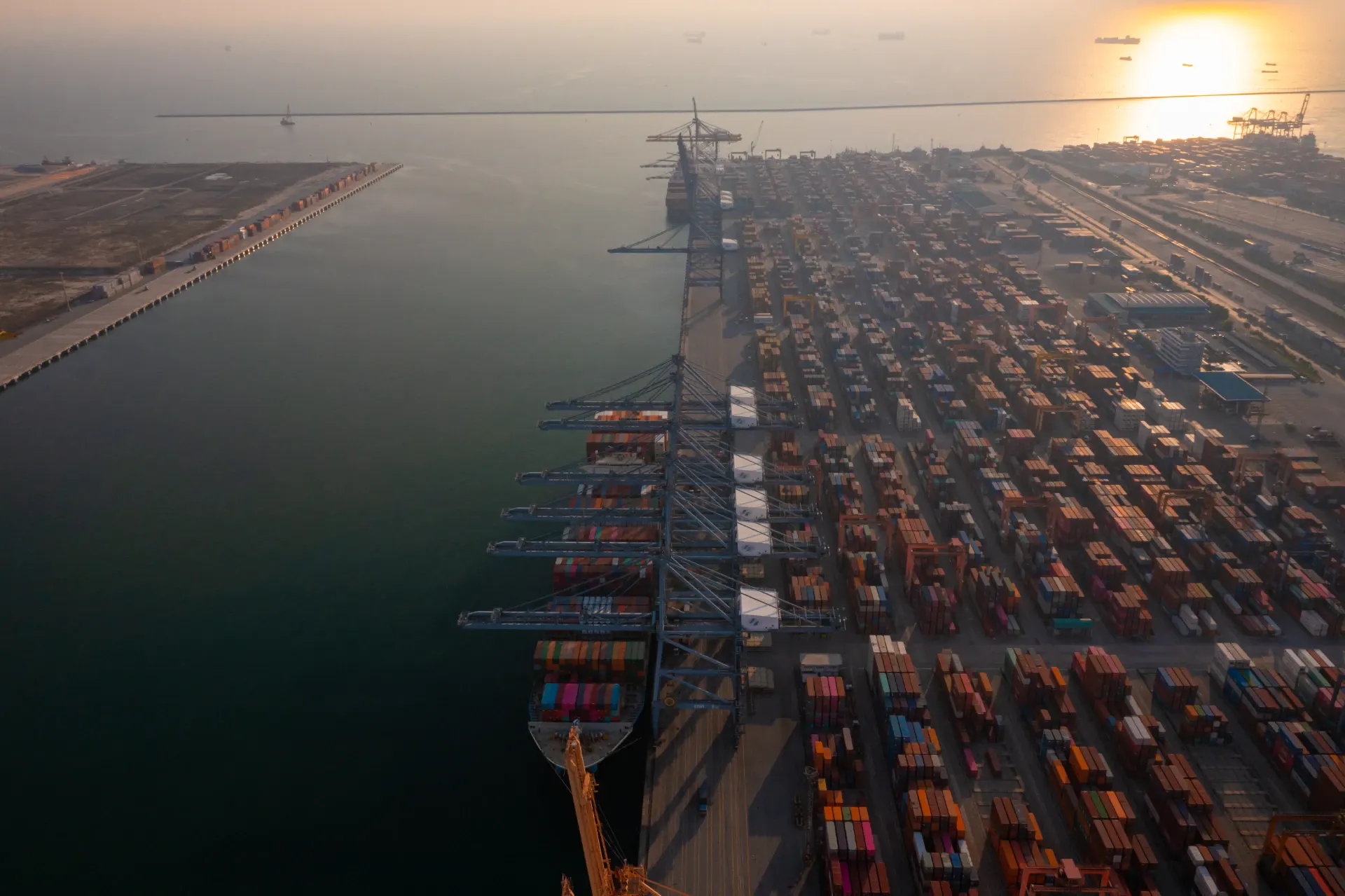
Singapore's Tuas Port has handled twenty-five million containers since operations began in September 2022, a milestone reached as the terminal continues to add berth capacity. The facility currently has fourteen operational berths and is scheduled to reach eighteen by 2027, and its operator describes it as the world's largest fully automated container terminal.
The scale of the wider operation puts the figure in context. The operator handled 44.5 million containers across all its Singapore terminals last year, so the twenty-five million accumulated at Tuas over nearly four years represents rather less than a single year of the group's national throughput. That is the nature of a phased terminal development: capacity arrives in increments as berths, cranes and yard systems are commissioned, and the ramp is deliberately gradual because an automated terminal that is pushed too hard too early produces exactly the congestion it was built to eliminate.
The group's chief executive said the integrated port ecosystem streamlines terminal and logistics services and allows customers to move cargo with more agility and resilience, while the regional chief executive credited customers, partners, unions and employees. The reference to unions is not decorative. Automated terminals are politically difficult in most ports precisely because they displace labour, and Singapore's ability to build one at this scale without industrial conflict is a genuine differentiator that has little to do with the technology.
Tuas exists because of a constraint rather than an ambition. Singapore's older city terminals occupy land that the state wants for other purposes, and consolidating container operations onto a single reclaimed site frees that land while concentrating transhipment in one place. Transhipment is the business Singapore actually runs: boxes arrive on one ship and leave on another without entering the country, which makes proximity between berths worth more than proximity to any domestic market.
The competitive pressure is nonetheless real and growing. Regional rivals have added deep-water capacity, carriers have taken equity in terminals elsewhere to secure their own throughput, and the rerouting of east-west services around Africa has altered the calculus of where a Europe-bound box should change ships. A terminal designed on the assumption that Singapore remains the natural pivot for Asian transhipment is a very large bet on a pattern of trade that has been more volatile in the past three years than at any point since the port was built.