Tebezo wins contract worth up to €17 million to dredge Overijssel waterways
The Dutch dredging contractor will carry out maintenance dredging across the province's inland waterways under a multi-year deal.
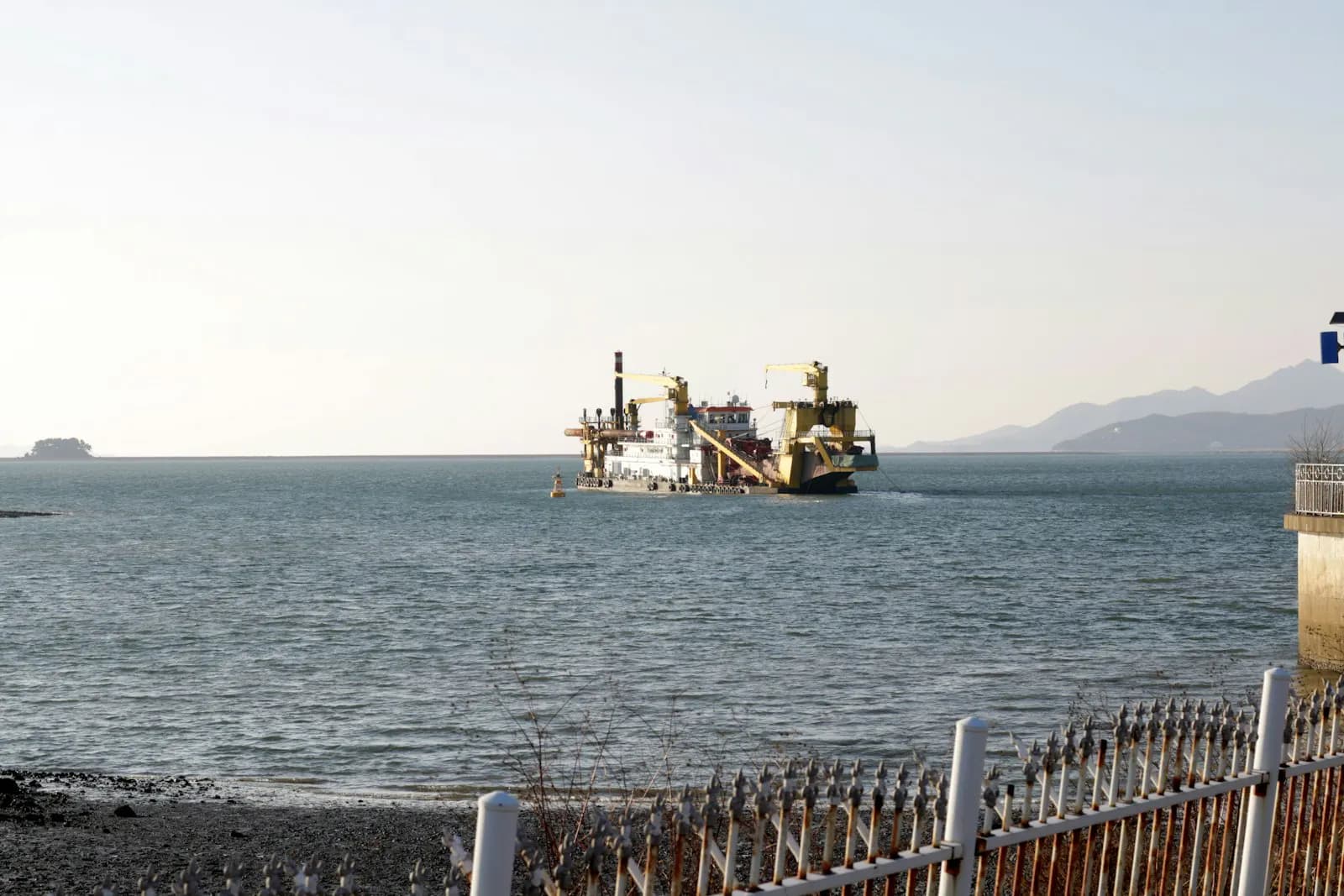
Dutch dredging contractor Tebezo has secured a contract worth between thirteen and seventeen million euros to carry out maintenance dredging across waterways in the province of Overijssel. The award places the company at the centre of ongoing efforts to keep the province's inland shipping routes navigable as water levels across the Dutch river system come under increasing strain.
The contract covers dredging work needed to maintain sufficient depth for commercial and recreational vessels using Overijssel's network of canals and rivers, a task that has taken on added urgency this year as extended dry periods have pushed water levels toward critical thresholds on several routes. Maintenance dredging of this kind is typically carried out on a rolling basis to offset natural sediment build-up.
Tebezo's win comes at a moment when Dutch waterway authorities are contending with the twin pressures of ageing infrastructure and increasingly variable water levels driven by shifting weather patterns. Provincial authorities have signalled that reliable depth across the network is essential not just for freight movement but for flood management and water supply more broadly.
The value range attached to the award reflects the scale of dredging required across the province's waterway network, though the precise scope of individual work packages has not been detailed publicly. Contracts of this size are typically delivered over several years, with dredging campaigns scheduled around seasonal water levels and shipping traffic.
For Overijssel's inland shipping sector, the contract offers some reassurance that maintenance work will continue even as the broader system faces mounting pressure from low water. Similar dredging and maintenance contracts are likely to remain in focus across the Dutch inland waterway network as authorities work to keep routes open through increasingly unpredictable conditions.