Benchmark VLCC Rate Passes $1m a Day and Ten-Year-Old Ships Outprice Newbuildings
Braemar puts a decade-old VLCC at about $150m against $135m for a newbuilding, the first such inversion it has recorded
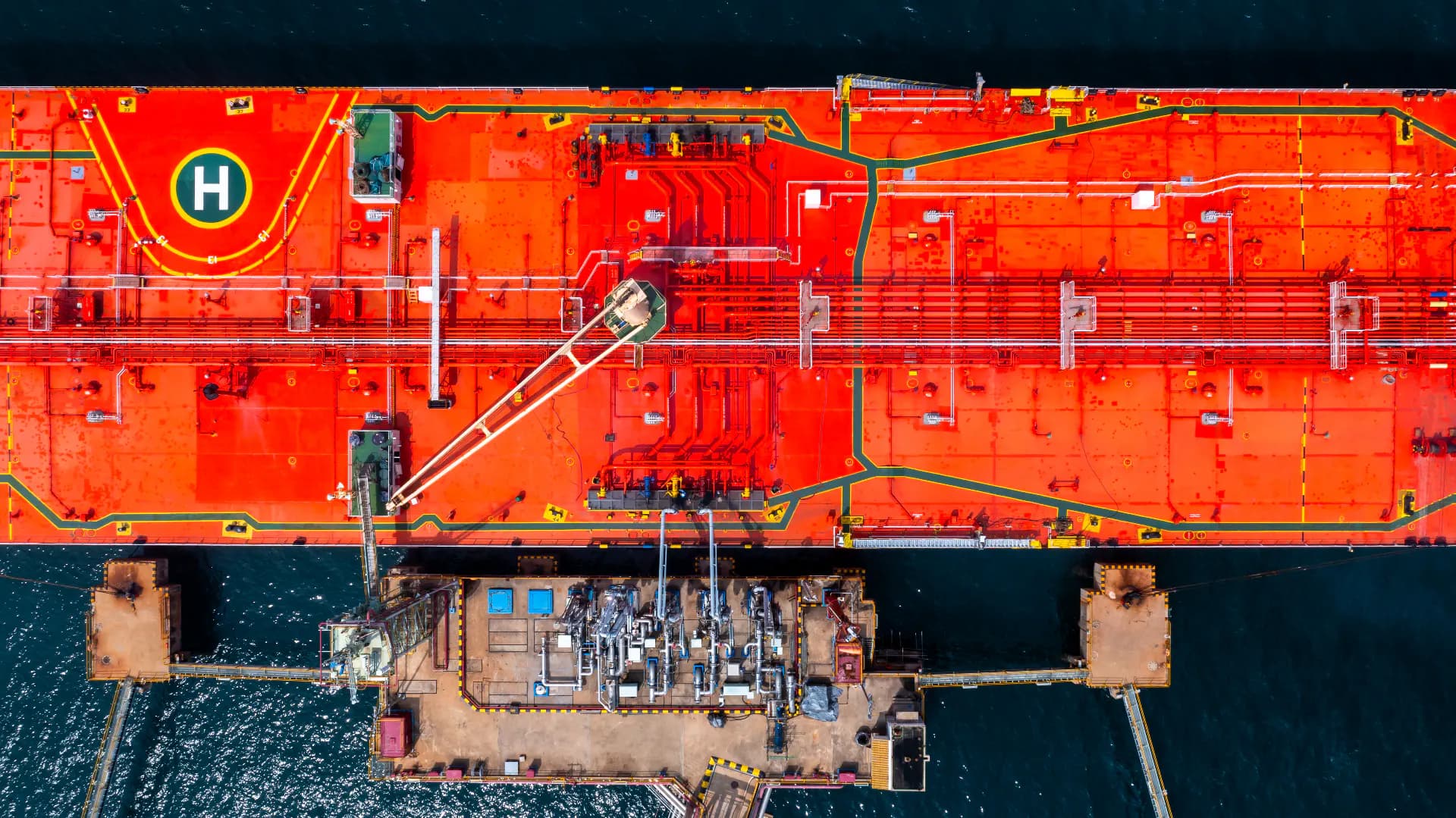
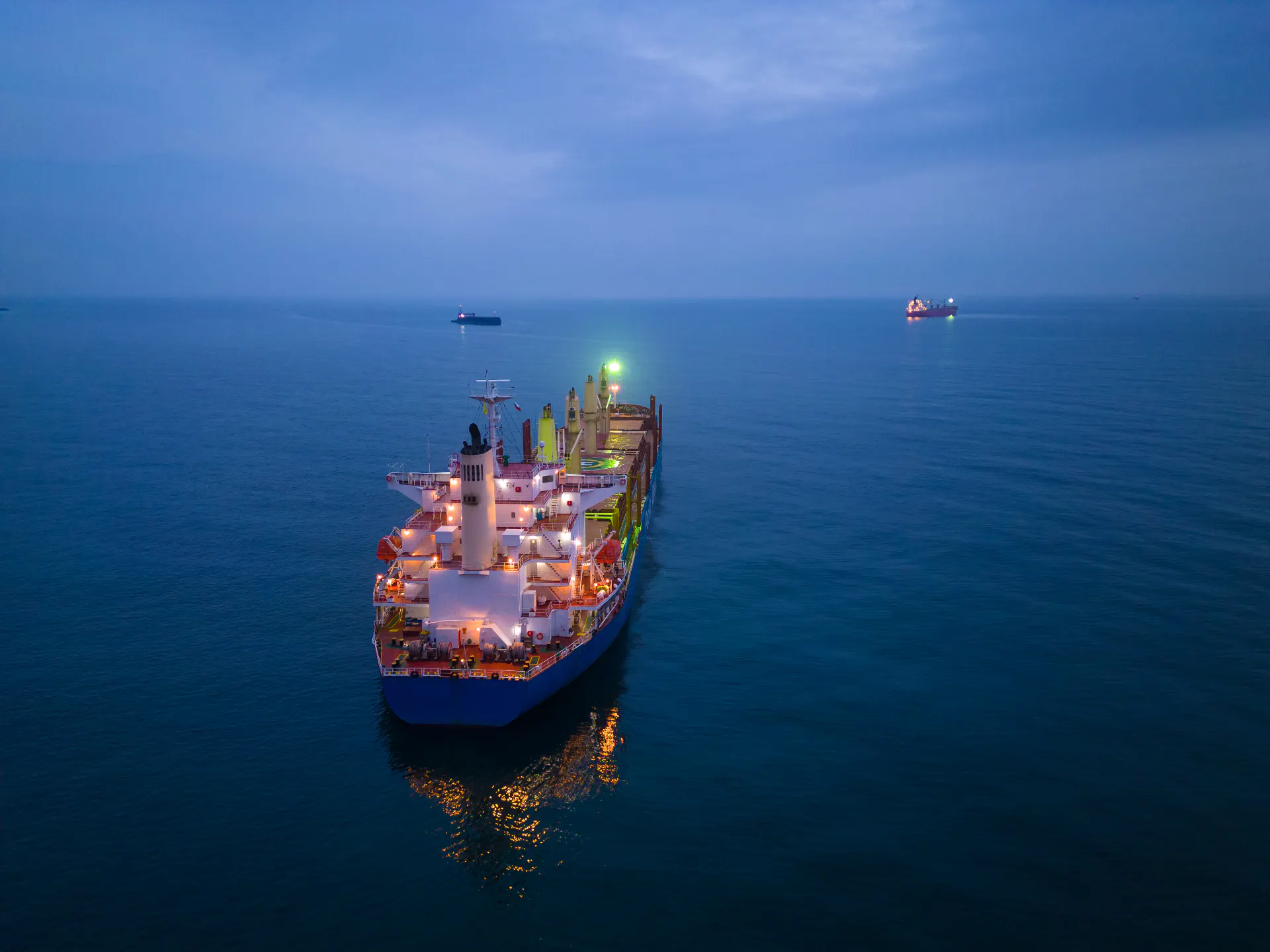
The Baltic Exchange's TD3C benchmark, covering a VLCC carrying 270,000 tonnes of crude from the Middle East Gulf to China, has pushed through the equivalent of $1m a day for the first time. The number carries a caveat: the assessment has become increasingly theoretical as the pool of owners prepared to transit the Strait of Hormuz has thinned and normal Gulf fixing patterns have broken down. Even so, a seven-figure print is a marker for a sector in which $200,000 a day was long treated as a once-in-a-career market.
VLCC earnings approached that $200,000 level in the closing stage of the 2008 supercycle and again during the floating storage boom of April 2020. Current Gulf numbers are around five times those peaks. Away from the conflict zone the picture is also exceptional: Poten & Partners calculated last week that VLCCs loading in the Gulf of Oman could earn around $450,000 a day, with West Africa to Far East returns near $380,000 and US Gulf to Asia about $275,000. "What is happening is truly unprecedented," the broker wrote, adding that "even seasoned veterans are looking at current developments in the market and scratching their heads."
Arrow put the cause in mechanical terms. "The current freight system is very tonnage-inefficient, adding on to tightness in effective supply," it noted, pointing out that crude trade has been predominantly long-haul for six months and that with the Arabian Gulf largely out of commission, tankers have lost the triangulated voyage patterns that normally keep the fleet efficient. The fleet is burning more sea-days per delivered barrel than it was before the conflict. BRS estimates around 15% of the global VLCC fleet is now involved to some degree in shuttle operations around Hormuz.
The strength has spread down the size range. BRS described the suezmax market as having "gone irrational", with West Africa to East rates moving from WS260 to around WS480 inside a week and cross-Mediterranean business reaching WS600, which the broker put at more than $435,000 a day. Aframax TD25 surged to about WS500, and Middle East LR1 indications have reached WS800 with LR2s around WS750. SSY described crude tanker earnings this month as being at all-time highs.
Asset values have followed. Braemar estimates a five-year-old South Korean-built VLCC at around $170m and a ten-year-old ship close to $150m, against about $135m for a newbuilding, the first time it has recorded ten-year-old VLCC values above newbuilding prices. DHT Holdings has fixed the 2016-built DHT Panther for three years at $100,000 a day with a global energy company from October; three-year VLCC rates averaged $58,545 a day in 2008 and are currently assessed at around $80,000. At the older end, the 309,200 dwt Xi Xiu, built by Samsung Heavy Industries in 2003, has been reported sold at $62.25m, more than double the just-under-$31m paid when the ship changed hands early last year under a previous name.
Middle Eastern national oil companies are part of the scramble for prompt tonnage. ADNOC has acquired six VLCCs since late July, and Braemar calculates that NOC-owned VLCCs have carried around 24% of Middle East VLCC exports since the war began, against 12% in 2023. The same broker has flagged the longer-term consequence: if producers keep the fleets they are accumulating, more cargo moves on NOC-controlled ships and the regional spot market becomes thinner.
The strength is not confined to tankers. The ClarkSea Index, which tracks earnings across tankers, bulk carriers, containerships and gas carriers, has climbed to an all-time high of $56,567 a day, roughly 178% above its ten-year average of $20,366 and ahead of both the $53,190 reached in March and the pre-2026 record of $50,714 set in December 2007.
This story is part of the Maritime Briefing of 16 September 2026.
Ships in this story