Gemini Moves Four More Services Back Through the Red Sea and Suez
Maersk and Hapag-Lloyd switch AE5, AE11, AE12 and ME2 off the Cape, starting with Antonia Maersk on 19 September
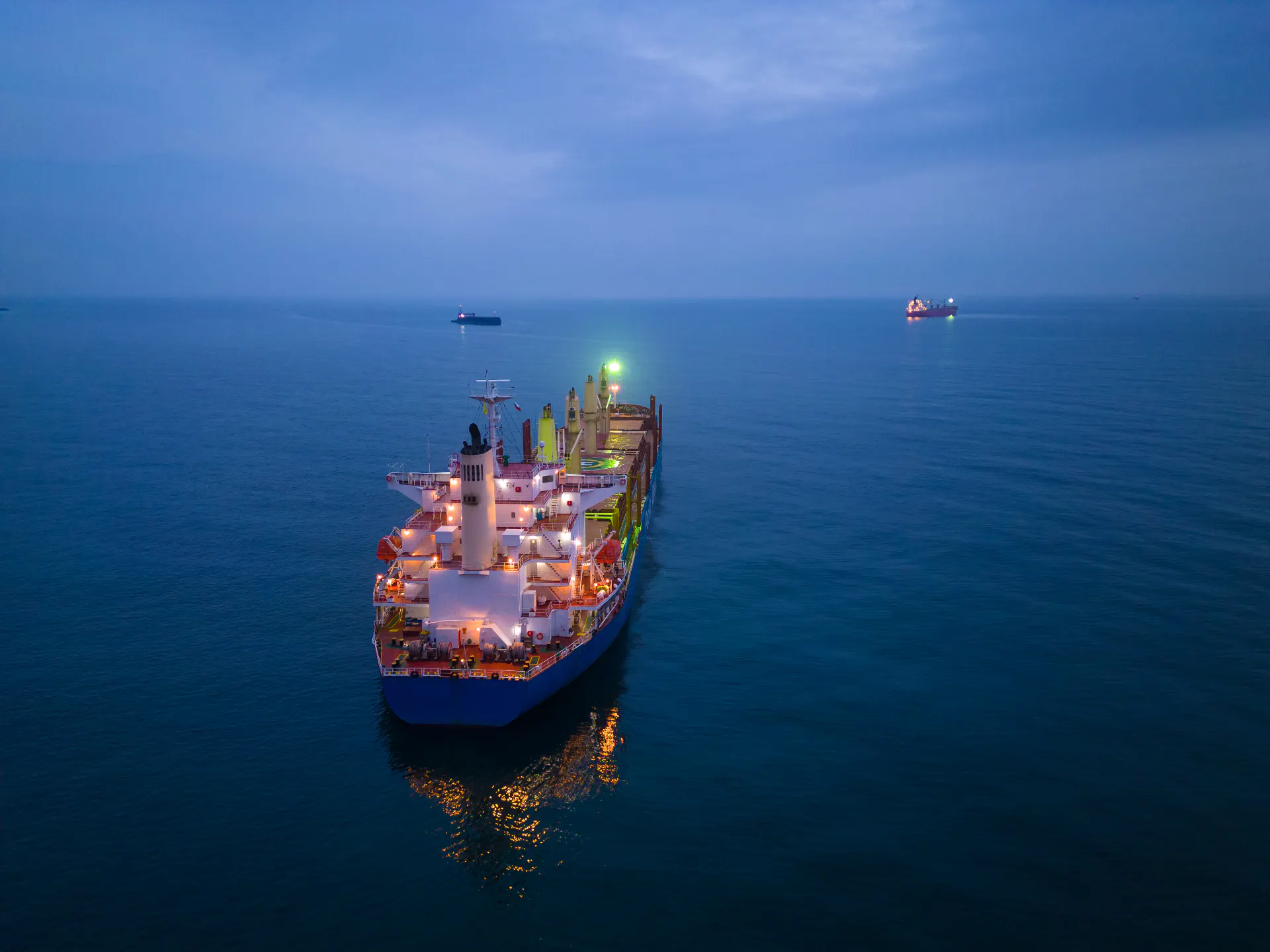
Maersk and Hapag-Lloyd are routing four more Gemini Cooperation services through the Red Sea and the Suez Canal, widening a return to the shorter Asia-Europe corridor that until now had proceeded one loop at a time. Maersk said on Monday that the AE5, AE11, AE12 and ME2 services will switch from the Cape of Good Hope to trans-Suez routings. Hapag-Lloyd markets the same loops as NE4, SE2, SE1 and IEX.
The partners said the decision followed a further assessment of security conditions in the Red Sea and would shorten transit times. Both are keeping the switch conditional, with Maersk stating that further network changes depend on stability in the region and on the absence of renewed escalation.
The first announced westbound change will see Antonia Maersk on voyage 635W leave Tanjung Pelepas on 19 September on the AE11/SE2 service. Marchen Maersk follows on AE5/NE4 from the same Malaysian hub on 21 September. The first switched sailing on AE12/SE1 has yet to be announced.
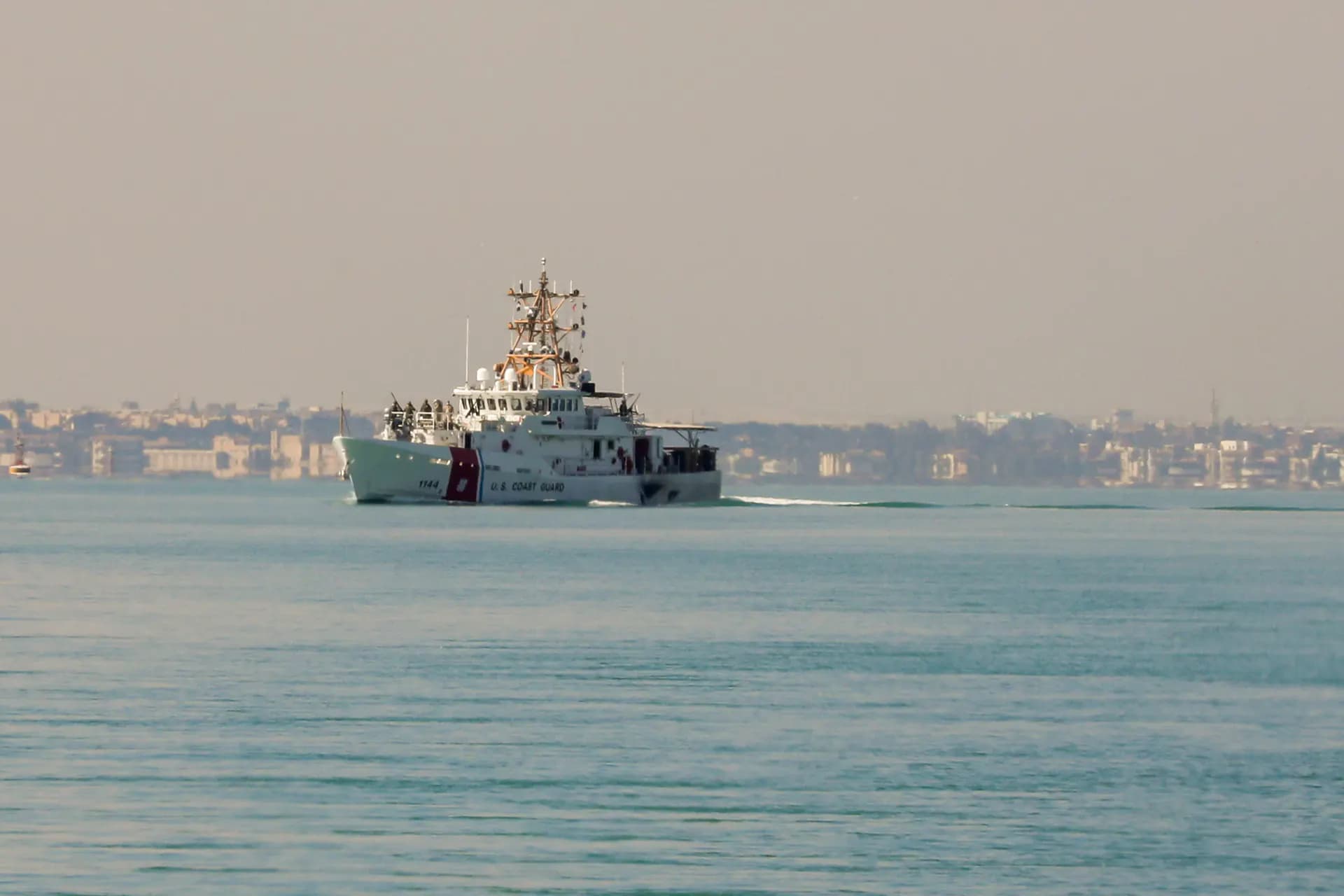
The pace marks a clear acceleration. The first cautious step came in February, when the ME11 service was rerouted through the Red Sea with naval protection. AE15 became a structural trans-Suez service in July and AE19 followed in August. Moving four loops at once roughly doubles the number of Gemini services committed to the route.
The timing sits awkwardly against the security picture, with Houthi forces having advanced through southwestern Yemen and taken ground around the Bab el-Mandeb before being pushed back. It also runs in the opposite direction to the Gulf, where transits of the Strait of Hormuz remain at a fraction of normal levels and Iran has been expanding its list of vessels it says are barred from the passage.
Evergreen and the Premier Alliance partners ONE, HMM and Yang Ming are now the only main carriers that have yet to return to the Red Sea. The capacity arithmetic behind that decision is significant for everybody: a large-scale move back from the Cape to Suez was estimated earlier this year by Xeneta to release the equivalent of 6% to 8% of global containership capacity currently absorbed by the longer routing. Rates and schedules across the Asia-Europe trade would absorb the difference.
This story is part of the Maritime Briefing of 16 September 2026.
Ships in this story