Tanker With Russian Naphtha Turns Back From Bab El-Mandeb And Sails Round Africa
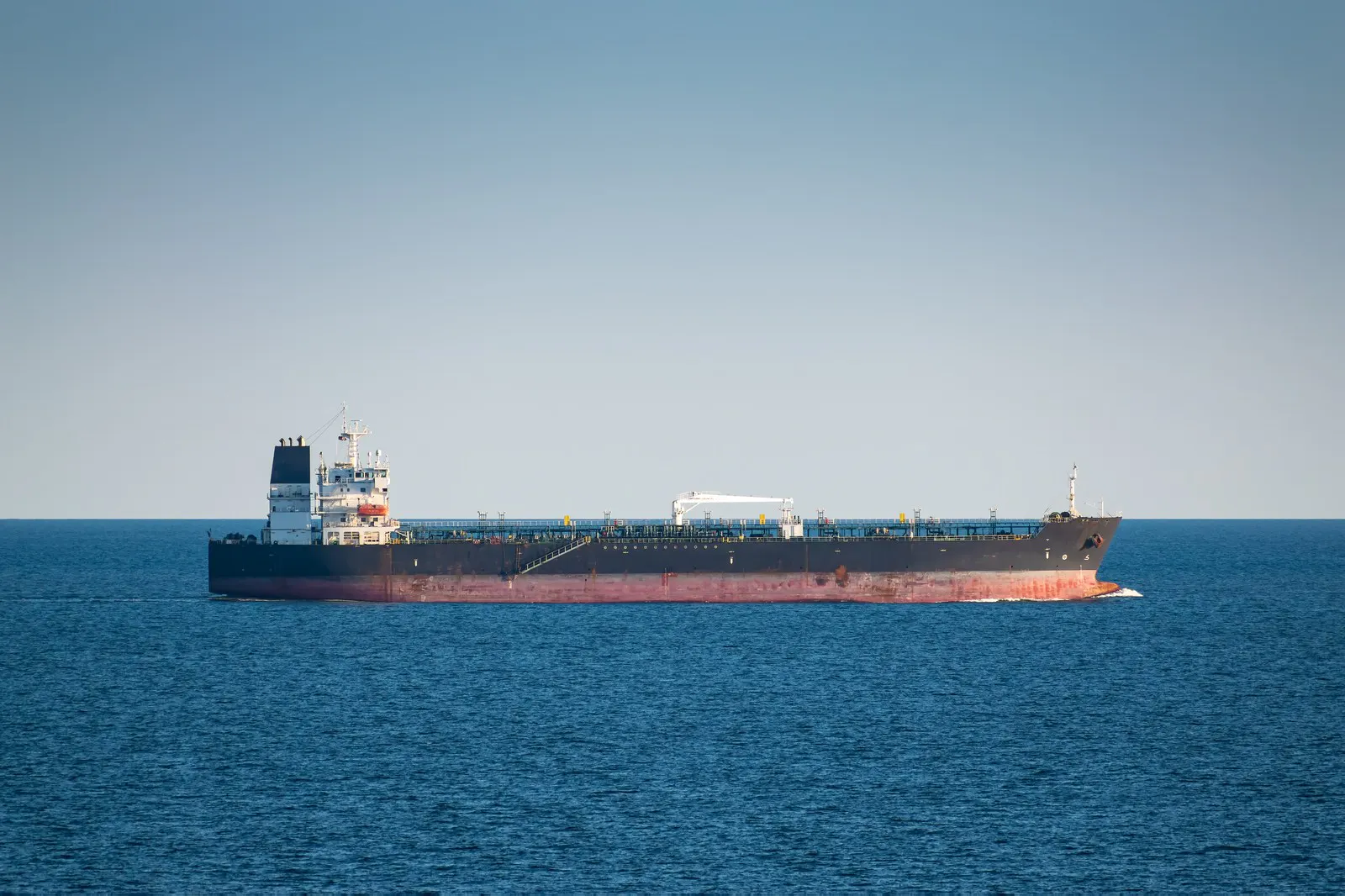
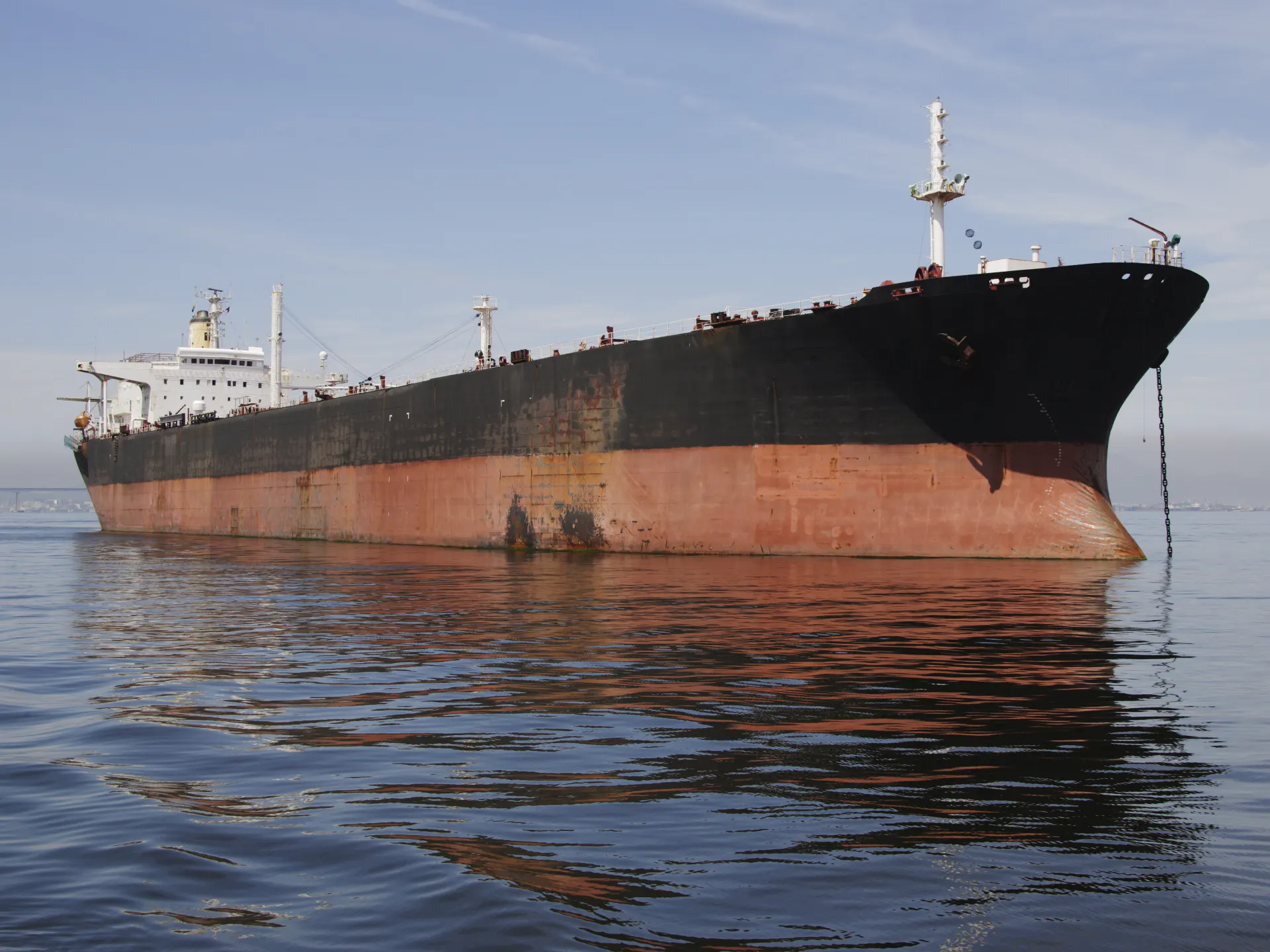
A Panama-flagged tanker carrying Russian naphtha attempted to pass through the Bab el-Mandeb strait in the final week of July before changing course to sail around Africa instead, according to trade sources and ship-tracking data. The Suezmax vessel Sea Ion had loaded at least 100,000 tonnes of naphtha at the Russian port of Ust-Luga on 1 July for delivery to Asia, and by early on Monday was signalling Cape Town as her destination.
The diversion is a concrete, named example of a pattern that has been visible in aggregate traffic data for several weeks but rarely traceable to individual vessels. Traffic through Bab el-Mandeb has thinned markedly since the Iran-aligned Houthis declared a maritime blockade against Saudi Arabia on 20 July, and the decision to turn a laden Suezmax around mid-passage rather than continue represents a judgement by the operator that the risk had changed materially while the ship was already committed to the approach.
The cargo belonged to Russian energy company Novatek, described by one trader as a key alternative supplier of naphtha to Asian markets amid the ongoing conflict in the Gulf. The company did not respond to a request for comment. The vessel is controlled by the Kuwait-based Arab Maritime Petroleum Transport Company, which also did not respond. A Russia-based trader summarised the shift simply, saying cargoes had started going around Africa because of the war in the Middle East.
The economics of that decision are unforgiving but straightforward. Routing a Suezmax from the Baltic to Asia via the Cape rather than through Suez and Bab el-Mandeb adds roughly two weeks to the voyage and a corresponding quantity of fuel, and it delays the vessel's next fixture by the same margin. Owners accept that cost when war-risk premiums, crew willingness or charterer instructions make the short route untenable, and for cargoes already carrying sanctions-related complications the calculation tilts further towards avoidance.
The wider consequence is a tightening of effective tanker supply at exactly the moment when crude and product prices are rising on the same disruption. Every laden vessel that routes around Africa removes weeks of capacity from the market, which supports freight rates for the owners who continue to trade and raises the delivered cost of the cargo for the buyer. Naphtha flows from Russia to Asia have become one of the more resilient elements of the post-sanctions trade map, and the rerouting adds cost without so far reducing volume.