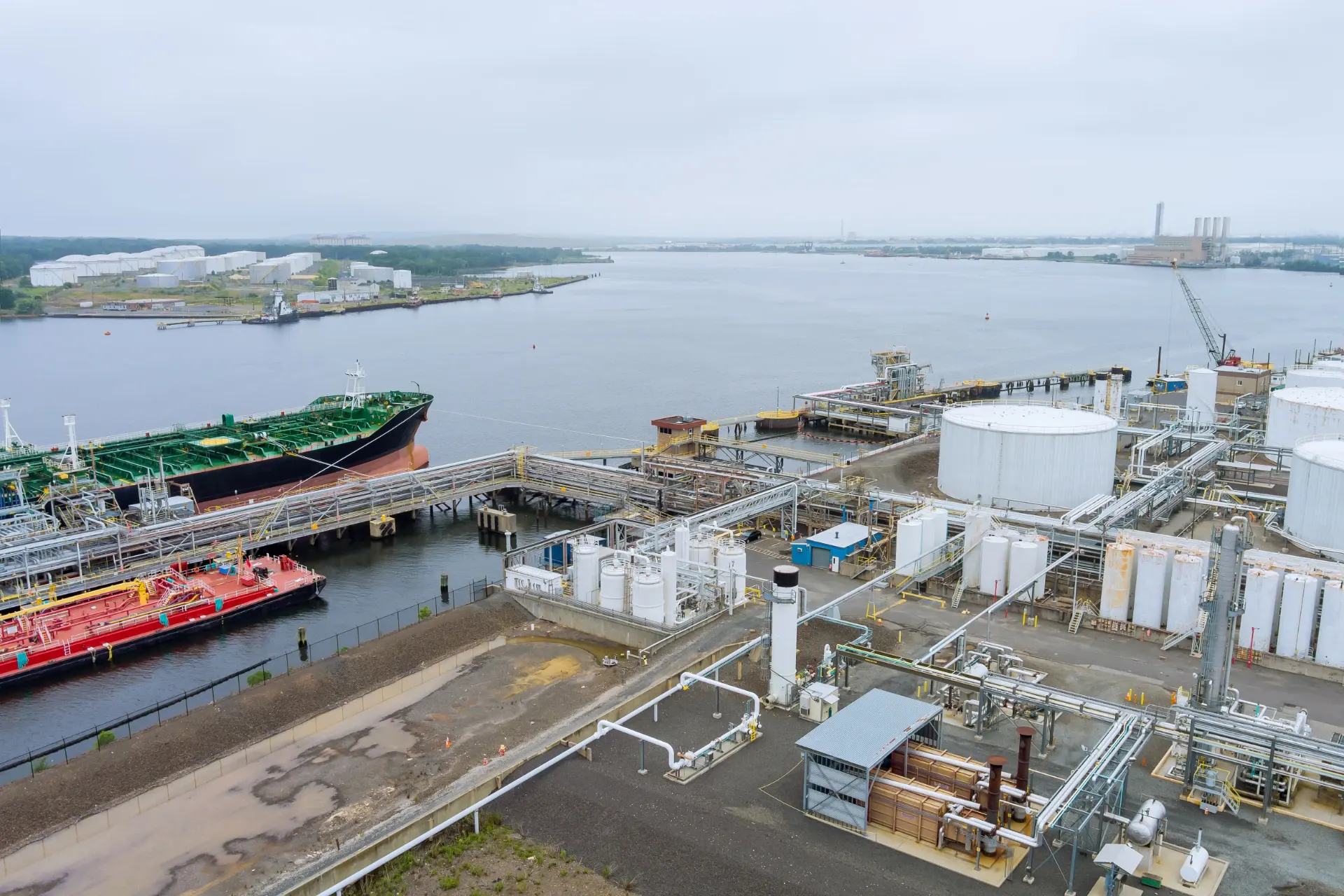
Tanker sales reach a record $29.7bn as VLCC freight falls 64% from its October peak
588 tankers have changed hands this year and a five-year-old VLCC is valued at $220m, while spot rates retreat
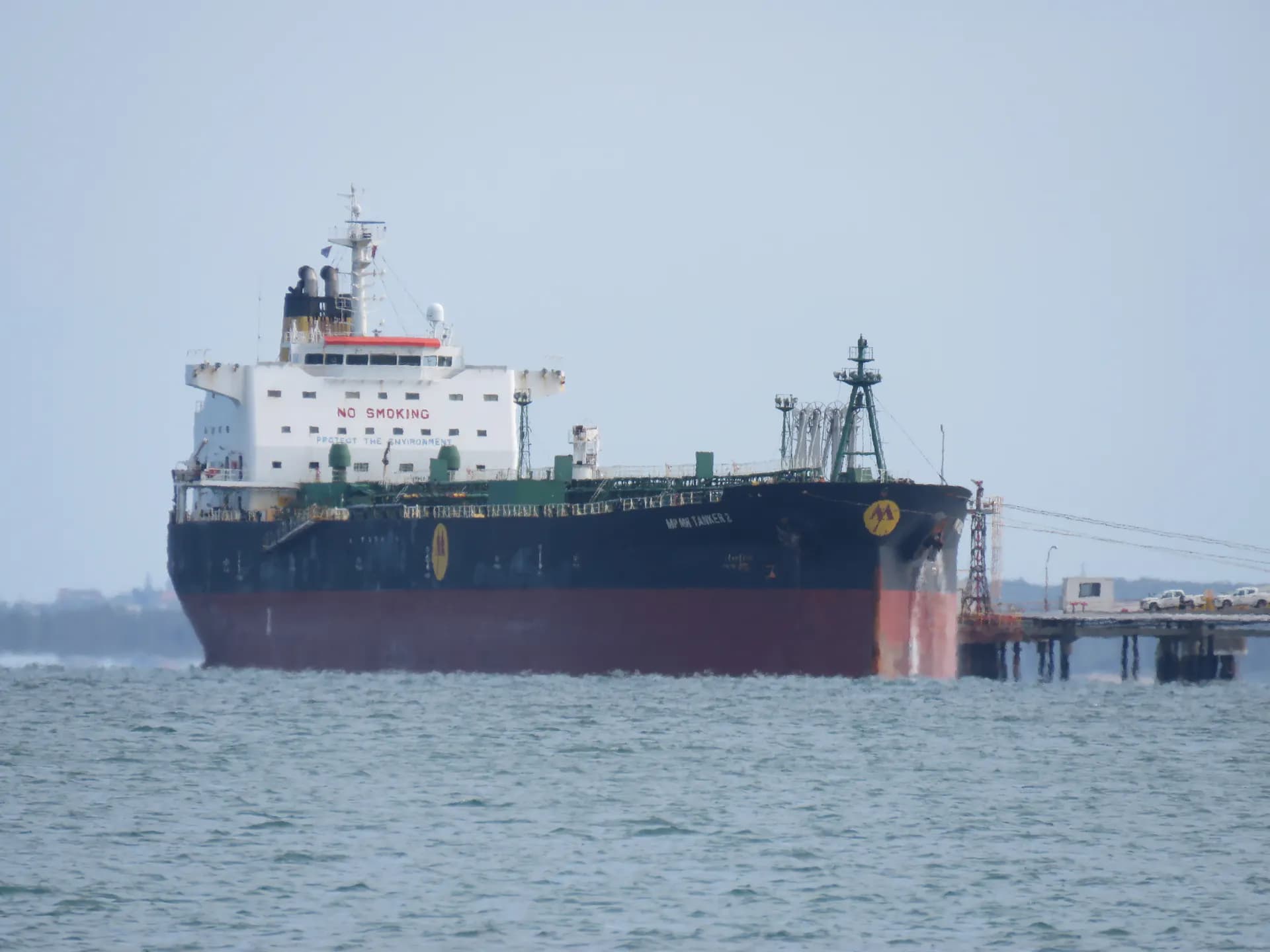
More tanker tonnage has changed hands in the first ten months of 2026 than in any previous full year. Clarksons Research counts 588 tankers of 69.6m dwt reported sold, 8% above the previous annual record set in 2022, for a combined $29.7bn, almost double the $16.2bn of the whole of 2025.
VLCCs led the market, with 124 supertankers sold this year against 78 in 2025, and Sinokor the most active buyer. Values have moved accordingly. Clarksons puts a five-year-old VLCC at $220m, up from $120m at the end of last year, a ten-year-old ship at $195m, more than double its end-2025 level, and a 15-year-old at $165m, against $62m last December. A prompt VLCC resale is assessed at $245m, about $114m more than the $131.5m benchmark price of a newbuilding. Clarksons' five-year-old tanker price index has risen 49% in a year, and Xclusiv Shipbrokers reported five-year-old VLCC values up 80% year on year by October, with suezmaxes up 64%.
Why are buyers paying more than newbuilding prices?
The premium reflects the earnings generated by the war in the Middle East and the value of a ship that can trade now rather than a newbuilding delivering in 2029 or later. A record 234 VLCCs have been ordered this year.
The latest example is Volare Shipping, backed by Trafigura, which has agreed to buy the scrubber-fitted VLCC newbuilding Veni Vidi Vici from an affiliate of Trafigura Maritime Logistics for $210m. The ship is on sea trials at Hengli Heavy Industry in China, the deal is due to close this month, and it will take Volare's trading fleet to seven VLCCs, with eight more newbuildings due by 2028.
How far have rates fallen?
Freight is retreating from its peak. On the Baltic Exchange, the VLCC rate from the Gulf of Oman to China fell to about Worldscale 308 on 13 November, 64% below the record of 841 on 8 October. Clarksons reported average VLCC spot earnings down 41% in a week to $304,482 a day, still historically high.
Gulf exporters have pushed crude flows back towards pre-war levels using ship-to-ship transfers and dark crossings, cutting Asian demand for longer-haul US, West African and North Sea barrels and freeing up ships. Oil prices have fallen 20% this month. "The sharp decline in freight rates is only partly driven by market fundamentals, as such a steep move reflects an exaggerated unwinding of the geopolitical risk premium," said Delia He, an analyst at Arrow Shipbroking.
This story is part of the Maritime Briefing of 17 November 2026.