Tanker Hit and Disabled on Omani Side of the Strait of Hormuz
Engine room damaged east of the Musandam Peninsula, crew reported safe
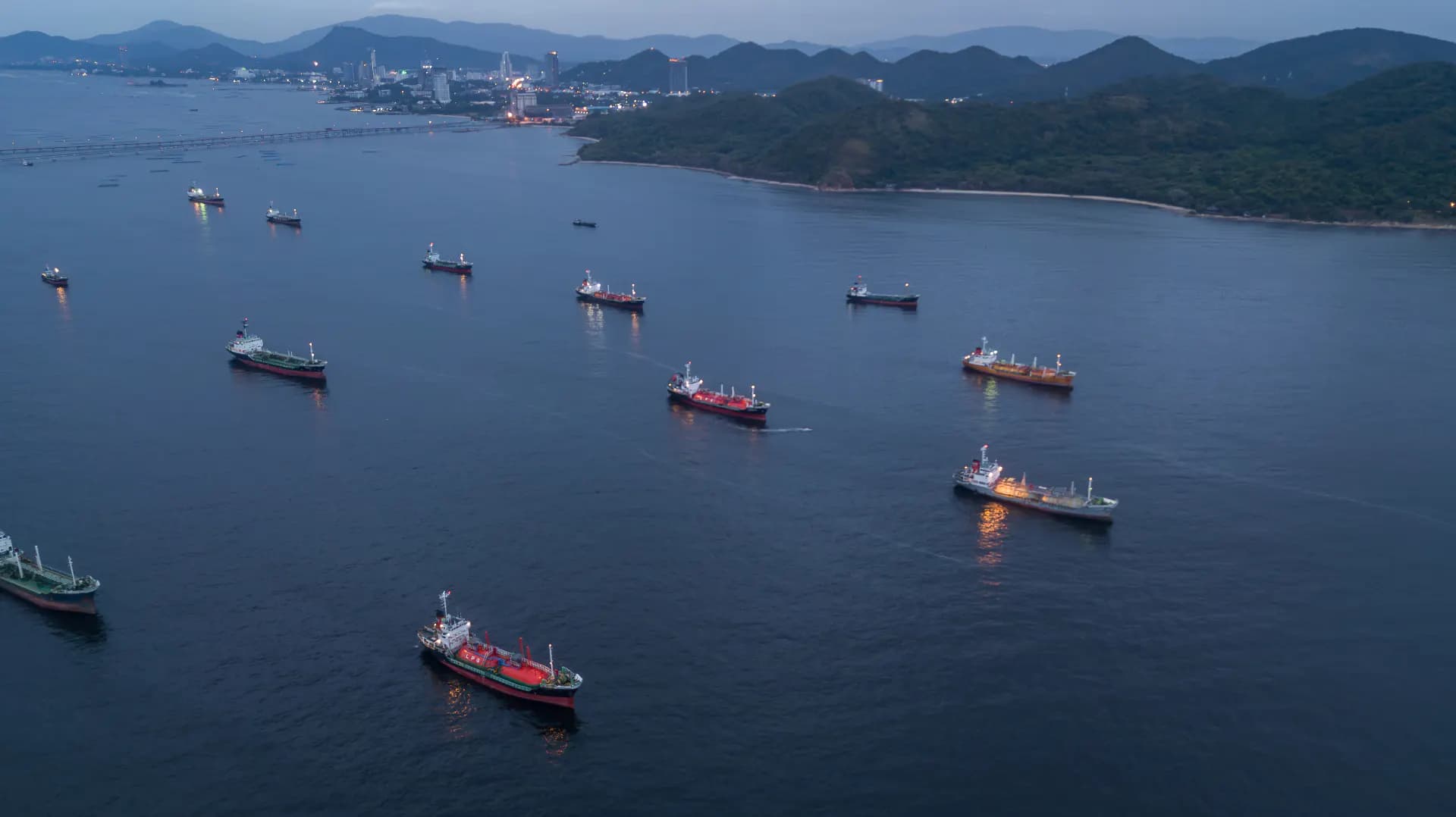
A tanker was hit by a projectile overnight on Monday at a position east of the Musandam Peninsula, on the Omani coastal route through the Strait of Hormuz.
At about 2025 UTC the master of an unnamed oil tanker reported that the vessel had been struck, damaging the engine room and disabling the ship. UK Maritime Trade Operations said the crew remained safe, and the status of any environmental impact was not known. The last reported position was about nine nautical miles northeast of Ash Shishah, a roadless outpost on the eastern edge of the peninsula.
The strike adds to a long tally of damaging attacks in the strait and the Arabian Gulf. The IMO counts a total of 68 incidents since the conflict began six months ago, averaging about three casualties a week. At least 20 seafarers have been killed, 35 wounded and one remains missing, by the organisation's assessment.
The potential for environmental damage from repeated attacks is high. After a disabling strike earlier this month, the bulker Minoan Pioneer remained stranded in the strait for days and is thought to have released a fuel oil slick that stretched northwest as far as Qeshm. The outcome can be considerably worse: the wrecked suezmax tanker Caroline Bezengi, disabled by an explosion and driven aground on an island off southeastern Oman, has polluted thousands of square kilometres of an environmentally sensitive marine area.
A disabled ship in the strait is also a navigational hazard in one of the most constrained waterways in the world, and salvage tugs entering the area take on the same risk as the casualty.
Despite the risks, there are powerful commercial motives to make the run. Clarksons puts current spot charter rates for a VLCC lifting oil inside the Gulf as high as $800,000 per day. Traders can absorb such extreme freight because they are able to buy GCC crude grades at heavily discounted prices, as low as $30 to $40 below Brent.
"It costs more or less $20 million to move a VLCC through Hormuz and come back," TotalEnergies chief executive Patrick Pouyanne said at an energy conference on Monday. "Divided by two million barrels of oil, that's an extra $10 a barrel."
That arithmetic explains why transits continue at all, and why the casualty rate has not deterred the traders willing to pay for them. Crews carry the residual risk, as earlier fatalities aboard attacked ships have shown.
Ships in this story