Syria Takes Control Of Tartous Berth Previously Used By Russia
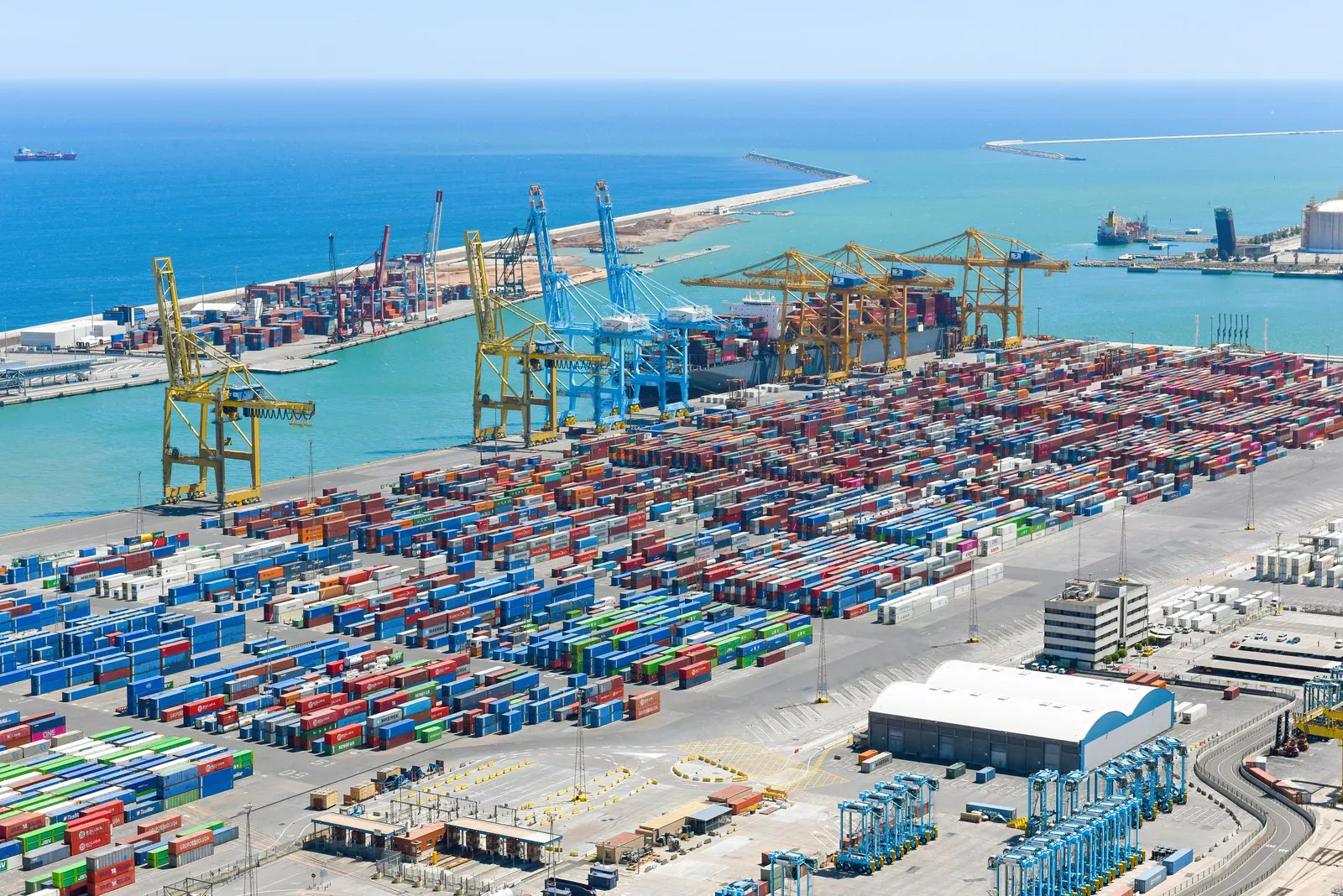
Syria has taken control of the 630-metre fourth commercial berth at Tartous, together with adjoining yards, warehouses and facilities previously used by Russia, under an agreement announced on 9 August after roughly eighteen months of negotiation. Civilian facilities are to pass into Syrian civilian administration within three months.
The arrangement separates civilian from military use. The berth and an airfield are being integrated into Syrian civilian administration, while facilities used for military purposes are to be reorganised as joint Syrian-Russian training and qualification centres. The national ports authority has taken over the berth and its surrounding areas. The foreign minister visited Tartous and an airport at Latakia on the day of the announcement to inspect the facilities covered.
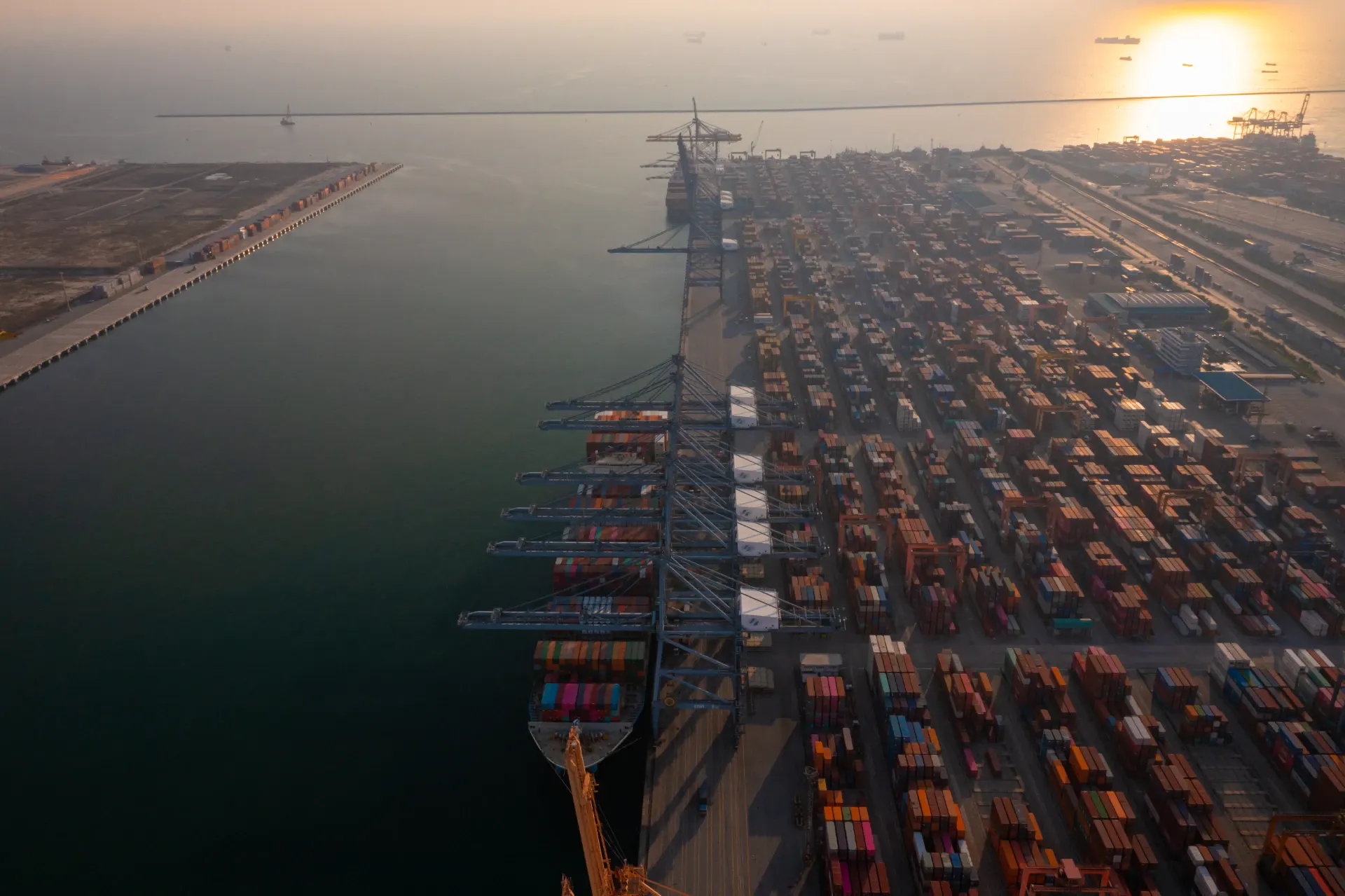
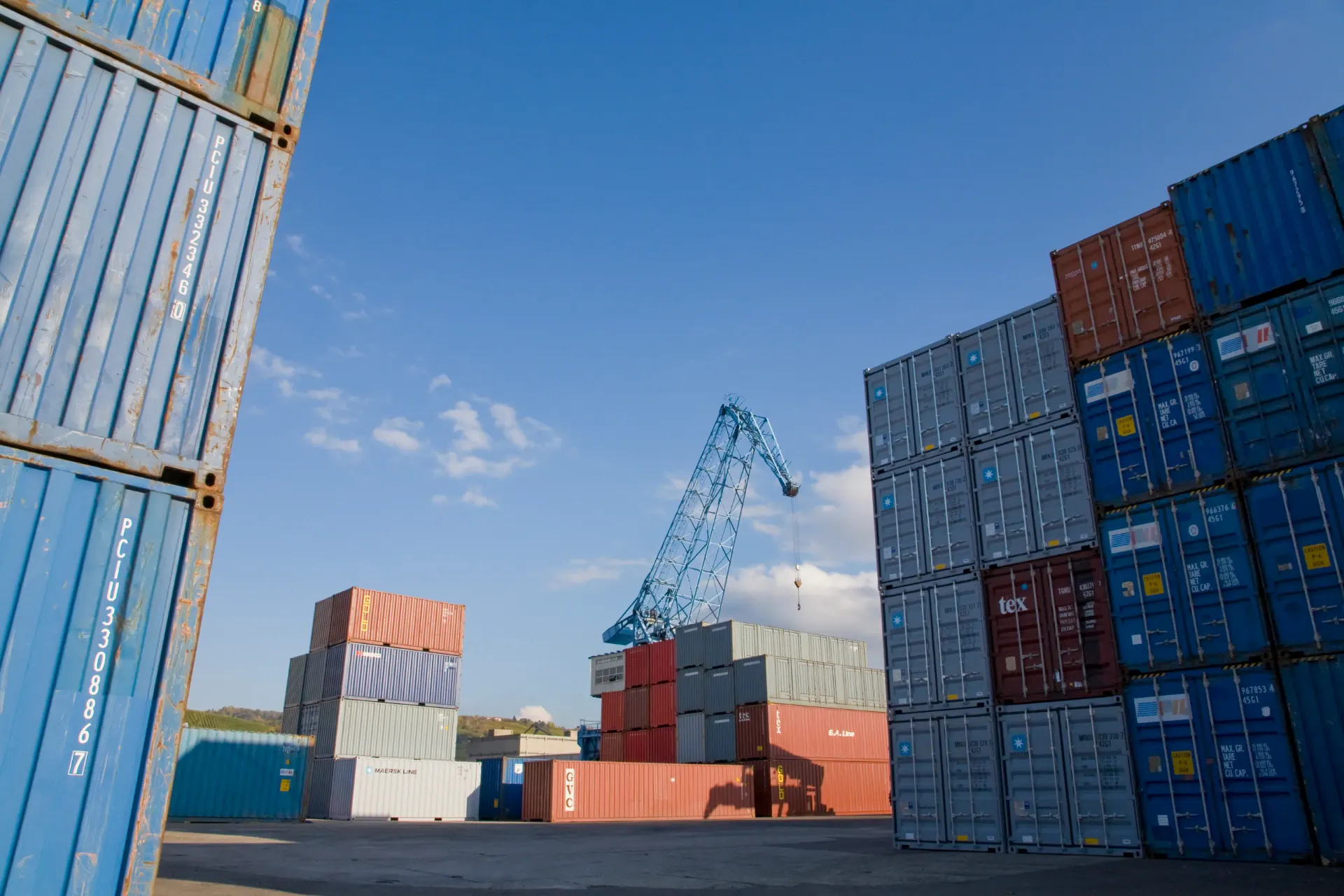
The berth itself is a substantial asset. It has a draft of 10 metres at its eastern end and 13.2 metres at the western end, can accommodate three large ships at once and handle cargoes of up to 55,000 tonnes, and adjoins a roll-on roll-off berth with access to nearby warehousing and storage. Tartous handled 551 vessels in the first half of this year, comprising 472 general cargo ships, thirty-three container ships and forty-six maintenance vessels, with throughput of nearly 5 million tonnes split between 3.9 million of imports and 1.1 million of exports.
A proposal circulating in July envisaged a Russian-linked logistics hub at the berth handling around 250,000 tonnes a month, but the ports authority has rejected reports that Russia would operate such a commercial centre. That denial is the substance of the story. The question at Tartous has never been whether Russia retains a physical presence but on what terms, and a transfer of the commercial berth to civilian Syrian control while military facilities become joint training centres is a considerable reduction in the standing Russia held there for a decade.
The commercial future runs through a different counterparty. A Gulf terminal operator signed a thirty-year concession in July last year to develop and operate the port, backed by an 800 million dollar investment commitment, began operations in November and is deploying three mobile harbour cranes, the first of which arrived on 29 June, with the three together expected to lift handling capacity by around 40 percent. A port that spent years as an instrument of one state's military logistics is being converted into a commercial asset operated by another state's terminal company, and the berth transfer is the step that makes the second arrangement workable.