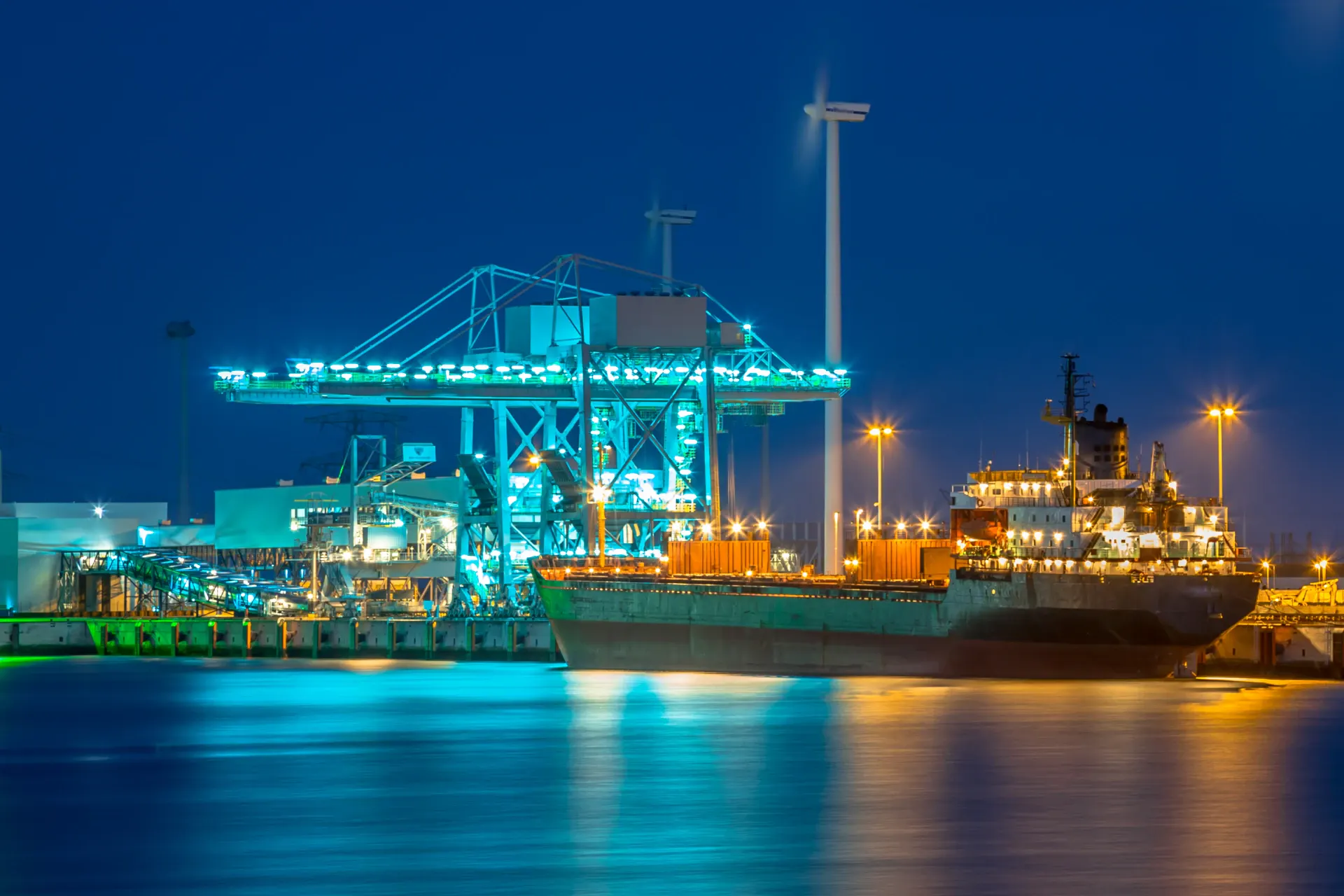
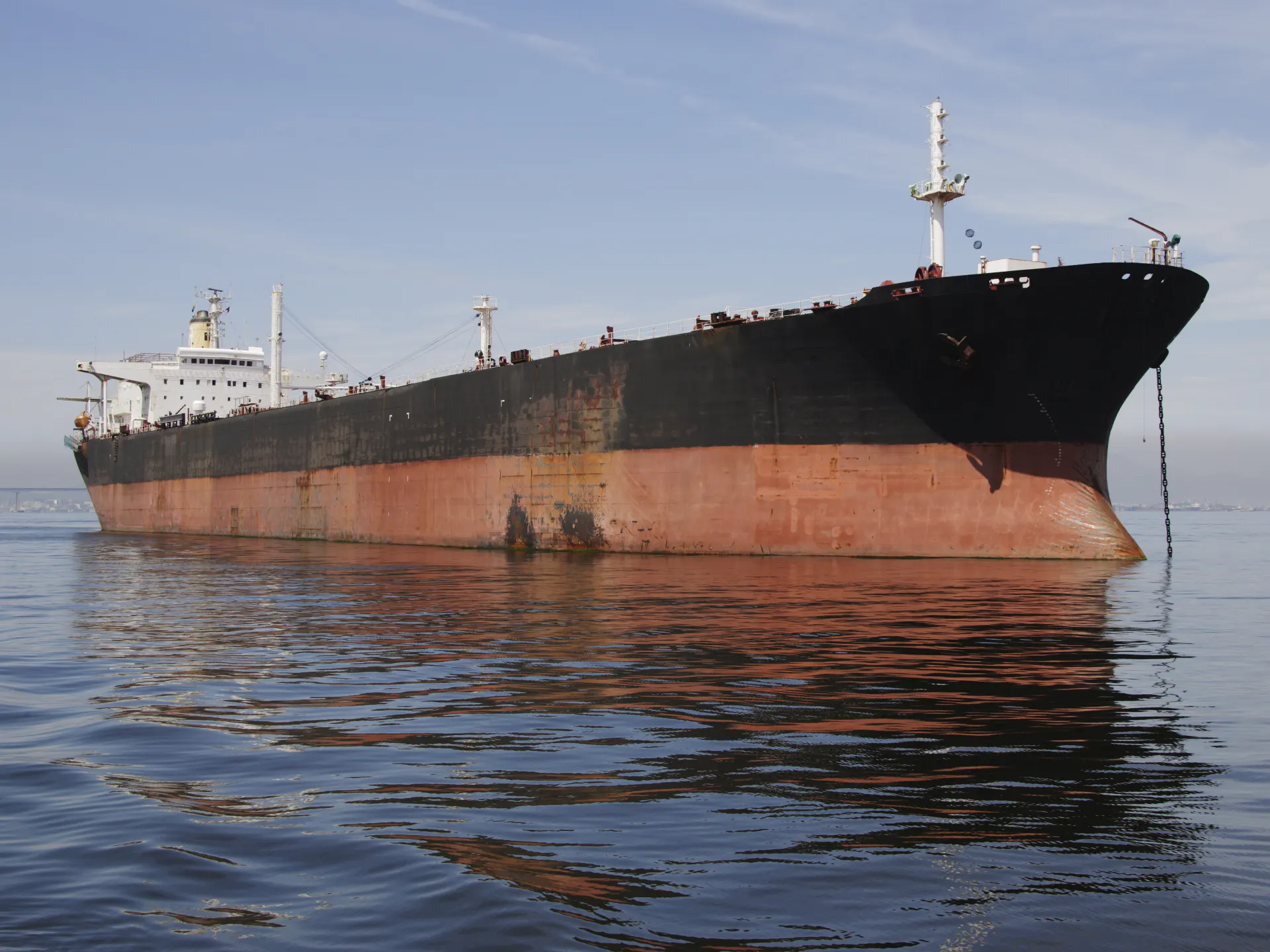
Syria and Myanmar Appear as False Flags on Russia-Linked Tankers
Neither state runs an international registry, so any ship broadcasting the flag is falsely flagged.
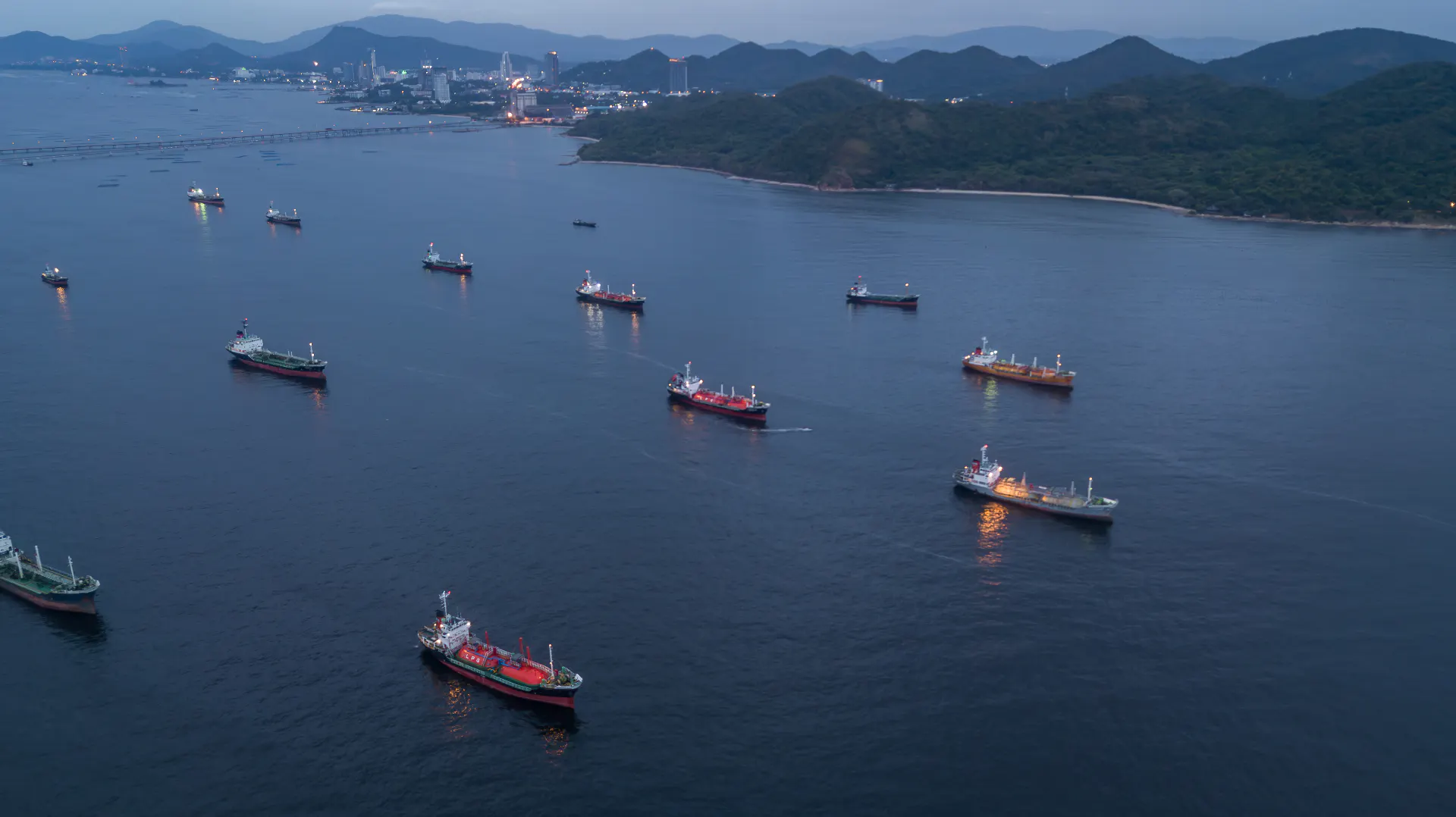
Tankers tied to Russian trade began transmitting Syrian and Myanmar flags in the April-to-June quarter, the first time either has appeared, widening a set of invented registries that keeps sanctioned ships in work.
Neither state runs an international register. That makes the call unusually clean: a tanker sending either flag is fraudulent by definition, with no legitimate entry to check it against.
The totals are climbing fast. The IMO's list of ships carrying a bogus flag has reached 580, against 470 when 2025 closed, growth of 23.4% across six months. In the second quarter alone, 275 tankers in international trade were transmitting a fake registry's flag, and the number of such registries identified worldwide now stands at 22. Roughly nine in ten of the ships using them sit under Western sanctions.
False flagging is one tool among several in the dark fleet playbook, alongside AIS manipulation, ship-to-ship transfers outside port limits and rapid changes of ownership through single-ship companies. Its specific function is to buy time at the interface with commercial counterparties, because a plausible flag entry can survive a superficial check by a port agent, a bunker supplier or an insurer long enough for a voyage to complete.
The Iran trade shows how far the practice has spread from its origin. About 62% of the roughly 430 tankers working that trade carry a false flag and 87% are sanctioned, which describes a pool of tonnage that has largely stopped attempting conventional registry compliance at all.
For flag administrations, a flag of convenience register carries reputational risk it cannot control, since the fraud happens in the broadcast rather than in the registry office. Legitimate registries have been struck in exactly this way, with vessels transmitting the flag of a state that has never entered them in its books.
For anyone screening a counterparty, the practical consequence is that the flag field alone has stopped functioning as an identity check. A sanctioned vessel determination now depends on hull identity, ownership tracing and position history rather than on what the transponder claims, and the appearance of two states with no registry at all confirms how little the broadcast is constrained by reality.