Syria And Russia Agree A Reduced Naval Presence At Tartous
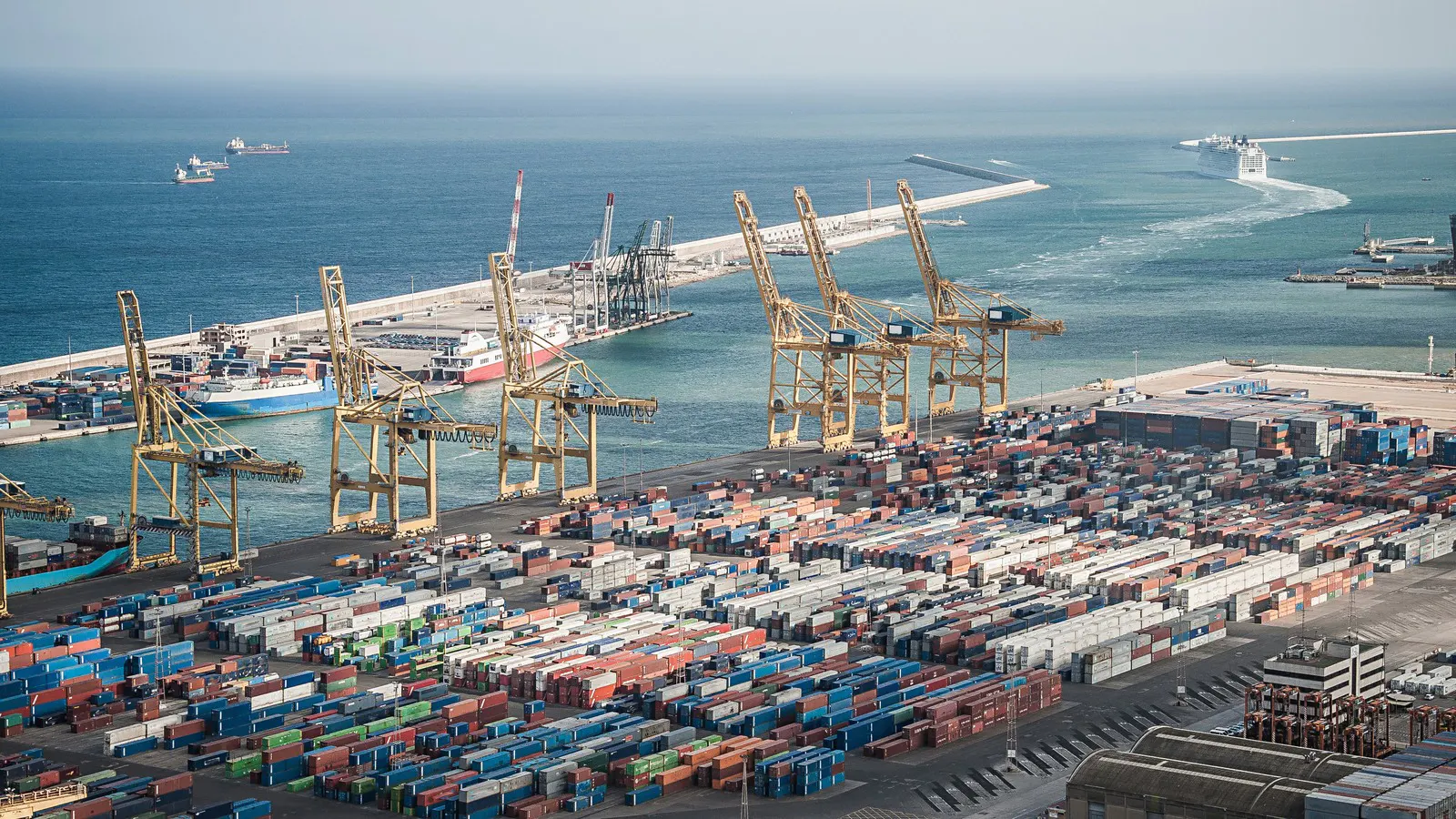
Syrian authorities have reached an agreement providing for a reduced and limited Russian presence at the naval facility at Tartous, formalising a diminution of the arrangement that gave Russia its only warm-water naval base on the Mediterranean. The understanding follows the transfer of control over a large commercial berth at the same port earlier this month.
Tartous mattered to Russia out of all proportion to its size. It provided the only Mediterranean facility where Russian warships could resupply, repair and rotate without transiting back through the Turkish straits, which are controlled under an international convention that restricts naval passage in wartime. Without it, sustaining a naval presence in the Mediterranean requires a supply line running from the Baltic or the Arctic, which is long, expensive and vulnerable.
The reduction is therefore a material change in Russian naval reach rather than a symbolic adjustment. A limited presence permits port visits and some logistics but does not support the maintenance and rotation that a standing deployment requires. Ships that would previously have remained on station for months must now either operate with reduced availability or return home for work that used to be done locally.
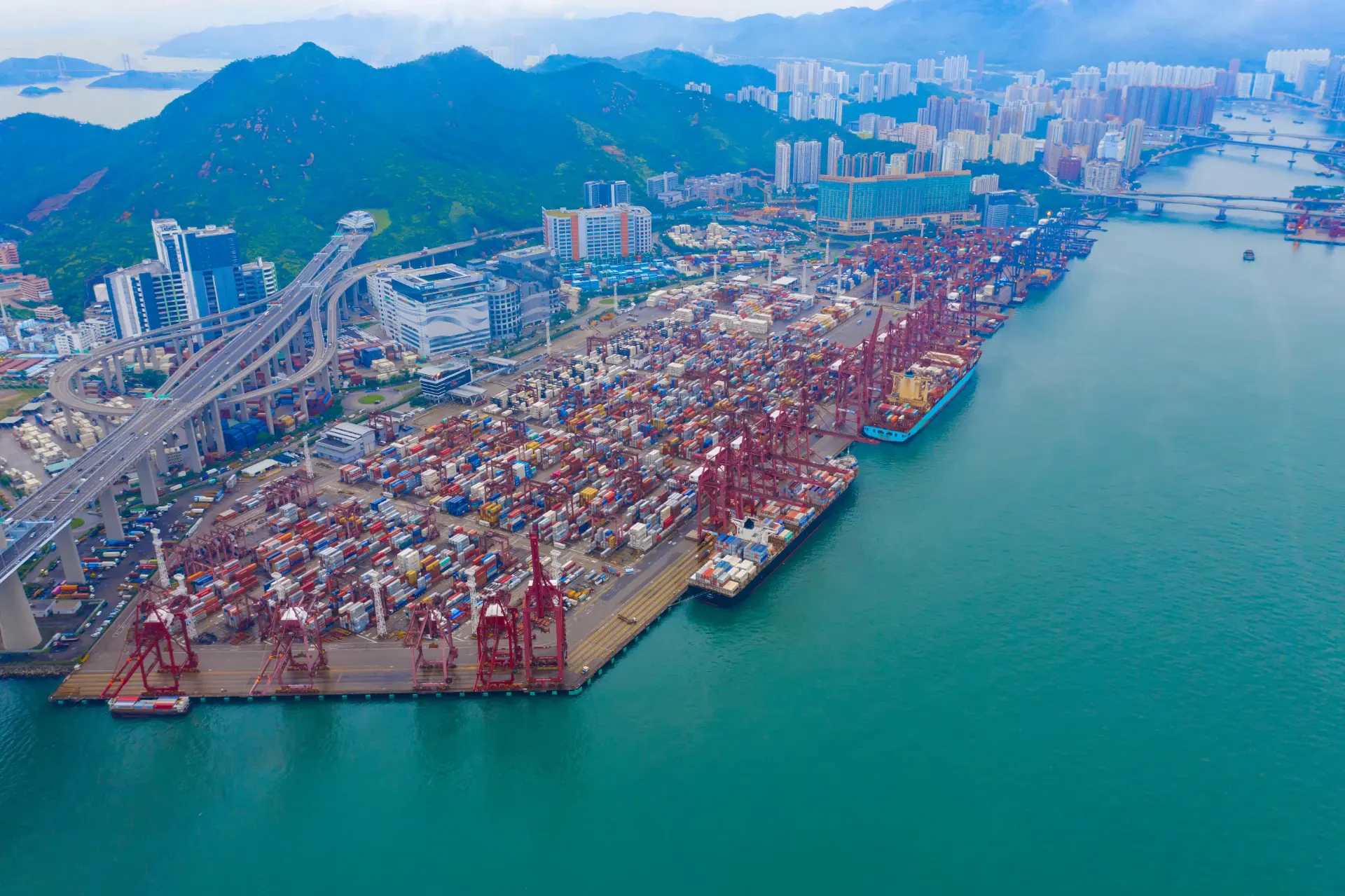
For Syria the calculation is about sovereignty and about money. A port facility occupied by a foreign navy on favourable terms generates little revenue and constrains commercial development, while the same berths handling containers and general cargo under a commercial concession generate both. The earlier transfer of a large berth to commercial control and this reduction in naval presence point in the same direction.
What happens next is the open question, and it is one the whole eastern Mediterranean is watching. A reduced presence is easier to reverse than an eviction, and it leaves both parties room to renegotiate as circumstances change. But the trend since the change of government in Damascus has been consistently towards less Russian access rather than more, and each incremental step makes the next one easier to take. Navies that depend on the goodwill of a host government discover, eventually, what that goodwill was actually worth. The practical consequence for merchant shipping in the eastern Mediterranean is a quieter sea. Fewer warships on station means fewer exercise areas, fewer restricted zones and less of the electronic interference that has complicated navigation in the region, which is a modest benefit but a real one.