Suez Canal Transits Rise 40% and Dollar Revenues Jump 50%
Traffic is back to 14,000-15,000 ships a year against 26,000 before the crisis, with Maersk among the returnees
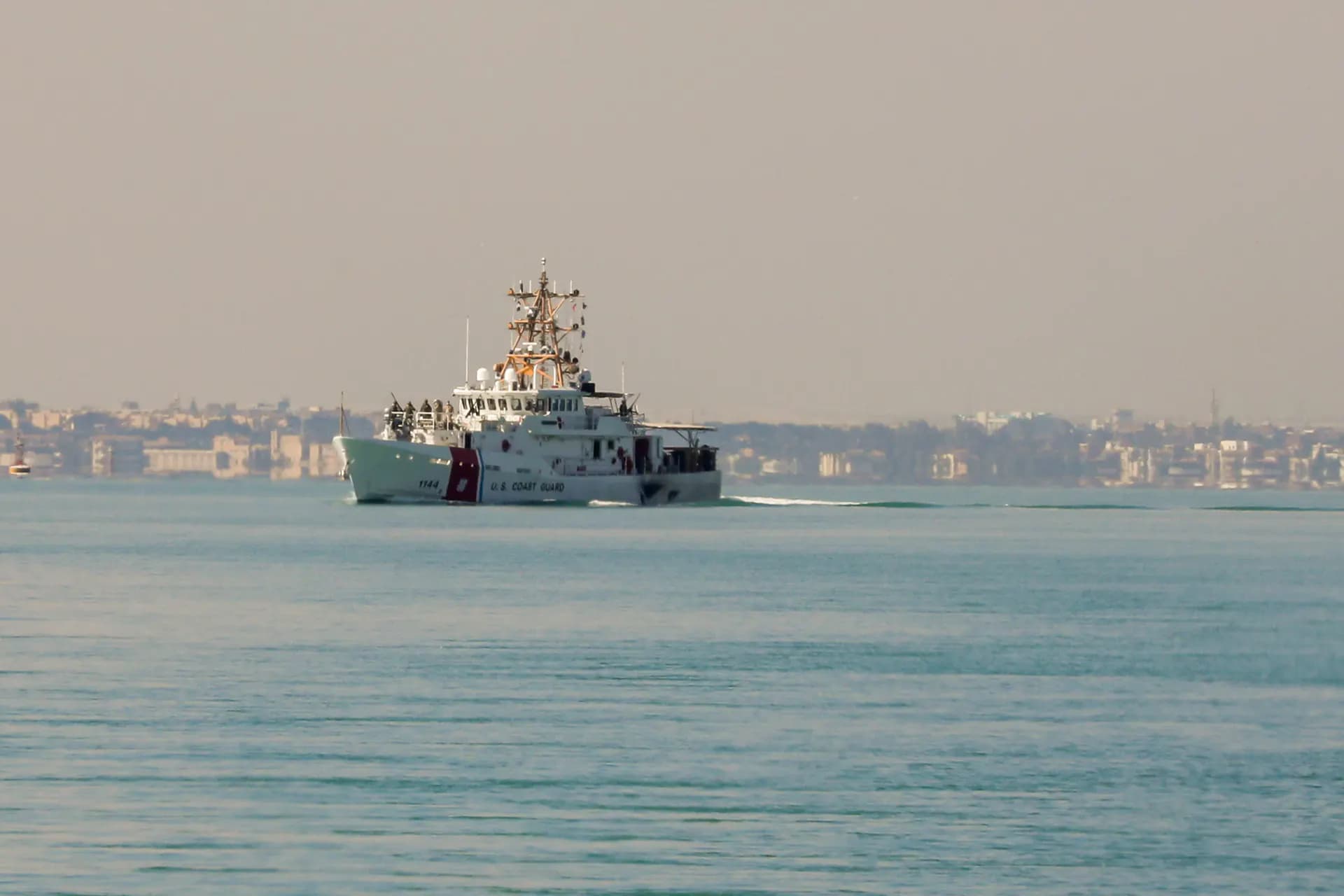
Traffic through the Suez Canal is recovering, with the number of transiting vessels up 40% and dollar revenues up 50% in the second half of this year, according to figures given by Suez Canal Authority chairman Osama Rabie. The authority publishes its own navigation statistics alongside those remarks.
The recovery is real but partial. The canal currently handles between 14,000 and 15,000 vessels, against around 26,000 in 2023, before Red Sea security disrupted the route. Rabie expects revenues of $5.8 billion to $6 billion by the end of December 2026, against approximately $4.1 billion in the corresponding period last year. Growth in the final quarter of fiscal year 2025/26 ran at 33.8% year on year, while the full fiscal year came in at 7.23%.
The difference between those two numbers is the shape of the recovery: almost all of it has happened recently.
What is bringing ships back is the return of the lines that left. Rabie singled out Maersk, whose fleet size and container volumes make its routing decision material to the canal's arithmetic on its own. Cost still argues the other way for some: elevated war-risk and hull insurance premiums for Red Sea passage keep part of the fleet on the longer Cape of Good Hope routing, where the extra bunkers and days are a known quantity rather than a variable premium.
The canal has also picked up traffic it did not plan for. Disruption around the Strait of Hormuz has made Suez the alternative for cargo moving to markets north of the canal, and changes in crude and cargo routings have pushed more shipments between Europe, Saudi Arabia and other Gulf states through the waterway rather than through the strait. Before the latest disruption, vessels linked to Hormuz accounted for about 8% of total arrivals at the canal, against 49% associated with Bab el-Mandeb. That Hormuz-linked share has since risen from roughly 8% to 12%, a gain of three to four percentage points.
The authority's operating posture has been to hold capacity rather than trim it. Rabie said he had previously proposed reducing certain services in response to the fall in traffic, and that the proposal was rejected, with President Abdel Fattah El-Sisi directing the authority to continue developing the waterway despite two years of financial losses. Every transiting vessel is to receive the full service set, and the canal is to remain prepared for a return to normal volumes.
That is a bet on the shape of the recovery rather than its speed. A canal that thins its pilotage, towage and convoy capability during a downturn cannot absorb a rapid return of the lines that left, and the cost of holding the capability is smaller than the cost of not having it when the ships come back.
This story is part of the Maritime Briefing of 10 September 2026.