Strikes On Danube Ports Push Black Sea Grain Trade Further Into The Firing Line
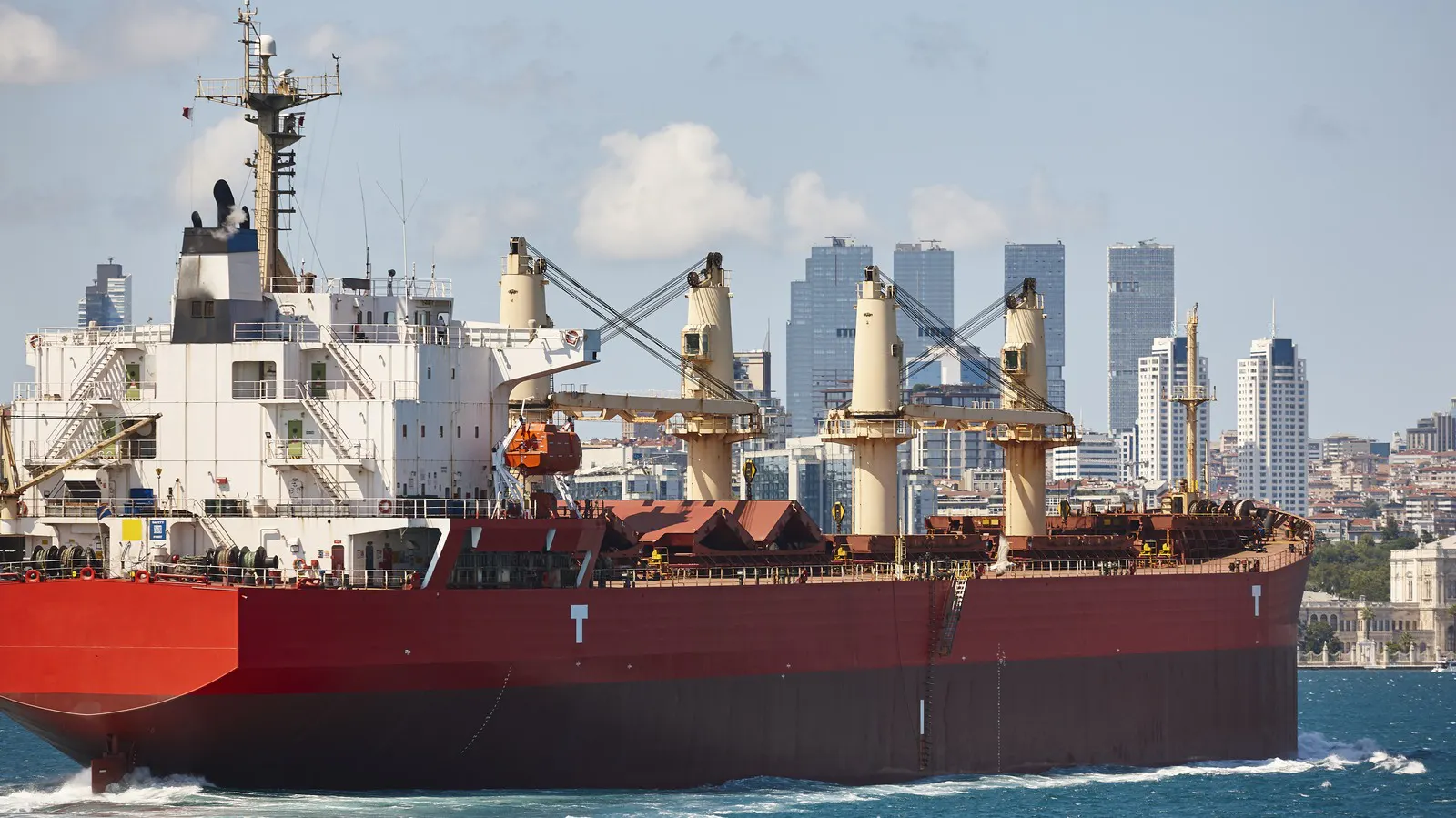
Russia and Ukraine have exchanged some of the heaviest attacks on each other's maritime infrastructure of the war, drawing the Black Sea grain trade deeper into the conflict. Russian forces struck the area around Ukraine's largest Danube port overnight, damaging port infrastructure and starting a fire, in an attack that followed barely a day after a significant Ukrainian strike on Russian naval facilities.
The Danube ports have carried a disproportionate share of Ukrainian agricultural exports since the start of the war, precisely because they were considered less exposed than the deepwater terminals further east. Cargo moves down the river on barges to be transferred to seagoing vessels, or sails directly in small coasters, and the proximity of the Romanian bank has provided a measure of protection that the open Black Sea coast does not. Striking that infrastructure removes the safest remaining route.
The commercial effect runs through insurance and crewing rather than through physical destruction. A port that has been hit becomes materially more expensive to call at, as war risk premiums rise and manning agencies become reluctant to place crews on ships routed there. Grain is a low-margin, high-volume trade, and additional costs of a few dollars a tonne are sufficient to make a cargo uneconomic. Tonnage does not need to be sunk for a route to close; it only needs to become unaffordable.
The exchange of strikes on maritime infrastructure represents an escalation in kind rather than degree. Attacks on naval assets are a conventional feature of the conflict. Sustained attacks on commercial port facilities, on the vessels calling at them and on the grain terminals that serve third-country buyers extend the war to a trade in which neither belligerent is the principal customer. The buyers are importing nations in North Africa, the Middle East and South Asia with limited alternatives and thin margins for price increases.
What has kept the trade running through previous escalations is that both sides have an interest in it continuing, one as an exporter and the other as a party sensitive to the diplomatic cost of being blamed for food price rises. That restraint has narrowed as the war has ground on. Each round of strikes tests how much cost the market will absorb before shipowners simply decline the business, and the answer has moved steadily against the trade.