Steering Failure Grounds Container Ship At Chittagong Channel Entrance
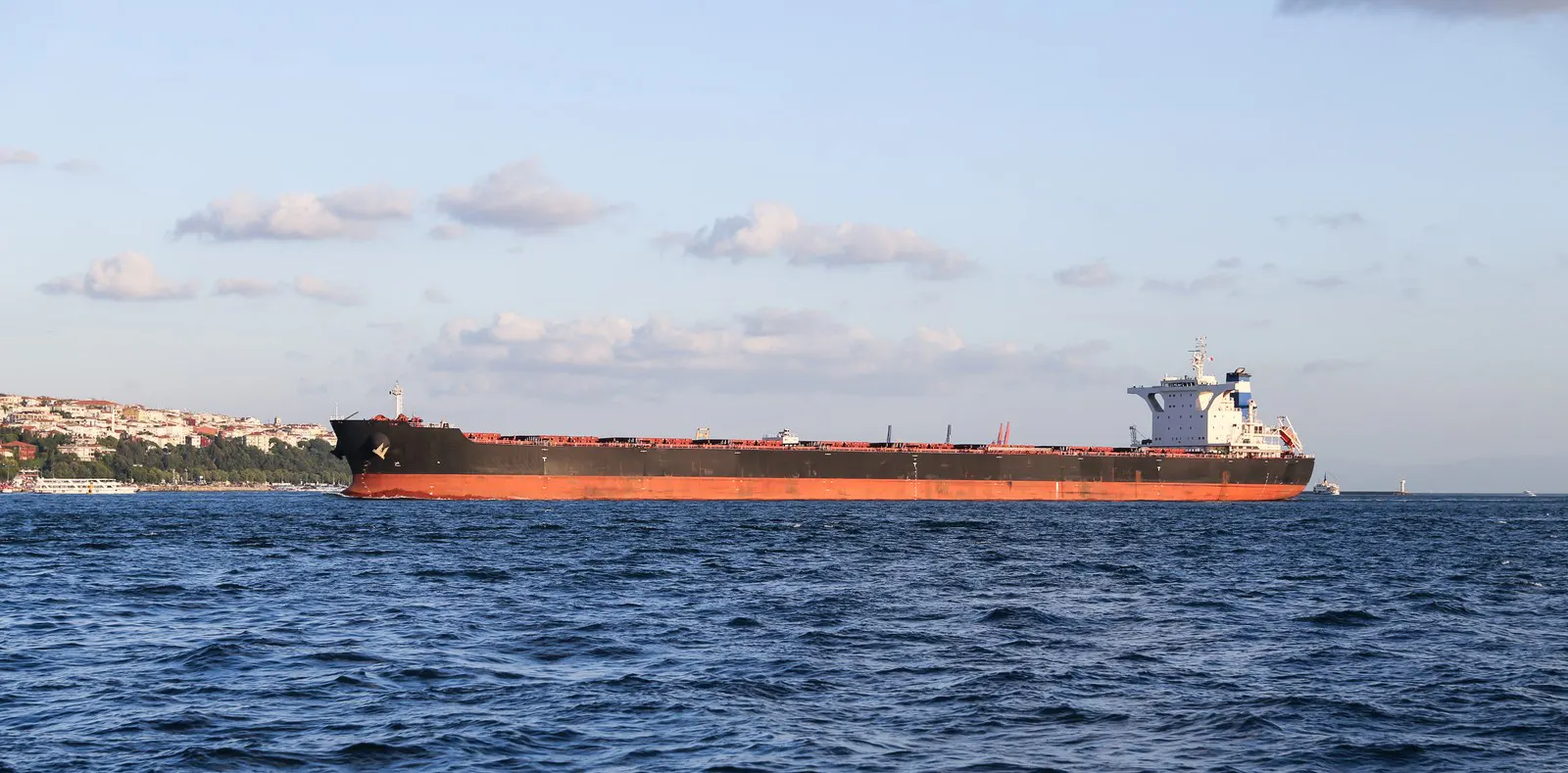
A Malta-flagged container ship grounded at the entrance to the Karnaphuli river at Chittagong after a steering gear failure caused her to strike a channel buoy, briefly complicating access to Bangladesh's principal port before she was refloated the same day. The CNC Uranus was inbound from Shekou with 1,282 containers and twenty-four crew when the failure occurred at around 14:15 local time on 3 August.
The loss of steering caused the vessel to make contact with the red buoy marking the channel entrance before running aground on the adjacent shallows. No injuries were reported, there was no pollution, and no cargo damage was recorded. Bangladesh Navy and coast guard units assisted in the response, and the ship was refloated at around 19:00 the same evening and moved to Bravo Anchorage for inspection. Port operations continued normally throughout.
The sequence matters for how the incident is understood. An account that leads with the buoy strike implies a navigational error; the primary cause was a machinery failure that removed the crew's ability to control the vessel's heading in a narrow, current-affected approach. Once steering is lost in that stretch of water, the outcome is largely determined by geometry and tide rather than by anything the bridge team can do, and a five-hour grounding with no damage represents a relatively benign result.
Chittagong handles the overwhelming majority of Bangladesh's container trade and is served by a river approach with restricted depth and width. It is the kind of port where a single disabled ship in the wrong place can halt traffic for far longer than the incident itself lasts, and where the margin between a manageable grounding and a channel blockage is measured in tens of metres. The port's ability to keep operating while the casualty was dealt with reflects both the position in which the vessel came to rest and the speed of the refloating.
Feeder ships of this size are the connective tissue of the region's container trade, moving boxes between the Bangladeshi market and transhipment hubs in Southeast Asia and the Gulf. They are typically older than the deep-sea tonnage they feed and operate on tight schedules with limited maintenance windows, which makes steering and propulsion failures a recurring concern rather than an unusual one. The inspection at anchorage will determine whether this was a component failure or something requiring more attention.