SLB Takes Reservoir Role on Norway's Havstjerne Carbon Storage Project
Concept and FEED scope covering storage reservoir, injection wells and subsea system
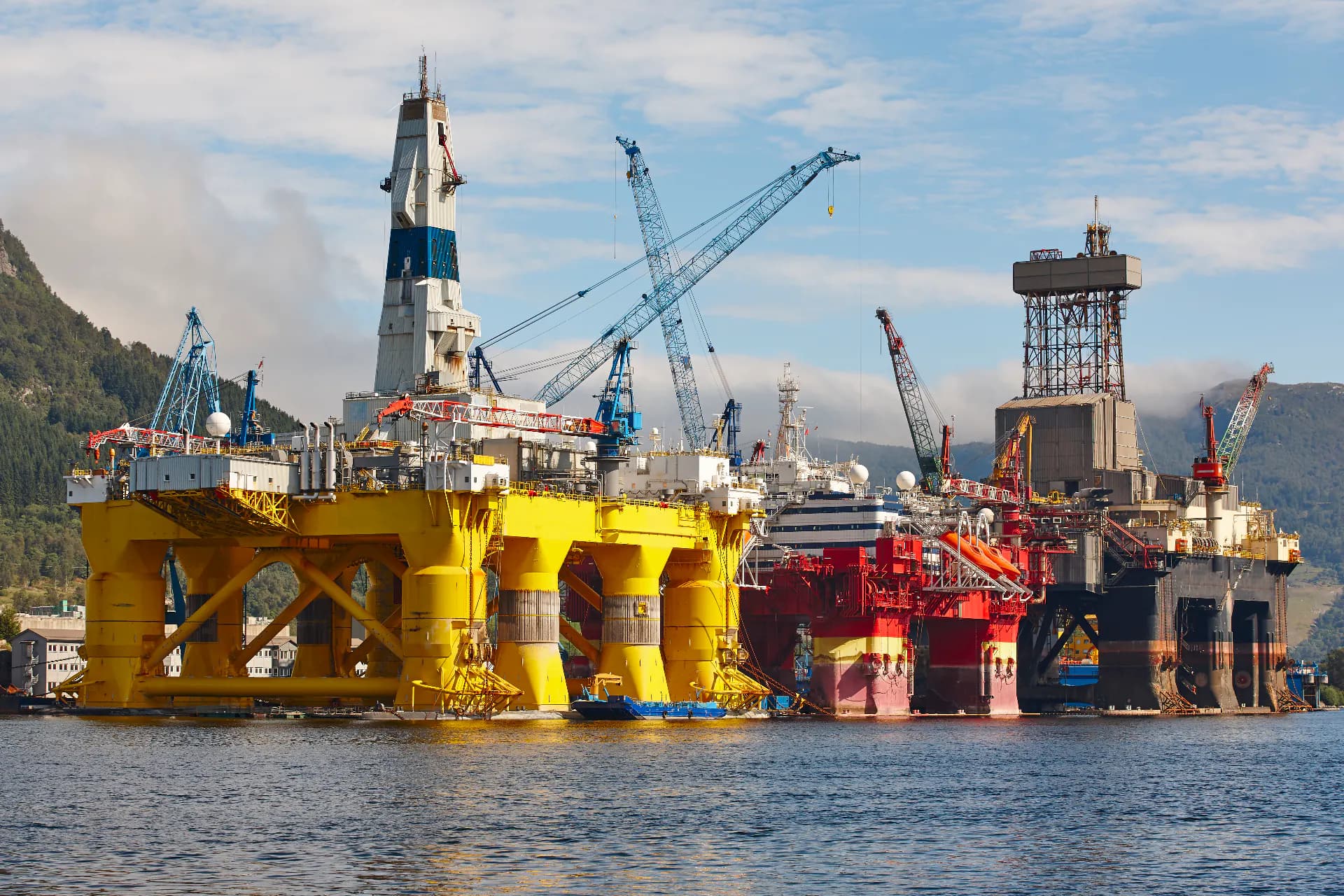
Energy technology company SLB has been selected as strategic reservoir partner for the Havstjerne carbon storage project in the Norwegian North Sea, providing technology and engineering services for the concept and front-end engineering and design phases.
Havstjerne is a large-scale offshore carbon storage development intended to serve industrial emitters across Europe. It is operated by Harbour Energy in consortium with Stella Maris CCS, a Yinson Production company.
SLB will coordinate an integrated project scope connecting analysis of the underground storage reservoir with injection well design, subsea infrastructure and plans for monitoring stored carbon dioxide, as the partnership develops the technical, cost and schedule basis ahead of a final investment decision. The scope covers concept and FEED studies, subsurface and reservoir maturation, wells and the subsea injection system, delivered through collaboration between SLB and its OneSubsea joint venture.
Bringing reservoir, wells and subsea under a single coordinating partner addresses the structural problem with offshore carbon storage projects: the storage reservoir determines injection rates, injection rates determine well count and subsea layout, and subsea layout determines the cost that the reservoir has to justify. Splitting those workstreams across separate contractors has historically produced concept designs that do not survive contact with the FEED numbers.
Havstjerne has selected a low-pressure floating storage and injection concept, chosen for system reliability, low cost and commercial flexibility. A floating solution avoids the fixed platform capital that has weighed on comparable schemes, and gives the project the option to phase capacity as emitter volumes are contracted.
The project received €225m from the EU Innovation Fund in 2025. For shipping, the relevance is downstream: European carbon capture schemes of this type depend on a fleet of liquefied CO2 carriers, a variant of the LNG carrier type, to move captured volumes from industrial sites to the injection point, and the storage side of the chain reaching a final investment decision is what underwrites orders for that tonnage.