Singaporean Operator Wins Subsea Diving Work In The Arabian Gulf
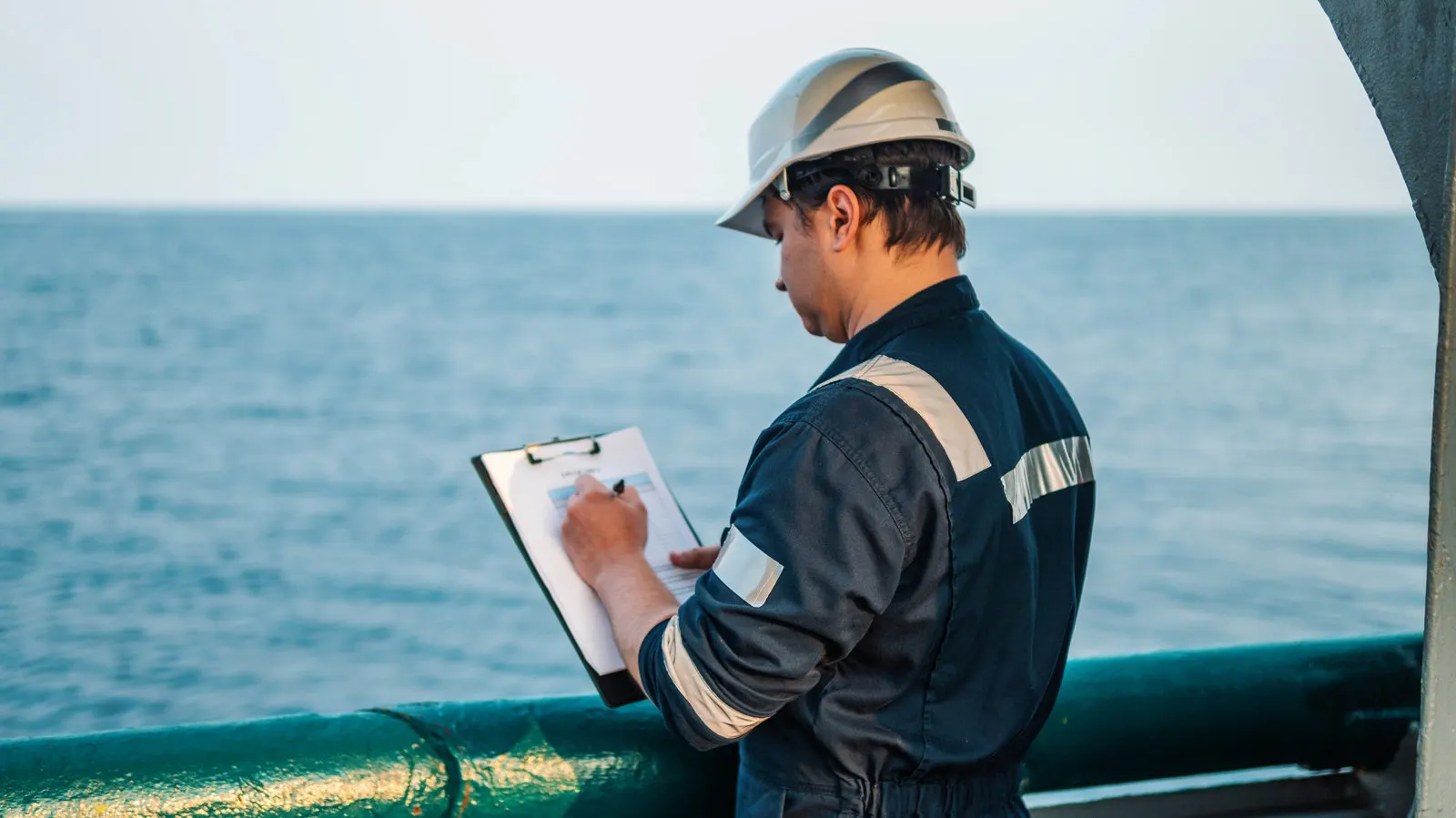
A Singapore-based offshore marine services company has secured a lump-sum contract for subsea diving and installation work in the Arabian Gulf, with offshore execution scheduled for the third quarter. The award comes from the regional arm of a major international subsea contractor and continues a run of work that has kept the operator's specialised tonnage employed through a period of expanding regional activity.
The company will deploy a dynamically positioned multi-purpose offshore construction vessel equipped with an integrated saturation and air diving system. That combination allows a single unit to support both shallow interventions using surface-supplied air and deeper saturation work where divers live under pressure for extended periods, avoiding the cost and scheduling complexity of mobilising separate vessels for different depth ranges on the same campaign.
In a statement accompanying the award, the operator said the contract underlined its partners' continued confidence in its technical capability, operational track record and safety performance as regional offshore energy demand expands. The framing is standard, but the underlying point is not: diving contracts are awarded on the basis of incident history to a degree unusual even in offshore work, and a poor safety record effectively removes a contractor from bidder lists.
The award follows a long-term diving services contract in the same region announced at the end of July with an undisclosed client, for which a dedicated diving support vessel will be used. Three further vessels in the fleet have also recently secured offshore contracts after completing a series of construction support projects described as extending beyond their traditional working scope, suggesting the company has been able to redeploy units into higher-value work rather than competing purely on day rates.
Demand for subsea intervention in the Gulf has been supported by sustained investment in offshore oil and gas infrastructure across the region, much of it involving brownfield tie-ins, pipeline repairs and platform modifications that require divers rather than remotely operated vehicles alone. That work is less sensitive to short-term oil price movements than exploration drilling, since it addresses existing production assets that must be maintained regardless of the price environment, and it has provided a relatively stable base of activity for construction and diving contractors while other offshore segments have fluctuated.