Singapore To Require All New Harbour Craft To Be Electric From 2030
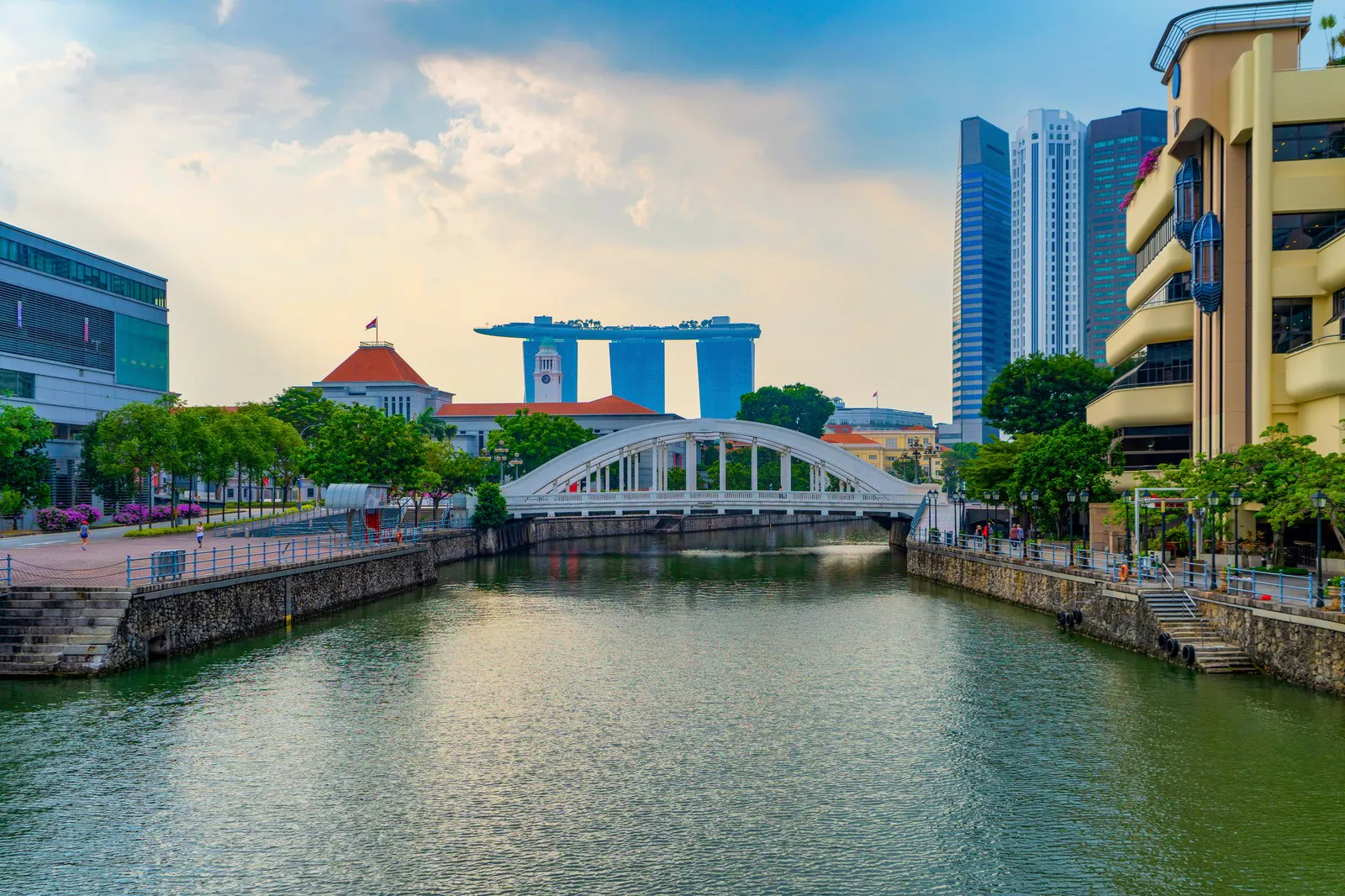
All new harbour craft entering service in the Port of Singapore from 2030 must be fully electric, capable of running on pure biodiesel, or compatible with net-zero fuels such as hydrogen, under a requirement that sits alongside a target of net-zero emissions from the harbour craft, pleasure craft and tug sectors by 2050. New research has now assessed how far the existing fleet can meet the fuel option.
A maritime research centre at a Singapore university has concluded that the port's existing large harbour craft can switch to pure biodiesel without major operational disruption, provided fuel handling, storage and additive requirements are met. Laboratory testing and sea trials involving a tug and a bunker tanker found stable engine performance across two hundred hours of operation, with no significant power loss, no abnormal fuel consumption trends and no critical disruptions.
The emissions picture was mixed in the way that biodiesel results usually are. Brake thermal efficiency was comparable to conventional diesel, and carbon monoxide and particulate emissions were lower, but the tests recorded a modest increase in nitrogen oxides. Antioxidant additives improved oxidation stability and reduced the risk of degradation during storage, which is the practical constraint on biodiesel in a tropical climate where fuel may sit in a tank for weeks.
The centre was careful about its conclusion, describing the results as demonstrating qualified readiness rather than unconditional compatibility. That phrasing is doing real work. A fuel that performs well in a monitored trial with controlled storage and specified additives is not the same as a fuel that performs well across a fleet of several hundred craft operated by companies of varying sophistication, and the difference between those two situations is where most alternative fuel programmes encounter difficulty.
The work follows a separate programme in which a sixteen-metre craft completed a thousand-hour operational trial on pure biodiesel after entering service in July last year, gathering data on engine condition, fuel and lubricating oil performance, efficiency and emissions, with a public report expected later this year. Harbour craft are an unusually good proving ground for fuel transition because they operate on short predictable runs, return to the same base daily and are owned in a concentrated market that a port authority can regulate directly. Very little about that situation transfers to deep-sea shipping, which is why the sector will not learn as much from Singapore's programme as it might hope.