Singapore Issues Eight New LNG Bunkering Licences From September
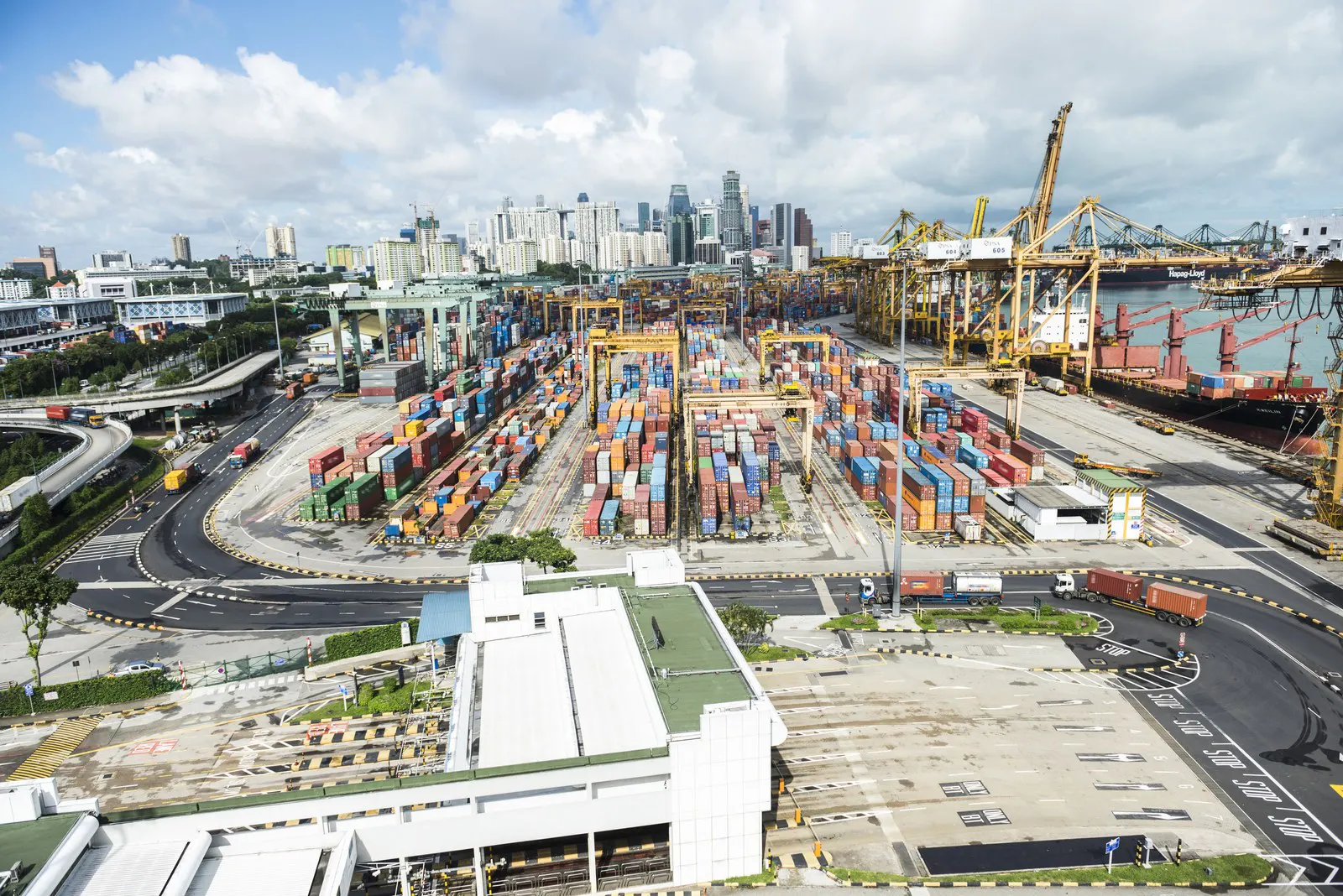
The Maritime and Port Authority of Singapore will issue eight new licences to supply liquefied natural gas as a marine fuel from 1 September 2026, formalising the supply base at the world's largest bunkering port and concluding a call for applications launched in January. The licences will run for five years, to 31 August 2031, subject to licensees continuing to meet the relevant conditions, and each holder must provide end-to-end services covering fuel supply, storage, cargo transfer and delivery to vessels.
The eight successful applicants are Aramco Trading Singapore, Equatorial Marine Fuel Management Services, ExxonMobil Asia Pacific, PetroChina International Singapore, Shell Eastern Trading, Sinopec Fuel Oil Singapore, the joint venture between TotalEnergies Gas and Power Asia and Sembcorp Fuels Singapore, and Vitol Bunkers. The list combines integrated oil majors, national oil company trading arms and independent bunker suppliers, which suggests the authority was aiming for depth of supply rather than a small number of privileged positions.
Applicants were assessed on supply capabilities, commercial plans, operational experience and safety standards. The evaluation also considered each company's ability to monitor and mitigate methane slip and to support the supply of methane-based alternatives with lower lifecycle greenhouse gas emissions, including liquefied bio-methane and e-methane. That second criterion is the more interesting one. Methane slip has become the principal technical objection to LNG as a transition fuel, since unburned methane released through the engine erodes much of the carbon advantage over conventional fuel oil, and building measurement obligations into the licence conditions gives the port authority visibility that individual charterers cannot obtain on their own.
Alongside the licensing round, the port authority and Enterprise Singapore will upgrade the existing technical reference for LNG bunkering into a full Singapore Standard during August 2026, working through the Singapore Standards Council. The new standard will strengthen requirements covering safety, bunkering procedures, custody transfer and crew competencies, and is intended to serve as a common reference for the industry.
For owners the significance is practical. LNG dual-fuel tonnage has been ordered in volume over the past five years, and the constraint on operating those ships on gas has been the reliability and geographic coverage of supply rather than the technology aboard. Guaranteeing eight licensed suppliers at Singapore for five years removes a meaningful piece of that uncertainty on the world's busiest bunkering call, and the parallel commitment to bio-methane and e-methane supply keeps a pathway open for owners who need to demonstrate lifecycle reductions rather than a switch of fuel alone.