Singapore and Brazil sign green and digital shipping corridor agreement
The corridor pairs Brazilian renewable feedstock with the world's largest bunkering port
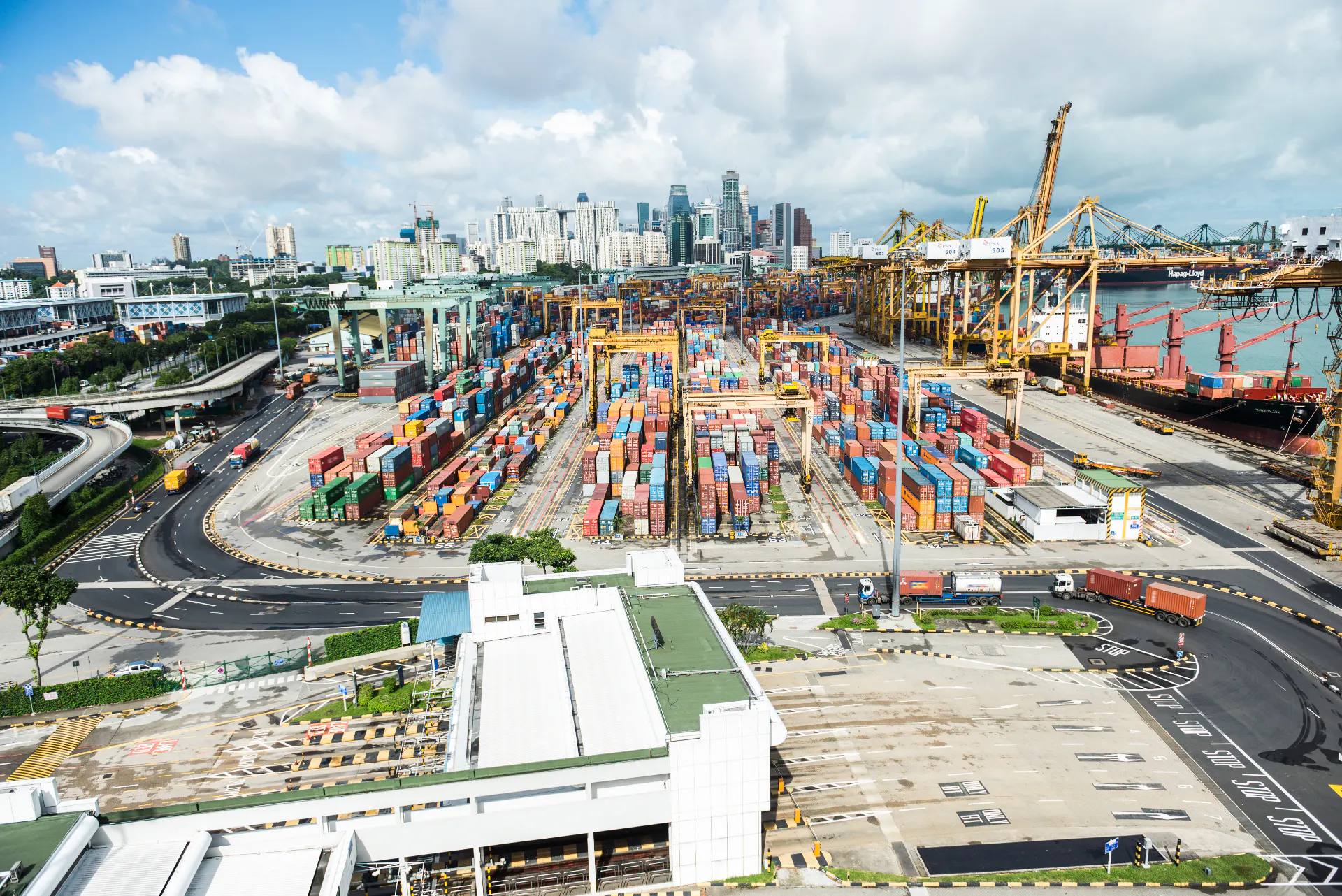
Singapore and Brazil have signed a memorandum of understanding to establish a Green and Digital Shipping Corridor focused on alternative marine fuels and maritime digitalisation.
The agreement was signed on 28 August 2026 by Singapore's Minister for Transport Jeffrey Siow and Brazil's Minister of Ports and Airports Tomé Franca. It brings together Brazil's renewable energy resources and production capabilities with Singapore's position as the world's largest bunkering port, with the aim of supporting supply chains for zero- and near-zero greenhouse gas emission marine fuels.
The pairing follows the logic that has shaped most corridor agreements to date. Production capacity for alternative fuels tends to sit where renewable power and biomass feedstock are cheap, while demand sits where ships already stop to refuel. Brazil holds the first, Singapore the second, and a corridor is the instrument through which the two ends are matched before either side commits capital.
Beyond fuels, the two countries will explore digital information exchanges intended to improve maritime and port operations. They also plan to work with industry on the research, development and adoption of emerging maritime technologies and solutions, with the wider partnership covering maritime decarbonisation, digitalisation and more efficient international shipping.
The Maritime and Port Authority of Singapore was established in 1996 as the city-state's maritime and port authority. Its responsibilities include port regulation and planning, representing Singapore internationally on maritime matters, and supporting maritime safety, security, environmental protection, digitalisation, decarbonisation, port operations and maritime workforce development.
Corridor agreements of this kind do not by themselves move fuel. They establish the working relationship, the technical exchange and the political cover under which offtake arrangements can later be negotiated, which is why the substance of any such pact tends to emerge in the years after signature rather than at it.