Shipping Corporation of India opens bidding for six LNG dual-fuel boxships
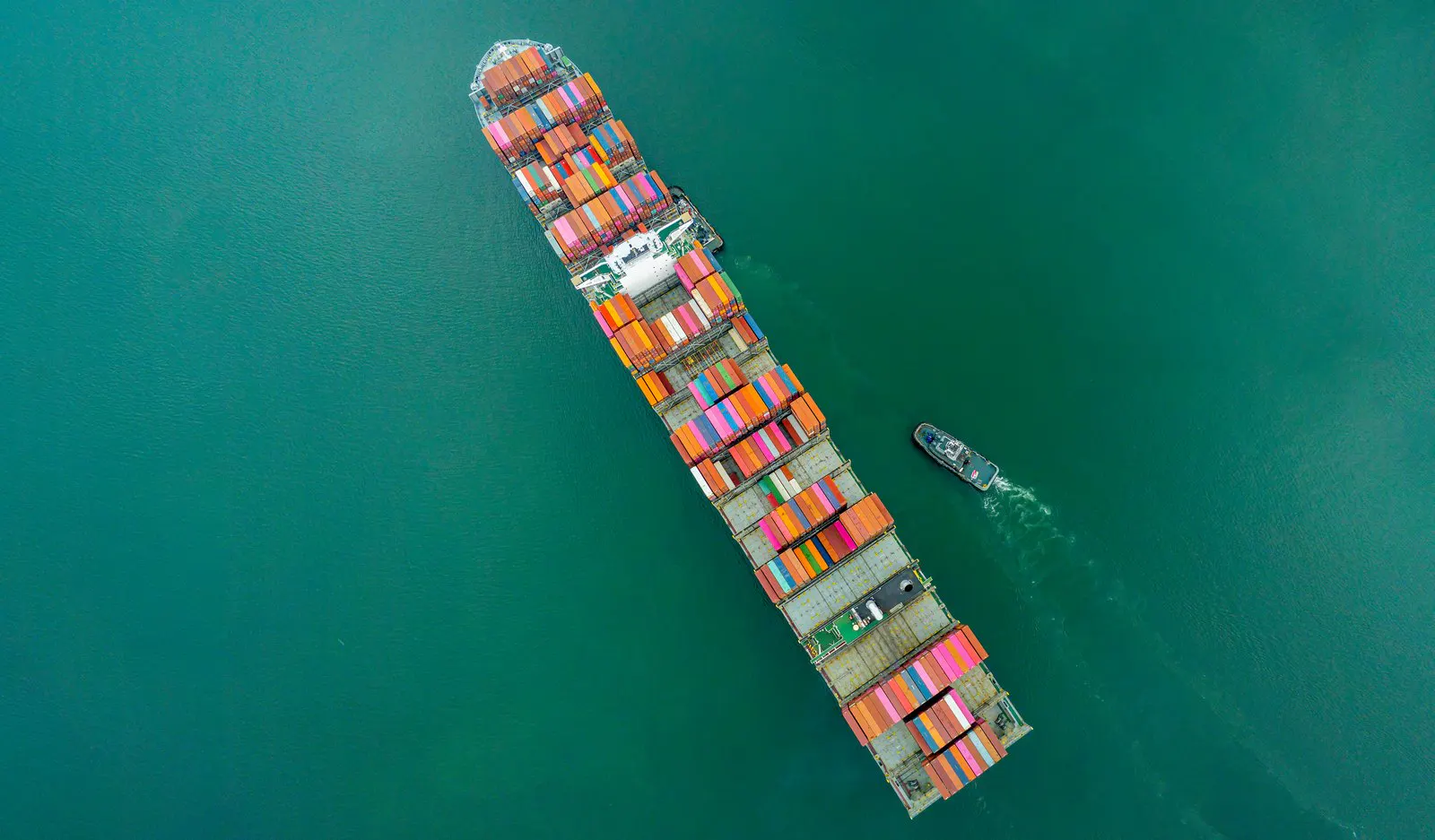
Shipping Corporation of India has launched a global tender for up to six 8,000 teu container ships in a programme estimated at 720 million dollars, the largest container ship project in the company's history and a central element of New Delhi's effort to rebuild a national liner fleet. The tender covers two firm vessels with options for a further four. It was released on 31 July, bids are due by 31 August and opening is scheduled for the following day.
The specification is deliberately forward-looking. The ships are to be around 330 metres long, powered by liquefied natural gas dual-fuel engines meeting IMO Tier III nitrogen oxide limits with marine gas oil or very low sulphur fuel oil as pilot fuel, and compatible with B100 biofuel. Service speed is set at 17 knots with a design speed of 19, range at a minimum of 20,000 nautical miles, and reefer capacity at 1,000 slots. Double hull construction, ballast water treatment, LNG bunkering compatibility, energy-saving devices and cyber-secure systems are all specified, along with model testing, risk assessments and dock and sea trials before delivery.
The bidding rules are where the industrial policy sits. Indian yards hold a right of first refusal, allowing the lowest qualified domestic bidder to match the lowest foreign bid, with the option passing down the domestic ranking if declined. Yards without cellular container ship experience may partner with a foreign builder that has delivered at least two cellular ships of 5,000 teu or more within the past decade, still in service, and has dual-fuel design experience. Construction must take place at the successful bidder's own facility, with no subcontracting permitted.
Ownership may rest with a consortium rather than the shipping line alone. The vessels are expected to sit with a grouping that brings together the state shipping company, the container logistics operator, and the port authorities at Jawaharlal Nehru, Chennai and V.O. Chidambaranar, alongside a state maritime financing vehicle. Spreading the equity across cargo interests and port operators is an attempt to underwrite utilisation as well as capital cost.
A parallel tender covers six 1,700 teu methanol dual-fuel feeders at an estimated 360 million dollars, so the two programmes together represent a substantial share of the government's stated ambition for new vessel commitments this year. Whether domestic yards can absorb work of this complexity is the open question. India has capacity in terms of facilities but very little recent experience of building large cellular tonnage, which is precisely why the foreign-partner clause exists.